

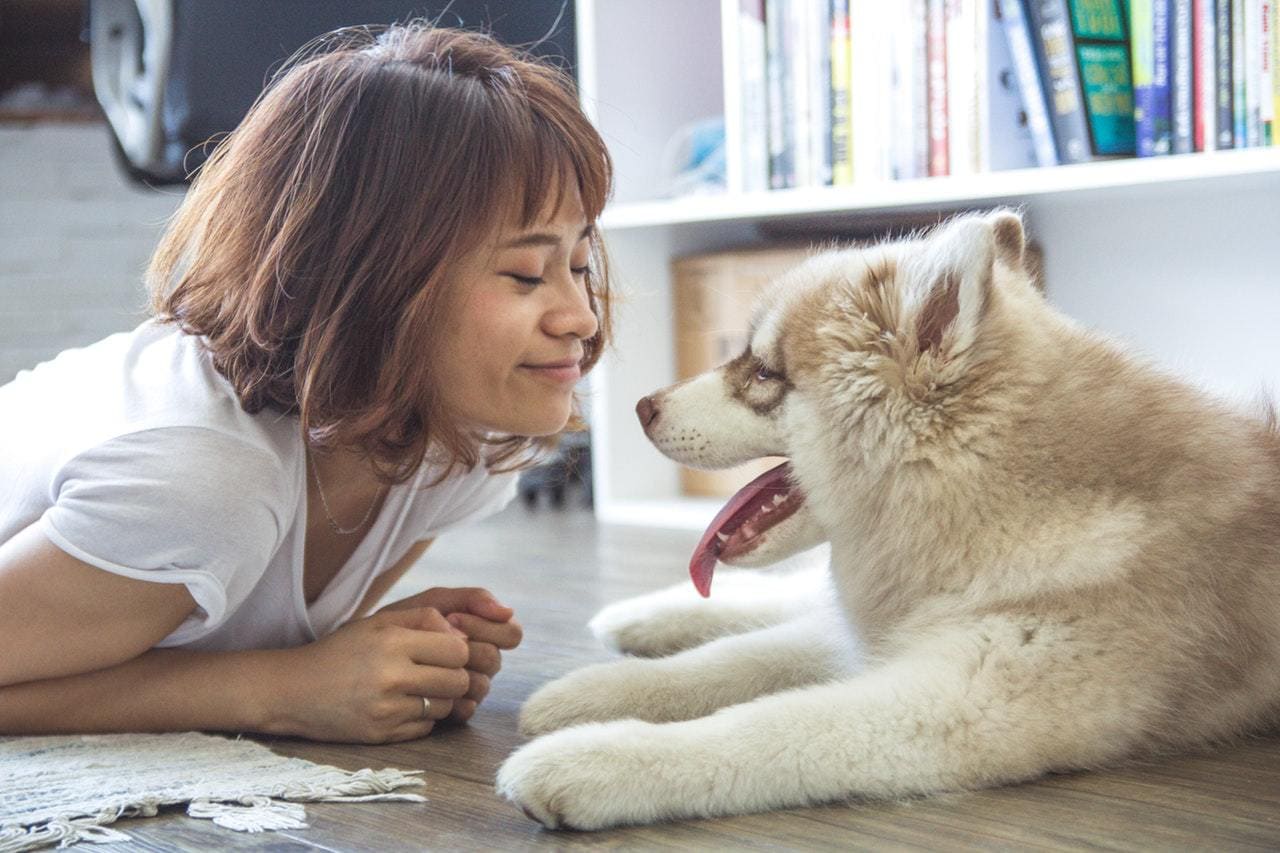
Transforming your dog’s behavior can seem like a daunting task, but with the right approach and consistency, you can achieve paw-some results.
Whether you’re dealing with disobedience or aggression, or just want to improve your furry friend’s manners, these seven simple steps will guide you through the process.
By understanding your dog’s needs and using positive reinforcement techniques, you can foster a stronger bond and create a well-behaved canine companion.
1. Seek Professional Help When Needed

If you’re struggling to transform your dog’s behavior on your own, don’t hesitate to seek professional help. A certified dog trainer or behaviorist can provide guidance tailored to your dog’s specific needs and help you overcome any obstacles you may encounter.
For dog training, you can check them out and explore various resources and courses tailored to your furry friend’s needs. There’s no shame in asking for help and seeking assistance can lead to faster and more effective results.
2. Understand Your Dog’s Needs
Before you can begin transforming your dog’s behavior, it’s essential to understand their needs. Every dog is unique, with their personality, breed traits, and past experiences.
Take the time to observe your dog’s behavior and learn about their breed characteristics. Understanding what motivates your dog, whether it’s food, praise, or play, will help you tailor your training approach for maximum effectiveness.
Physical Exercise
Dogs require regular physical exercise to stay healthy and happy. Depending on their breed and age, they may need different levels of activity.
High-energy breeds like Border Collies or Huskies may need more intense exercise, such as running or hiking, while smaller breeds like Chihuahuas may be content with shorter walks.
Providing ample opportunities for physical activity will help prevent boredom and reduce the likelihood of destructive behaviors.
Mental Stimulation
In addition to physical exercise, dogs also need mental stimulation to keep their minds sharp. Interactive toys, puzzle feeders, and training sessions can provide mental challenges that keep your dog engaged and prevent boredom.
Teaching new tricks or practicing obedience commands not only provides mental stimulation but also strengthens the bond between you and your dog. Rotate toys and activities regularly to keep things interesting and prevent your dog from becoming bored with the same routines.
Socialization
Socialization is crucial for dogs to develop appropriate behavior around other animals and people. Exposing your dog to different environments, sounds, and experiences from a young age will help them become confident and well-adjusted.
Arrange playdates with other friendly dogs, take your dog to dog-friendly parks, and expose them to various sights and sounds in your neighborhood. Positive experiences during socialization will help prevent fear or aggression towards unfamiliar situations or individuals.
3. Establish Clear Rules and Boundaries

Consistency is key when it comes to transforming your dog’s behavior. Establish clear rules and boundaries from the beginning, and stick to them. Dogs thrive on routine and structure, so be firm but fair in enforcing rules such as no jumping on furniture or waiting patiently at mealtimes.
Consistency will help your dog understand what is expected of them and reinforce positive behaviors.
4. Use Positive Reinforcement Techniques
Positive reinforcement is one of the most effective ways to transform your dog’s behavior. Instead of focusing on punishment for bad behavior, reward your dog for good behavior with treats, praise, or playtime.
This will encourage them to repeat the desired behavior and strengthen the bond between you and your dog. Remember to be patient and consistent in your training efforts, as it may take time for your dog to learn new behaviors.
- Positive reinforcement is a powerful tool in transforming your dog’s behavior. When your dog exhibits a desired behavior, such as sitting calmly or walking beside you on a leash, immediately reward them with praise, treats, or a favorite toy. This positive association strengthens the likelihood of the behavior being repeated in the future.
- Remember to be specific with your praise, letting your dog know exactly what they did right. For example, instead of simply saying “good dog,” you can say “good sit” or “good job walking nicely.” This helps your dog understand which behaviors are being rewarded.
- Consistency is key when using positive reinforcement. Make sure everyone in your household is on board with the training methods and reinforces the same behaviors. Inconsistency can confuse your dog and hinder progress.
5. Address Problem Behaviors Promptly

Addressing problem behaviors promptly is crucial for preventing them from escalating and becoming ingrained habits. Whether it’s excessive barking, aggression towards other dogs, or destructive chewing, ignoring these behaviors will only make them more challenging to correct in the long run.
By addressing the issue head-on and implementing a plan to modify the behavior, you can nip it in the bud before it becomes a serious problem.
6. Provide Mental and Physical Stimulation
Provide your dog with plenty of mental and physical stimulation to keep them happy and engaged. Regular walks, interactive games, and toys that challenge their problem-solving skills are all excellent ways to provide mental stimulation.
Additionally, consider enrolling your dog in obedience classes or agility courses to keep their minds sharp and their bodies active. By engaging in activities together, you’ll not only help prevent boredom and destructive behaviors but also strengthen the bond between you and your furry companion.
7. Be Patient and Consistent
Transforming your dog’s behavior requires patience and consistency above all else. Dogs thrive on routine and repetition, so it’s crucial to maintain a consistent training schedule and approach. Remember that learning new behaviors takes time, and your dog may not grasp concepts immediately. Stay patient and continue to reinforce desired behaviors with positive reinforcement techniques.
Even when progress seems slow, remain consistent in your efforts, as inconsistency can confuse your dog and hinder their learning process.

Transforming your dog’s behavior may seem like a daunting task, but with patience, consistency, and the right approach, you can achieve paw-some results.
By understanding your dog’s needs, establishing clear rules and boundaries, and using positive reinforcement techniques, you can create a well-behaved canine companion and strengthen the bond between you and your furry friend.
Remember to address problem behaviors promptly, provide plenty of mental and physical stimulation, and seek professional help when needed.
Leave a Reply