


Roasting coffee leads to the development of distinct appreciable flavors which coffee drinkers seek. The manufacturing process creates several forms of waste starting from chaff through used coffee grounds into excessive packaging contents. Companies that handle wholesale coffee operations together with coffee roasters ignore their waste which results in damage to the environment. Businesses together with individual customers should explore upcycling coffee roasting waste because this enables reduced environmental impact while advancing sustainability throughout the industry.

People who like coffee along with other consumers make sustainability their priority. Various practical methods exist for recycling roasting byproducts instead of disposal. Various home-created materials alongside garden resources can reuse discarded items which generates waste reduction while advancing circular economic systems. The way coffee waste is managed creates a substantial effect on sustainability initiatives.
Using Coffee Chaff as a Natural Mulch
The thin flaky skin which roasting temperatures strip from coffee beans belongs to the category of coffee chaff. The natural substance known as chaff provides essential value to gardeners as a resource during horticultural practices. Mulch made from coffee chaff functions as moisture-retaining material together with weed-blocking agent and enhances soil ventilating capabilities. Coffee roasters who love gardening that seek eco-conscious mulching solutions should consider using this shiny and organic material because it offers lightweight durability along with biodegradability.

Users can easily implement coffee chaff mulch during gardening. Coffee chaff decomposes naturally while it enriches soil by adding organic matter and continues to provide essential nutrients to growing plants. Plant safety is ensured with chaff mulch because it excludes harmful synthetic chemicals which edible plants must avoid. Coffee roasting businesses along with amateur home enthusiasts, who buy wholesale coffee, both find it simple to collect and store chaff material for later garden use thereby minimizing waste production.
Transforming Coffee Grounds into Compost
The grounds of roasted coffee belong among the most adaptable byproducts produced through coffee manufacturing processes. Chemically they consist of high nitrogen content which means they enhance compost quality when added.The compost process becomes faster when coffee grounds are introduced to compost piles due to their balancing role with carbon-rich materials including dried leaves and paper. Correcting the soil quality leads to valuable advantages for plant development.

The structure of soil benefits from the addition of coffee grounds because they help the soil maintain more water within its structure. The capacity to retain moisture makes coffee grounds very useful for drying environments because soil loses water rapidly there. When people choose either domestic or industrial composting methods they protect essential nutrients from ending up at waste facilities by utilizing coffee grounds.
Using Coffee Byproducts to Deter Pests
Coffee roasting byproducts can also be effective in natural pest control. The compound content of used coffee grounds behaves as an insect repellent which keeps ants along with slugs and snails away. Plants gain protection from pesky insects through the application of coffee grounds which create a defensive boundary that prevents chemical pesticides from being necessary. The application of coffee byproducts represents an environmentally benign solution which guards garden crops.

The pest control benefits of coffee waste include its usage as an application for pets. Many people who keep pets grind their coffee slowly until it becomes dry and then use it to reduce smells that occur in pet sleeping areas. The proper application of coffee waste enables natural pest repellent functions that substitute synthetic chemicals while lowering dependency on dangerous chemicals.
Repurposing Coffee Grounds for Household Cleaning
Pest eliminators find value in coffee grounds because their rough nature enables them to work efficiently in household cleaning mixtures. Carefully used coffee grounds contain abrasive characteristics which work well for scrubbing both pots and pans together with kitchen surfaces. Eco-conscious households benefit from coffee grounds because they possess non-toxic properties while having the advantage of being completely biodegradable.

Coffee grounds have a dual purpose to scrape and destroy unpleasant smells. Open containers that contain coffee grounds find suitable placement inside refrigerators or shoes or garbage disposal units to neutralize offensive odors. The basic cleaning mixture creates a sustainable house atmosphere while minimizing discarded products.
Creating Natural Dyes from Coffee Waste
Upcycling coffee roasting byproducts includes their conversion into natural dye materials which offers an alternative dyeing solution. The brown colors that coffee grounds generate become suitable natural dyes which help stain fabric and paper as well as wood materials. The dyeing method proves beneficial to those who want natural and chemical-free alternatives for their dye solutions.
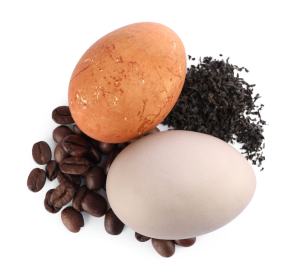
The application process for using coffee as a dye remains basic while needing small processing steps. Soaked fabric produces deep colors in brewed coffee but wooden surfaces achieve a natural aged appearance when they are brushed with water containing coffee. The innovative utilization of used coffee produces alternatives to artificial dyes that typically contain dangerous elements.
Making Coffee-based Beauty and Skin Care Products
Skincare products benefit from using coffee grounds because these materials offer effective exfoliation to the skin. Homemade coffee scrubs are made by combining used coffee grounds with either coconut oil or honey according to personal choice. This organic granular substance aids in dead cell elimination to produce soft rejuvenated skin. The antioxidant properties of coffee bring extra benefits to the skin when integrated into personal care that uses this ingredient.
Applications of coffee grounds extend beyond making scrubs since consumers prepare them into face masks and hair treatments. Different people apply coffee waste to enhance their hair color along with receiving benefits for their scalp health. The practice of converting waste coffee into skincare materials presents individuals with a budget-friendly solution that avoids synthetic chemical-based commercial beauty products.

The byproducts generated during coffee roasting possess practical use opportunities that do not require disposal. People and enterprises can minimize their impact on the environment by using straightforward upcycling procedures that convert coffee waste into usable items.
Complete sustainability is possible using reusable coffee byproducts which serve various household applications including gardening and cleaning solutions and beauty products. Eco-friendly practices adoption by consumers will enable the coffee industry to establish itself as a positive influence in lowering waste while promoting environmental responsibility.
Leave a Reply