


The world is facing a big energy problem because of climate change. One of the reasons is that buildings use a lot of energy. These buildings include offices, schools, and houses. Many new buildings are now being built in a more eco-friendly way or we can say they are upgrading.
But what about the buildings that are already here? We shouldn’t forget them. If we upgrade old buildings to use less energy, they can cause less pollution, help save money, and become more comfortable places for people to live and work.
Is this just a concept or a real thing that we actually can take benefit of? Here in this article we are going to talk about it further.
Energy City
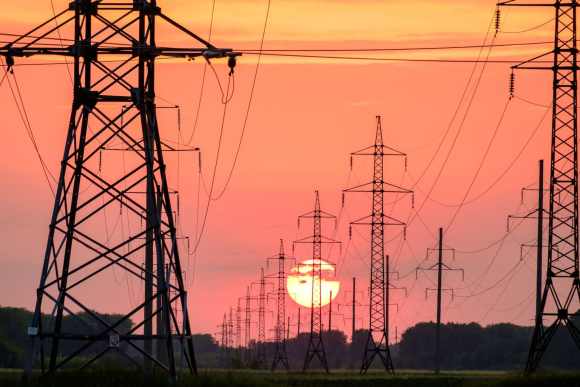
Even though cities are great for people to live and work together, buildings in cities use a lot of energy. In 2018, the Energy Information Administration said that businesses in the US used a huge amount of energy.
Most of this energy came from fossil fuels such as coal, oil, and gas. The biggest use of energy was for heating. The second biggest use was for moving air around, which is called ventilation. The third biggest was for lighting.
When buildings use too much energy, they release gases like carbon dioxide and methane. These gases trap heat in the air and cause global warming. Cities also trap heat, making them hotter than the countryside. This makes air quality worse and can harm people’s health.
Because of all these problems, many people talk about building new green buildings. But we can also fix old buildings to make them more energy efficient. This can be a big help for the planet.
One way to make an old building better is to start with an energy check-up. This is called an energy audit. A trained expert comes to the building and looks at how it uses energy. Then the expert gives advice on how to improve it.
These suggestions can be simple or complex. They might include changes to lighting, heating and cooling systems, insulation, air leaks, or water use. If businesses follow this advice, they can save a lot of money and become more eco-friendly at the same time.
Starting Small
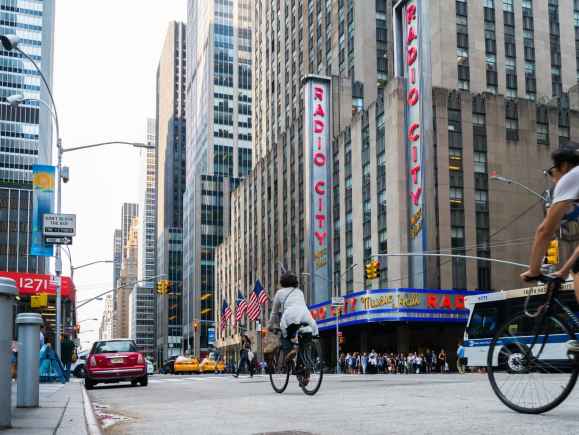
One of the easiest changes is to replace old light bulbs with LED bulbs. LED lights use 75% less energy than regular bulbs and can last 25 times longer. They also don’t give off much heat, which helps keep buildings cooler.
Heating and cooling systems are another big problem. Many old buildings have HVAC systems that use too much electricity. New HVAC units that have the Energy Star label are more efficient and use less energy.
Sometimes the problem is that the HVAC unit is too big for the building. This makes it work harder and wear out faster. Using the right size system can lower energy use and save money.
Improving insulation is also important. Buildings need good insulation and strong seals around doors and windows. This helps keep heat outside in the summer and inside during the winter.
That makes the temperature indoors more stable and more comfortable. Replacing old windows with new, energy-saving windows is another good step. These windows have special coatings to reflect sunlight and help stop heat from moving through the glass.
Saving water is also part of saving energy. Businesses can install toilets that use less water and put in faucets that use low flow or have motion sensors. Outside, they can collect rainwater to use on plants or use sprinklers that stop when it rains. Smart water meters can help track how much water is being used and show where they can save more.
Energy Generation for Old Buildings

Some buildings can also use renewable energy. For example, solar panels on the roof or side of the building can make electricity from sunlight. In windy places, small wind turbines can also help. These clean energy sources don’t make pollution. While solar panels and wind turbines cost money at first, they save money later and may even help building owners get tax breaks.
Some business owners may worry about the cost of all these upgrades. But if they can lower their energy use by 25%, they might get help from the government through tax benefits. These benefits can help pay for the changes.
When old buildings become more energy-efficient, it helps the environment. These buildings use less energy and send fewer harmful gases into the air. That means cleaner air and better health for people who live and work there.
Even if you don’t own a building, there are still many ways you can help the planet. One important way is to vote for leaders who care about climate change and the environment. Try to learn from reliable sources and support laws that protect nature.
Not The Old Building, But From Ourselves

You can also do small things every day to lower your own carbon footprint. Use less electricity at home. Choose clean energy if it’s available. Walk, bike, or take public transport instead of driving. Recycle and compost when you can.
Supporting environmental groups is another way to help. These groups work hard to protect nature, teach others, and fight for better laws. You can help them by joining, donating, or spreading their message.
Changing some of your habits can also make a big difference. Try to use less single-use plastic, buy things that are made in eco-friendly ways, eat more plant-based foods, and choose clothes or transport options that are better for the earth.
You can also raise awareness by talking to others. Share what you learn with your family and friends. Let people know why protecting the planet matters. The more people who understand, the more change we can make together.
Finally, support climate activists. These are people who work hard to stop climate change. You can attend peaceful events, share their messages online, or sign petitions. Helping their voices be heard can lead to better decisions from leaders.
Old buildings may be old, but they still have a future. By upgrading them, we can make a big difference for our planet. Every change counts, and every person can play a part.
Sources:
Leave a Reply