


Technology has revolutionized the way we live, making tasks easier, communication faster, and entertainment more accessible. However, the widespread use of tech comes at an environmental cost. But because of the energy consumed during operation and the waste generated when devices are discarded, technology has a significant ecological footprint.
Thankfully, small changes in how we use and manage our devices can make a big difference. Let’s explore simple ways to reduce tech’s environmental impact through practical steps and their potential effects.
Vampire Power Consumption

Many electronic devices, like TVs, computers, and game consoles, feature a standby mode for convenience. While this mode uses less power than being fully operational, it still consumes a surprising amount of energy.
Known as “vampire power,” this consumption accounts for approximately 23% of the average household’s energy usage. For many households, this could mean annual costs ranging from $165 to $440 just to power devices that aren’t even in use.
The Solution: Turn Devices Off Completely
The easiest way to reduce unnecessary power consumption is to fully power down devices when they’re not in use. This includes turning off TVs, computers, and gaming systems at the end of the day or when leaving the house for extended periods. Better yet, unplug devices from the wall to eliminate vampire power altogether.
To make this even simpler, consider using power strips to control multiple devices with a single switch or timers that automatically cut power during certain hours. This small action, when consistently applied, can lead to significant energy and cost savings while reducing your home’s carbon footprint.
The Hidden Cost of Smartphones
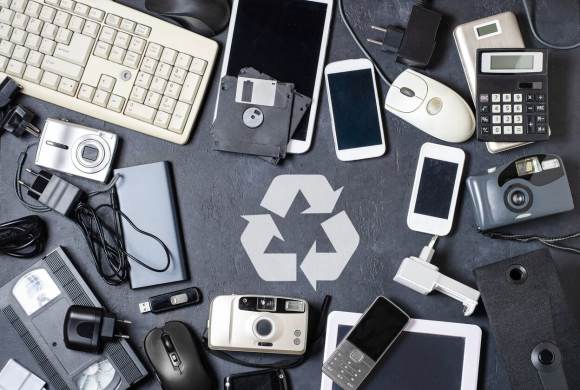
Smartphones are an important part of modern life, but their production is incredibly resource-intensive. Manufacturing a single smartphone requires nearly 10 times more precious metals than making a laptop or desktop computer.
Extracting these metals is a carbon-intensive process, and it’s estimated that 85% of a smartphone’s total carbon emissions occur before it even reaches the consumer. Despite this, many people upgrade to a new phone every two years, contributing to a cycle of waste and environmental harm.
The Solution: Keep Your Current Phone Longer
Holding onto your phone for as long as possible is one of the most impactful ways to reduce its environmental cost. Protect your phone with a sturdy case to prevent damage, repair it when needed, and avoid risky behavior that might result in unnecessary replacements. Simple practices like maximizing battery life—by avoiding full discharges or overcharging—can also help your device last longer.
By resisting the urge to upgrade unnecessarily, you’re not only saving money but also reducing the demand for new devices and their associated carbon emissions. This small shift in mindset can significantly lower your environmental impact.
Excessive Paper Consumption

The average American uses about 680 pounds of paper each year, equating to seven trees per person. While printers were once important for tasks like document preparation and ticket printing, technology now allows many of these tasks to be done digitally. However, home printers still encourage excessive paper use and contribute to waste.
The Solution: Go Digital and Print Only When Necessary
Eliminating or reducing reliance on a home printer is an easy way to cut back on paper usage. Instead of printing, embrace digital tools for signing documents, storing files, and sharing information. Most tasks can be accomplished with PDFs or other e-file formats, reducing the need for physical copies.
For occasional printing needs, consider using printing services at libraries, schools, or workspaces. This approach not only saves paper but also eliminates the costs and environmental impact of ink cartridges, which are notoriously difficult to recycle.
Making this small change can save trees, reduce stress, and help shift toward a more sustainable way of managing documents and information.
Simple Technology Habits for Long-Term Impact
Turning Off Video During Virtual Meetings
Virtual meetings are now a regular part of work and social life, but they come with a hidden environmental cost. Research shows that one hour of videoconferencing can emit up to 1,000 grams of CO2, equivalent to burning about 0.1 gallons of gasoline. It also requires water and land resources, making it surprisingly resource-intensive.
When possible, consider turning off your video during meetings to reduce your environmental footprint. This simple act can cut a meeting’s carbon impact by up to 96%. If video is necessary, use standard definition instead of HD to further reduce energy consumption.
Switching to Rechargeable Batteries
Disposable batteries generate significant waste and have a high carbon footprint, as it takes over 100 times the energy to manufacture an alkaline battery than the energy it provides during use. Switching to rechargeable batteries is a more sustainable choice, particularly for devices with high energy demands, like flashlights, cameras, and toys.
Rechargeable batteries can be reused hundreds of times, reducing waste and the need for new batteries. However, their environmental advantage only kicks in after about 50 recharges, so it’s important to use them consistently for maximum benefit.
Small Acts in Technology Add Up

While these actions may seem small, their collective impact can be significant when adopted widely. Turning off devices, extending the life of your smartphone, minimizing paper use, turning off video during meetings, and switching to rechargeable batteries are all practical ways to reduce technology’s environmental footprint.
We all know that saving energy is needed to buy time for our planet to recover from the damages we have done so far, right? So by following those steps and understanding the matters that matter the most we can actually contribute to our planet.
These steps not only benefit the planet but also save money and encourage more mindful consumption habits. By making these changes part of your routine, you contribute to a more sustainable future where technology and the environment can coexist in harmony.
Now we all know that there is no need to sacrifice our convenience in technology to make our planet better, right? What are we waiting for, then? We can start to act now without hesitation.
Sources:
Leave a Reply