


Indonesia, the lovely archipelago is one of the biggest coal producers in the world. Not only that, they are also among the top consumer for their own coal, just because. But here is the catch: coal is not that good for the environment.
Many countries all around the world have realized the dangers that coals may cause, and opt to not import coal anymore including from Indonesia. So, where would all the coal that Indonesia produce go, then?
“If we have coal, then we should use it. European countries, the U.S., and even Japan still use coal. Why, when Indonesia wants to use [coal], does it become an issue?” said Sri Mulyani Indrawati, Finance minister of Indonesia.
Interesting, right? Let’s talk about this saga then.
Heavy Reliance on Coal

Indonesia’s heavy reliance on coal for energy is a significant concern with far-reaching consequences. Coal has been a trusted source of energy for industries and electricity generation for many decades. However, there’s a catch: when coal is burned to produce energy, it releases a substantial amount of carbon dioxide (CO2) into the atmosphere.
This carbon dioxide is a greenhouse gas, which acts like a thick blanket around our planet, trapping heat and contributing to global warming and climate change. Indonesia stands out as one of the countries that extensively use coal to meet their energy demands.
It’s as if coal has become their go-to source of power. While coal might have served as a reliable energy source in the past, it’s now becoming clear that it’s not the best choice for our planet’s health. The more coal Indonesia burns, the more carbon dioxide it adds to the atmosphere, which worsens the climate crisis.
The concern here is that the world is working collectively to reduce carbon emissions and transition to cleaner, more sustainable energy sources like wind and solar power. But Indonesia’s continued reliance on coal appears to run counter to these global efforts. It’s akin to trying to swim against a strong current.
Moreover, the heavy use of coal isn’t just an environmental issue; it also poses health concerns for people living near coal-fired power plants. The emissions from these plants can harm human health by polluting the air and water. So, Indonesia’s dependence on coal raises significant environmental and health concerns.
Impact on Climate

Indonesia’s stance on coal has far-reaching implications for climate change, and it’s crucial to understand why this is such a significant concern. Climate change is like a colossal puzzle, with pieces coming from various sources, including the burning of fossil fuels like coal.
Indonesia plays a substantial role in the coal industry, exporting coal to many countries worldwide. When this coal is burned, it releases a particular gas known as carbon dioxide or CO2 into the atmosphere.
Imagine CO2 as a thick, heat-trapping blanket that covers the Earth, much like a warm comforter on a chilly night. However, in this case, the blanket doesn’t provide comfort; it leads to global warming, which brings about a multitude of problems such as rising sea levels, extreme weather events, and disruptions to ecosystems.
Here’s where Indonesia’s role becomes significant. By exporting and using coal extensively, they are adding more and more CO2 to that thick atmospheric blanket. It’s like piling on extra layers to an already warm comforter, making our planet even hotter. This contributes to global warming and accelerates climate change, which affects not only Indonesia but the entire world.
What’s concerning is that many countries are actively working to reduce their CO2 emissions to slow down climate change. They’re making the switch to cleaner energy sources like wind and solar power. However, Indonesia’s continued reliance on coal appears to go against this global effort.
So, Indonesia’s coal stance isn’t just a local issue; it’s a global one. It affects the delicate balance of our planet’s climate and makes it more challenging for everyone to address the challenges posed by climate change.
Global Commitments
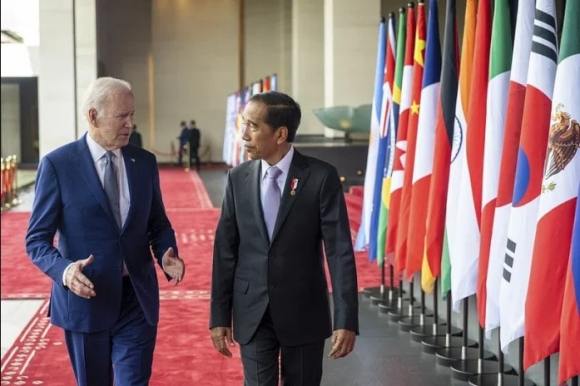
Indonesia has made commitments on the global stage to address climate change, which makes its heavy reliance on coal quite puzzling. Think of these commitments as promises made to the world community, much like when someone pledges to do something important. In the case of Indonesia, these promises are about reducing the harmful effects of climate change.
One of these commitments revolves around reducing carbon emissions. Carbon emissions are like the smoke that comes out of a car’s tailpipe but on a much larger scale. When Indonesia says it will reduce carbon emissions, it’s essentially making a commitment to produce less of the stuff that makes our planet warmer.
Another commitment involves participating in global initiatives aimed at fighting climate change. It’s like joining a team of countries working together to protect the environment. Indonesia’s involvement in these initiatives demonstrates that it recognizes the importance of addressing climate change on a worldwide scale.
Now, here’s where the contradiction arises. Despite these promises, Indonesia’s use of coal for energy continues to release a significant amount of carbon dioxide into the atmosphere. It’s like promising to eat healthier while still indulging in junk food. This inconsistency raises questions about whether Indonesia is fully committed to these global efforts or if there’s a gap between their words and actions.
Coal Export Challenges
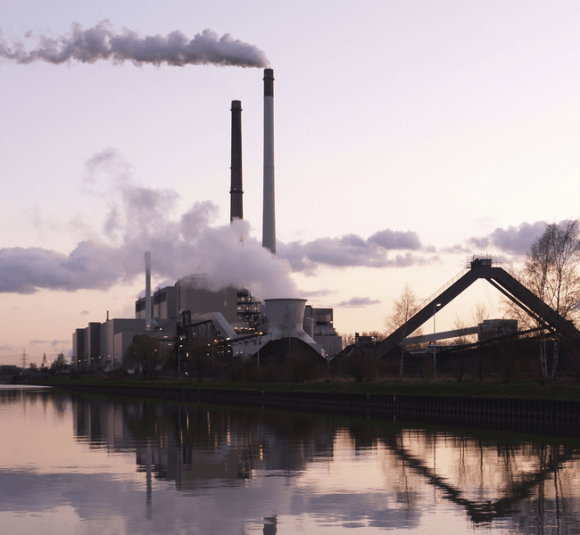
Indonesia faces a significant challenge when it comes to exporting coal, and this challenge has important implications for its coal industry and climate stance. Imagine you have a product to sell, but fewer and fewer people want to buy it. This is the situation Indonesia finds itself in with coal.
Over the years, many countries and regions around the world have started moving away from coal as an energy source. They are choosing cleaner options like solar, wind, and natural gas because these sources produce less pollution and fewer greenhouse gases. It’s like they are switching to healthier and more environmentally friendly choices.
Now, when fewer countries want to buy coal, Indonesia has a problem. It’s like having a surplus of a product that’s no longer in high demand. This means they might have nowhere to sell their coal, or they might have to sell it for less money. This can impact their economy because coal has been a significant source of income for the country.
Moreover, Indonesia’s dependence on coal for its economy is a bit like putting all your eggs in one basket. If that basket starts to have holes, you risk losing a lot. In this case, if the coal market continues to shrink, Indonesia’s economy could face challenges.
Thus, the challenges in exporting coal highlight a dilemma. On one hand, Indonesia relies on coal for its economy, but on the other hand, the world is moving away from coal for environmental reasons. This situation raises questions about Indonesia’s economic interests and how they can transition to cleaner and more sustainable energy sources to address these challenges effectively.
Sources:
Leave a Reply