


Children don’t need fancy toys or big playgrounds to have fun outside. A backyard full of simple things like sticks, dirt, and plants can spark their imagination and help them grow.
It’s a place where kids can play freely, create their own games, and explore the world around them.
This kind of backyard encourages creativity, builds confidence, and lets parents relax while kids learn through play. Interested in learning more about the fun activities? Check it out here.
Using Loose Parts for Creative Play
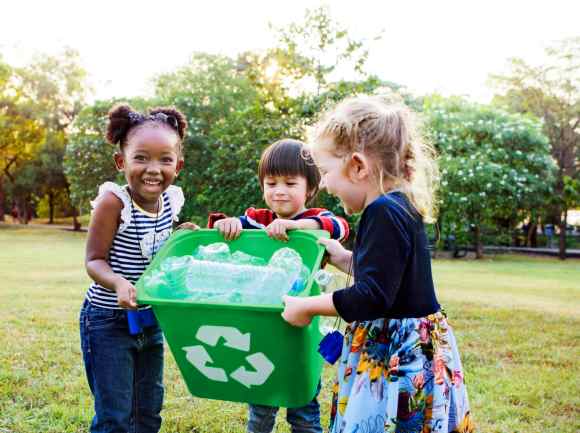
A backyard becomes exciting when kids have materials they can use in many ways. These materials, called loose parts, are things like sticks, rocks, leaves, sand, or old items like bottle caps or wooden scraps.
Unlike fixed toys like slides, loose parts let kids decide how to play. For example, a bucket can be a cooking pot one day and a treasure chest the next. A stick might be a sword, a fishing rod, or a tool for drawing in the dirt.
Loose parts encourage kids to make up their own games. They can build a fort with branches, create a pretend shop with rocks, or design a race track in the sand. This kind of play helps them think creatively and solve problems.
For instance, stacking logs to make a bridge teaches them about balance and planning. Because loose parts can be used in endless ways, every day in the backyard feels new and exciting.
Parents don’t need to control this play. As long as the materials are safe, no sharp edges or toxic items, kids can mix, move, and build freely.
A messy pile of sticks and stones might look chaotic, but it’s a sign that kids are learning and having fun. This open-ended play builds their imagination and lets them explore without adult rules.
Adding Natural Elements for Discovery
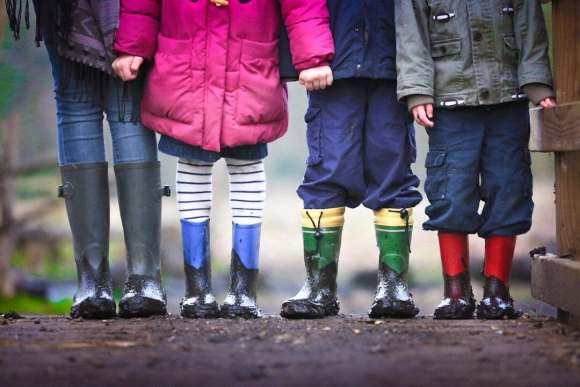
Nature makes backyards magical for kids. Simple things like dirt, water, and plants become tools for learning and fun. A patch of soil is perfect for digging, where kids can create tunnels, build mountains, or pretend to be archaeologists.
Many children skip sandboxes and dig straight into the ground because it feels real and exciting. A mud kitchen is an easy way to make dirt even more fun. Set up a wooden plank on two stumps as a counter, and add old pots, spoons, or cups.
Kids can mix dirt, water, and leaves to make “mud pies” or “stone soup.” This messy play helps them learn about textures and develop skills like pouring or stirring. For example, mixing mud with grass can teach them how materials stick together.
Water adds more possibilities. A bucket, hose, or rain barrel lets kids splash, pour, or make streams in the dirt. Water play improves hand-eye coordination and makes digging more fun. Spills aren’t a problem outside, so kids can experiment freely.
Adding plants, like flowers or small shrubs, brings insects like butterflies or ladybugs, which kids love to watch. A small garden with local plants not only looks nice but also helps bees and other creatures, teaching kids about nature.
Creating Spaces for Hiding and Gathering
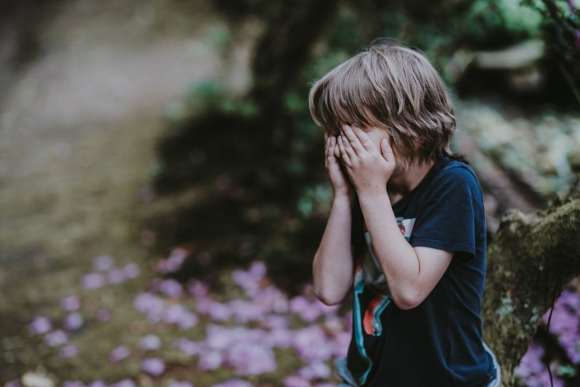
Kids love places where they can hide, plan, or play together. A great backyard has small, cozy spots that feel private but are still safe.
These spaces give kids a sense of control and adventure. For example, tall grass, big rocks, or thick bushes can become secret hideouts where kids pretend to be spies or explorers.
Simple structures make these spaces even better. A circle of sunflowers planted in spring grows into a natural playhouse by summer. A teepee made of sticks or a tunnel of vines can be a fort or castle.
Tree stumps or boulders work as seats, climbing spots, or pretend thrones. For instance, a stump might be a pirate ship’s wheel one day and a king’s chair the next. Group spaces are also important.
A cluster of trees or a shady corner lets kids gather to play games or tell stories. This helps them learn to share, talk, and work together. For example, a group of kids might use logs and leaves to build a pretend village, practicing teamwork.
Natural boundaries like hedges or low walls make kids feel safe while giving them freedom to create their own world. These spaces encourage both solo play and group fun, helping kids grow confident and social.
Letting Go of a Perfect Yard
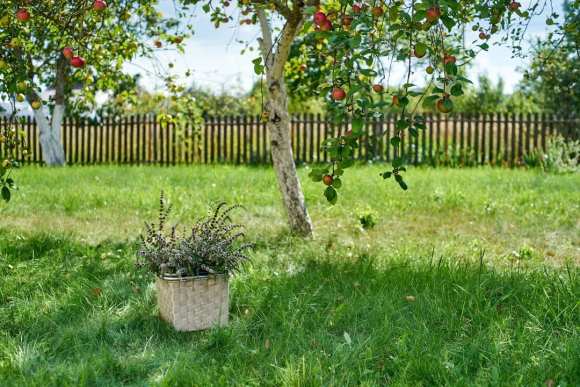
A playful backyard doesn’t need to look neat or perfect. A tidy lawn or fancy garden might look nice to adults, but kids love wild, messy spaces. Piles of rocks, patches of dirt, or scattered branches are more fun than a flat, green lawn.
These messy areas let kids experiment, build, and take small risks, which helps their brains grow. Some parents worry that a wild yard looks messy or unsafe.
But with simple rules, like keeping sharp tools away or setting areas where digging is okay, backyards can be safe and fun.
For example, checking that rocks have no sharp edges keeps play safe. Letting kids make a mess, like piling sticks or digging holes, helps them learn problem-solving and creativity.
Studies show that outdoor play like this makes kids smarter, less stressed, and healthier.
A creative backyard also grows with kids. A dirt pile for a toddler might become a construction site for an older child. A tree stump can be a stepping stone for a young kid and later a table for pretend tea parties.
The same materials, sticks, dirt, plants, offer new adventures as kids grow, making the backyard a place for learning at every age.
Backyards can be the best playgrounds when they have loose parts, natural elements, cozy spaces, and room for mess. Sticks, dirt, water, and plants spark imagination and teach kids about the world.
Hidden corners and group spaces help them feel independent and build social skills. Letting go of a perfect yard creates a space where kids can explore, create, and grow.
These simple ideas turn ordinary backyard into exciting place full of wonder to help kids develop while they play.
Sources:
Leave a Reply