


As living costs rise and people care more about the environment, many are looking for new ways to build and power homes. Earthship homes are a unique solution.
They don’t rely on traditional electricity, water, or waste systems. Instead, they use natural resources like sunlight and rain, along with recycled materials, to provide everything needed for daily life: power, water, food, shelter, and waste management.
These homes are built to suit the land they sit on, which offer freedom and responsibility to those who live in them.
Without further ado, let’s talk about how Earthships lifestyle is actually.
Living Systems for Independence
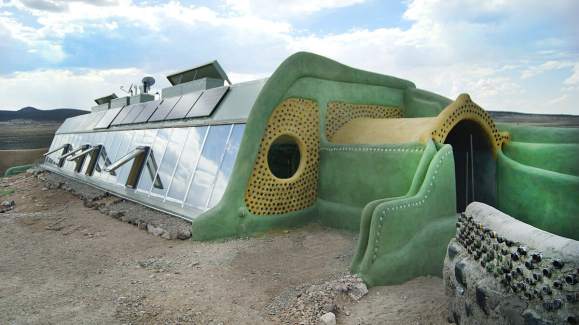
An Earthship is not just a house, it’s a complete system that supports life using local resources. These homes are designed to work without city utilities like power lines or water pipes. They use the sun, rain, and earth to meet all needs, making them perfect for off-grid living.
Earthships use passive solar design, which means they capture heat from the sun through large windows facing south. The walls are made from old tires packed with dirt, creating thick, heavy structures.
These walls store heat during the day and release it at night, keeping the home warm or cool without heaters or air conditioners. For example, a small Earthship in a sunny area can stay comfortable all year because of this natural heating and cooling.
For electricity, Earthships have solar panels that turn sunlight into power. Rainwater is collected from the roof and stored in tanks for drinking, cooking, and washing. Used water, called graywater, is cleaned and reused to water indoor plants.
Wastewater, known as blackwater, is treated and used for outdoor gardens. This means no water or waste goes to waste. Studies show that living this way can save families thousands of dollars a year compared to regular homes.
Earthships also help grow food. Many have indoor gardens behind their big windows, where sunlight helps plants grow all year. For example, a family can grow vegetables like tomatoes or herbs like basil right inside their home.
This system, using sunlight for power and food, rain for water, and recycling waste, makes Earthships independent and eco-friendly.
Building with Recycled Materials

Earthships are built using materials that others throw away, like old tires, glass bottles, cans, and scrap wood. This reduces waste and saves money on building materials.
Tires are packed with dirt and stacked to make strong walls that hold up the roof. These walls are covered with adobe or cement to look neat and smooth.
Glass bottles are used in creative ways, like small windows or colorful wall decorations. They let in light and add beauty to the home. Cans are used in walls that don’t need to hold heavy weight, reducing the need for new materials.
Even wood for furniture or roofs is often reused from old buildings. For example, a kitchen counter in an Earthship might be made from reclaimed wood, giving it a unique look while keeping waste out of landfills.
This approach makes Earthships affordable and good for the planet. Using recycled materials means less trash in landfills and fewer new resources needed. It also shows that things we call “waste” can be useful.
Building an Earthship is like turning trash into a beautiful, strong home that respects the environment.
Designing with the Land in Mind

Every Earthship is different because it’s built to match its location. The climate, sunlight, and land shape how the home is designed. For example, in a hot desert, the house might face away from the sun to stay cool.
In a cold, cloudy area, it might face the sun to catch as much heat as possible. This makes Earthships flexible and efficient.
The design uses nature to work. Solar panels provide electricity, and sloped roofs collect rainwater into tanks. Graywater from sinks and showers flows to indoor gardens using gravity, not pumps. Vents and cooling tubes let fresh air move through the house without fans.
For example, a home in a windy area might use underground tubes to bring in cool air, keeping the house comfortable without air conditioning.
This connection to the land means Earthships have a small impact on the environment. They blend into their surroundings, looking like part of the landscape.
The idea is to live with nature, not against it. People who build Earthships often say they want to “take only what they need and leave only footprints.” This means living lightly on the earth.
Earthships are also customized for the people living in them. A family can choose how many rooms they need, how much food they want to grow, or how big the water tanks should be.
For example, a home in a rainy area might have larger tanks to store more water. This flexibility makes every Earthship unique and suited to its owners’ needs.
Challenges of Earthship Living
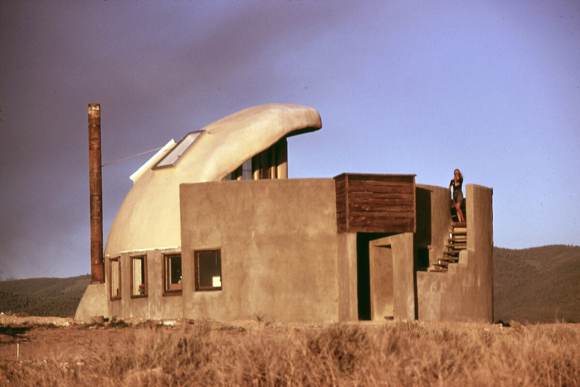
While Earthships offer many benefits, they also come with challenges. Keeping the home comfortable in extreme weather can be hard.
The thick tire walls help, but in very cold or hot places, extra insulation may be needed. Without it, the house might get too cold in winter or too hot in summer.
Building an Earthship takes a lot of time and effort. Packing tires with dirt is hard work and can be slow. Many people build with help from friends or volunteers, which saves money but takes longer.
For example, a small Earthship might take months to finish, which can be frustrating if you want to move in quickly.
The cost can also be a surprise. While recycled materials are cheap, the systems like solar panels, batteries, and water filters can be expensive. A simple Earthship might cost $50,000, while a bigger one could cost over $1 million.
Getting a loan can be tricky because banks may not understand Earthship designs. Builders often need to pay with their own money or find special financing.
Legal issues can also arise. Some places have strict rules about off-grid systems, especially for water and waste. Builders may need special permits or inspections, which can delay the process.
For example, a city might require extra checks on a rainwater system to make sure it’s safe. Checking local laws before building is important to avoid problems.
Before Consideration
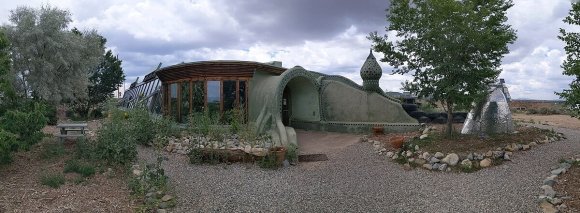
Before building an Earthship, it’s smart to try the lifestyle first. In places like Taos, New Mexico, Earthship Biotecture offers classes and tours. You can visit finished homes, learn how to build one, or even help with construction. This teaches you what living off-grid is really like.
Some Earthships are available to rent for a few days. Staying in one lets you test the systems, feel the temperature changes, and see if the lifestyle fits you.
For example, you can try using solar power or growing food indoors to understand how it works. This helps you avoid mistakes when building your own Earthship.
People who take these classes often go on to build their own homes or help others. Skilled builders travel to different places, from snowy mountains to hot deserts, to construct Earthships.
So, are you interested in the Earthship lifestyle and want to try it yourself?
Sources:
Leave a Reply