

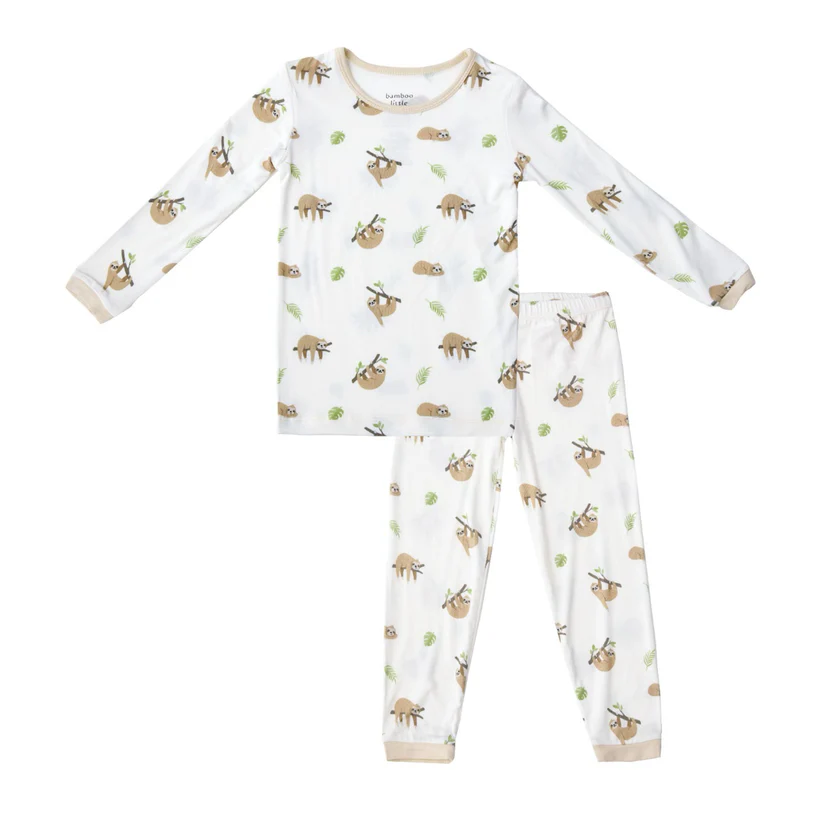
Bamboo clothing has taken the fashion world by storm, praised for its comfort and eco-friendly credentials.
But before you fill your wardrobe with sustainable bamboo clothing, let’s take a deeper dive. Is it truly sustainable, or is there more to the story?
A Greener Viscose?

Here’s the first key point: most “bamboo clothing” isn’t actually made from bamboo fibers.
The primary material is viscose, a type of fabric derived from cellulose, which can be sourced from bamboo or other plants like wood pulp.
Think of it like this: viscose is the fabric world’s answer to recycled plastic, transforming raw materials into new and versatile textiles.
However, the traditional viscose production process often involves harsh chemicals, raising concerns about its environmental impact.
Here’s the good news: advancements are being made to make a greener viscose. Look for brands using labels like Tencel® or EcoVero. These companies prioritize cleaner viscose production methods, creating a more sustainable option for eco-conscious consumers.
Bamboo Farming: Fast-Growing, But with a Catch!
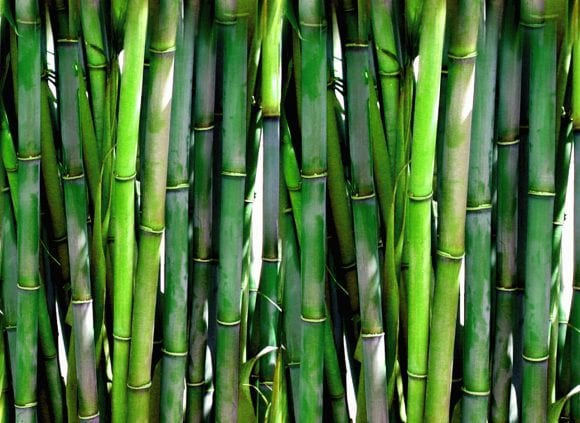
Bamboo itself has some real potential. It grows like crazy, needing less water than cotton, and even helps prevent soil erosion. That’s a win for the environment!
However, there’s a dark side: intensive bamboo farming, where large areas are cleared for monoculture (planting just one type of bamboo), can harm the variety of plants and animals in that ecosystem.
So, is bamboo clothing sustainable? It depends.
Bamboo as a raw material has promise, but the way it’s processed and farmed matters a lot.
Here’s the lowdown:
Good news: Bamboo is a renewable resource and requires less water than some other fabrics.
Not-so-good news: Traditional viscose production uses harsh chemicals, and intensive bamboo farming can harm ecosystems.
Making Eco-Friendly Choices as a Consumer
So, what can you do with this information? Here are some tips for making informed choices when you shop green:
- Look for Labels: Choose brands that use Tencel® or EcoVero viscose, or those that are transparent about their production processes.
- Do Your Research: Support companies committed to sustainable farming practices.
- Focus on Quality: Invest in a few, well-made bamboo pieces that will last.
Bamboo Clothing Life Cycle and Production

The eco-friendliness of bamboo clothing extends beyond the initial production of the fabric. Here’s a look at other stages in the life cycle to consider:
- Transportation: Many bamboo garments are manufactured in Asia and then shipped globally. This transportation can contribute to greenhouse gas emissions. Look for brands that minimize transportation distances or offset their carbon footprint.
- Dyes and Finishing: The dyes and finishing agents used on bamboo clothing can have an environmental impact. Opt for brands that use organic, low-impact dyes and minimize harsh chemical finishing processes.
- Washing and Care: How you care for your bamboo clothes also plays a role. Washing in cold water with eco-friendly detergents and air drying whenever possible can significantly reduce the environmental impact.
- End of Life: While bamboo is a biodegradable material, some viscose production methods may not result in fully compostable fabrics. Look for certifications like OEKO-TEX® Standard 100, which ensures the fabric is free from harmful substances and potentially biodegradable. Additionally, consider supporting brands that offer recycling programs for their bamboo clothing.
Beyond the Basics of Bamboo Clothing

While the previous section covered the core aspects of bamboo clothing’s sustainability, there are a few additional factors to consider:
Blends and Mixes
Many bamboo clothes are actually blends, combining bamboo viscose with other materials like cotton or polyester. While these blends can offer benefits like increased durability or wrinkle resistance, they dilute the potential sustainability benefits of bamboo. Look for a higher percentage of bamboo viscose in the blend for a more eco-friendly choice.
Chemical Finishing
Even after processing, some bamboo clothing may undergo additional chemical finishing treatments to achieve specific qualities like softness or water resistance. These treatments can vary in their environmental impact. Look for brands that disclose the types of finishing used and prioritize those with minimal chemical use.
Transparency
The most sustainable bamboo clothing choices come from brands committed to transparency throughout their supply chain. Look for brands that provide details about their bamboo sourcing, viscose production methods, and farming practices.
Durability
Like any clothing, the lifespan of your bamboo garments significantly impacts their overall sustainability. Choose well-made pieces and follow proper care instructions to ensure they last for years. This reduces the need for frequent replacements and minimizes the environmental footprint.
By choosing sustainable fashion brands that use bamboo, you’re not just following a trend, you’re making a powerful statement. You’re advocating for renewable resources, for water conservation, and for a greener fashion landscape.
Bamboo clothing offers a compelling proposition for the environmentally conscious consumer. While comfort and style remain key factors, the sustainable aspects of bamboo stand out.
This isn’t just about the luxurious feel and unparalleled breathability of bamboo fibers; it’s about aligning your wardrobe with a future you believe in.
Leave a Reply