


In an era marked by growing environmental consciousness, consumers are increasingly seeking sustainable alternatives to single-use products. One area where this shift is evident is in the dining room, with a resurgence of interest in cloth napkins over their paper counterparts. Among the various fabrics available, linen has emerged as a popular choice. But is linen truly the most sustainable option for your home? Let’s delve into the pros and cons.
The Allure of Linen

Linen, derived from the flax plant, has long been prized for its durability, absorbency, and elegant texture. In recent years, it has also gained a reputation as an eco-friendly choice. Here’s why:
- Sustainability: Flax, the source of linen, is a relatively low-maintenance crop that requires minimal pesticide and fertilizer use. Additionally, the entire flax plant can be utilized, reducing waste.
- Durability: Linen napkins are renowned for their longevity. With proper care, they can last for years, significantly reducing the need for replacements.
- Biodegradability: Unlike synthetic fabrics, linen is biodegradable, meaning it will decompose naturally without harming the environment.
- Elegance: Linen napkins add a touch of sophistication to any table setting.
The Environmental Footprint of Linen
While linen boasts numerous eco-friendly attributes, it’s essential to consider the entire lifecycle of the product.
- Water Consumption: Flax cultivation requires a significant amount of water, especially in regions with arid climates. However, it’s important to note that this water footprint is often lower than that of cotton, another popular fabric for napkins.
- Production Process: The process of converting flax into linen yarn involves several steps, including retting (a process of bacterial decomposition) and scutching (removing woody parts). These processes can be resource-intensive and potentially harmful to the environment if not carefully managed.
- Washing and Drying: Regular washing and drying of linen napkins consume energy and water. However, the environmental impact can be mitigated by using energy-efficient appliances and air-drying whenever possible.
Linen vs. Other Options
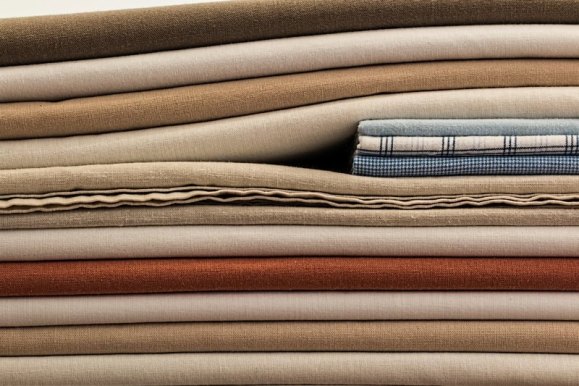
To assess the sustainability of linen napkins, it’s helpful to compare them with other alternatives:
- Paper Napkins: While convenient, paper napkins contribute to deforestation and landfill waste. The production process also involves the use of chemicals and energy.
- Cotton Napkins: Cotton is a renewable resource, but its cultivation often involves intensive water use, pesticide application, and deforestation. Organic cotton is a more sustainable option but can be more expensive.
- Bamboo Napkins: Bamboo is a rapidly renewable resource with a lower environmental impact than cotton. However, the production process can involve the use of harmful chemicals.
Making an Informed Choice
Ultimately, the most sustainable choice for your home depends on various factors, including your personal values, lifestyle, and budget. Consider the following tips when selecting napkins:
- Prioritize organic and fair-trade options: Look for linen and other fabrics that are certified organic to minimize environmental impact and support ethical labor practices.
- Invest in quality: High-quality linen napkins will last longer, reducing the need for replacements and minimizing waste.
- Care for your napkins properly: Follow care instructions to extend the lifespan of your napkins and reduce the environmental impact of washing and drying.
- Consider alternatives: Explore other sustainable options, such as bamboo or recycled cotton napkins.
- Reduce consumption: Use napkins mindfully and avoid excessive waste.
Linen Napkins: A Timeless Investment
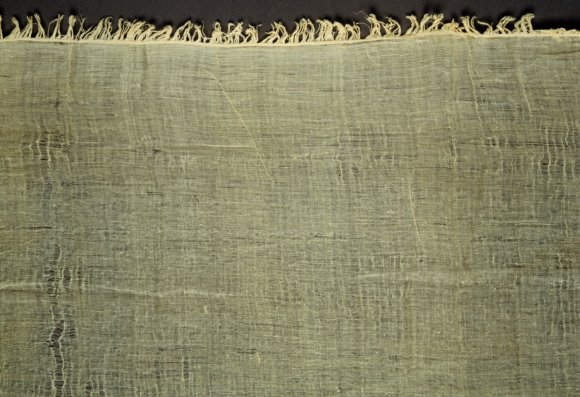
Beyond their environmental credentials, linen napkins represent a compelling investment for the discerning homeowner. Their inherent durability and classic elegance mean they can grace your table for decades, potentially becoming cherished heirlooms passed down through generations. While the initial outlay for a set of linen napkins might be higher than their disposable or synthetic counterparts, the long-term cost-per-use is significantly lower.
Consider the aesthetic value as well. Linen’s natural luster and soft drape elevate any tablescape. Its ability to complement a variety of tableware and decor styles ensures its enduring appeal. Moreover, linen napkins are remarkably versatile. They can be dressed up for formal occasions or dressed down for casual gatherings.
Investing in linen napkins is not merely a purchase but a statement about your commitment to quality, sustainability, and timeless style. It’s a choice that enriches both your daily life and the legacy you leave behind.
Conclusion

The decision to incorporate linen napkins into your home is a multifaceted one, intertwining environmental considerations, economic factors, and aesthetic preferences. While linen undeniably boasts eco-friendly attributes, its production and care require careful consideration. Comparing it to other options, such as paper, cotton, and bamboo, reveals a complex picture.
Ultimately, the most sustainable choice is often a personal one. Prioritizing organic and fair-trade linen, investing in high-quality pieces, and adopting mindful washing practices can significantly reduce the environmental impact. For those seeking a balance of sustainability, durability, and elegance, linen napkins offer a compelling proposition.
Beyond their ecological benefits, linen napkins represent a tangible expression of conscious consumption. By choosing this enduring fabric, you not only reduce your environmental footprint but also contribute to a circular economy. Linen’s timeless appeal and versatility ensure it remains a stylish and functional addition to any home. It’s an investment in both aesthetics and ethics, a choice that reflects a commitment to a more sustainable future.
Leave a Reply