


The global energy crisis, triggered by Russia’s invasion of Ukraine, has forced many countries to rethink their energy strategies. With Russian gas supplies cut off, Europe has turned to liquified natural gas (LNG) as a temporary solution.
However, LNG is far from a perfect fix. One of the biggest problems with LNG is something called boil-off gas (BOG), which refers to the methane that escapes into the atmosphere during the storage, transportation, and unloading of LNG.
This not only undermines the environmental benefits of natural gas but also highlights the inefficiencies and risks of relying on LNG as a long-term energy solution.
Want to know more about it? Follow through.
The Rise of LNG in Europe
When Russia cut off gas supplies to Europe, many countries panicked. To make up for the shortfall, they began importing large amounts of LNG. In fact, LNG imports to Europe have increased by 65% compared to 2021. At one point, dozens of LNG tankers were floating off the coast of Europe, unable to unload their cargo due to a lack of regasification capacity at ports.
The situation was further complicated by unseasonably warm weather, which reduced the demand for gas and caused prices to drop. According to the Financial Times, more than 30 LNG tankers were idling off Europe’s shoreline, waiting for demand to rise again. This backlog has raised concerns about Europe’s ability to process the LNG needed to replace Russian gas.
The Problem with Boil-Off Gas
One of the major issues with LNG is boil-off gas. LNG is natural gas that has been cooled to -162°C (-260°F) to turn it into a liquid, making it easier to transport. However, even with insulated tanks, it is impossible to keep LNG at such low temperatures indefinitely. As the tanks warm up, some of the LNG evaporates, releasing methane into the atmosphere.
A study titled Simulation of Boil-Off Gas Effect Along LNG Supply Chain on Quantity and Quality of Natural Gas found that significant amounts of LNG are lost as boil-off gas during loading, shipping, and unloading. For example, during the loading process, 2.7% of the LNG cargo is lost as boil-off gas. During shipping, another 4% is lost, and during unloading, an additional 2.63% evaporates. In total, nearly 10% of the LNG cargo can be lost as methane emissions.
Even when LNG tankers are sitting idle, they continue to lose gas. According to another study, the boil-off rate for a fully loaded LNG carrier is typically 0.1% to 0.25% of the total volume per day. For a ship carrying 126,500 cubic meters of LNG, this translates to 316 cubic meters of methane lost every day.
The Environmental Impact of Methane
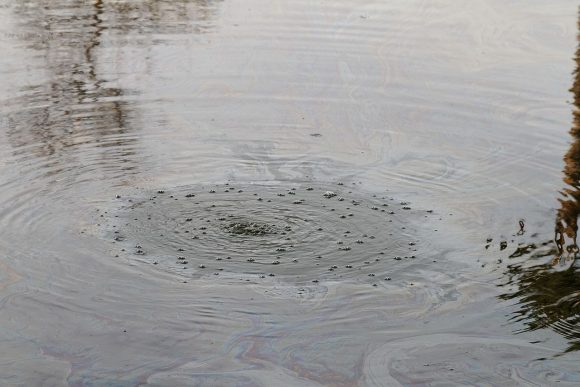
Methane is a potent greenhouse gas, with a global warming potential 86 times greater than carbon dioxide over a 20-year period. This means that even small amounts of methane emissions can have a significant impact on climate change. By switching from piped natural gas to LNG, countries are increasing their methane emissions by 5% to 10%, undermining efforts to reduce greenhouse gas emissions.
Despite these risks, the LNG industry often promotes natural gas as the “cleanest fossil fuel” and LNG as the most economical way to transport natural gas over long distances. However, these claims rarely mention the environmental impact of boil-off gas or the fact that methane leaks are a major contributor to global warming.
The Risk of Carbon Lock-In

Another concern with LNG is the risk of carbon lock-in. Carbon lock-in occurs when investments in fossil fuel infrastructure, such as LNG terminals, create long-term dependencies that make it difficult to transition to cleaner energy sources. For example, building new LNG terminals in Europe could lock countries into using natural gas for decades, even as the world moves toward renewable energy.
Eilidh Robb of Friends of the Earth Europe warns that LNG terminals require long-term contracts to be economically viable, often lasting 20 to 40 years. This creates a “lock-in effect” that makes it harder to phase out fossil fuels and transition to renewable energy.
Reducing Demand
Instead of investing in LNG infrastructure, experts argue that countries should focus on reducing their demand for natural gas. This can be achieved through energy efficiency measures, such as insulating homes and buildings, and by accelerating the deployment of renewable energy technologies like wind and solar power.
Peter Balcombe of Queen Mary University of London emphasizes the need for a long-term effort: “We need to increase energy efficiency and our renewables deployment. Rather than just looking at the really, really short-term replacement, which is LNG, we need to look at the slightly longer term, which will have way better cost implications, financial and environmental.”
The Bigger Picture
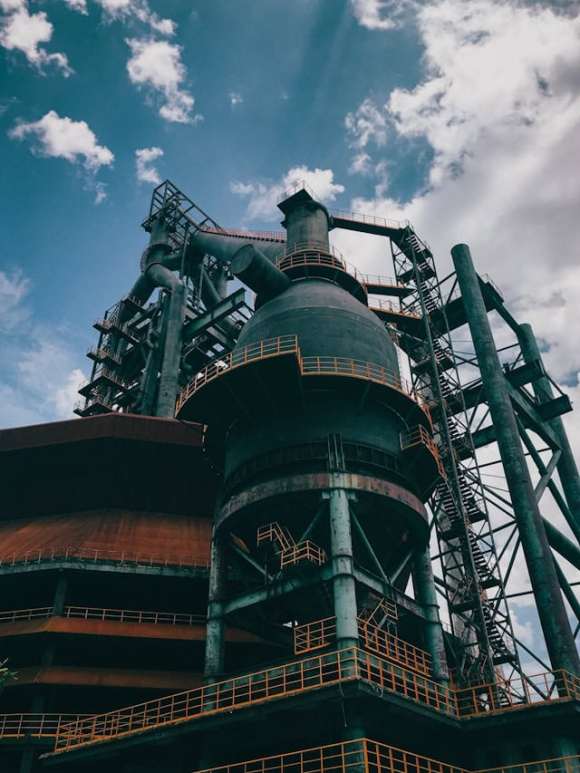
The global energy crisis has exposed the vulnerabilities of relying on fossil fuels, whether they come from pipelines or LNG tankers. While LNG may provide a temporary solution to Europe’s energy needs, it is not a sustainable or environmentally friendly option. The methane emissions from boil-off gas, combined with the risk of carbon lock-in, make LNG a poor choice for addressing the energy crisis.
Instead, countries should focus on reducing their dependence on fossil fuels altogether. This means investing in renewable energy, improving energy efficiency, and rethinking how we use energy in our daily lives. By taking these steps, we can build a more resilient and sustainable energy system that is less vulnerable to geopolitical conflicts and environmental risks.
Liquified natural gas is not the solution to the energy crisis. The methane emissions from boil-off gas and the risk of carbon lock-in make LNG a flawed and unsustainable option. Instead of investing in LNG infrastructure, countries should prioritize energy efficiency and renewable energy. By reducing our reliance on fossil fuels, we can address the root causes of the energy crisis and create a cleaner, more secure energy future.
The time to act is now. Let’s not lock ourselves into a future dependent on fossil fuels. Instead, let’s embrace the opportunity to build a sustainable energy system that benefits both people and the planet.
Sources:
Leave a Reply