


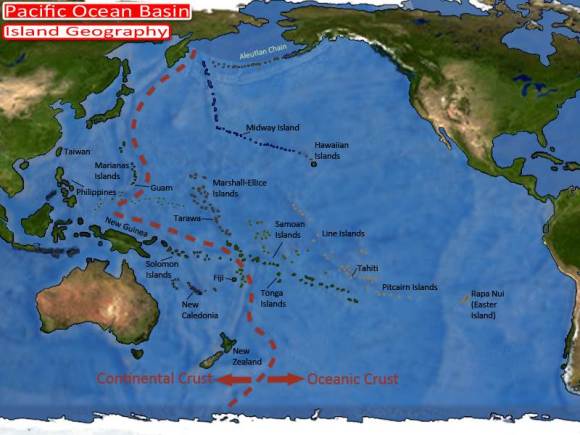
In the Cook Islands, a tiny nation in the South Pacific, a controversial decision is being made. The country’s leaders believe that mining the ocean floor for valuable metals could bring unimaginable prosperity.
But environmental activists warn that this decision could destroy one of the last untouched ecosystems on Earth.
At the center of the debate is a small, black rock-like formation found deep beneath the ocean’s surface—polymetallic nodules. These nodules are rich in cobalt, nickel, and manganese, all key materials used to make batteries for electric cars, mobile phones, and other technology.
For some, these nodules represent a golden opportunity. For others, they are a dangerous gamble. So, which one is it?
The Promise of Deep-Sea Mining

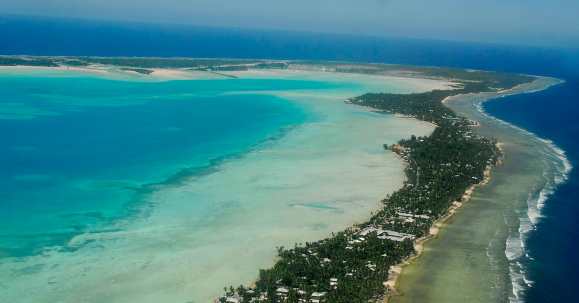
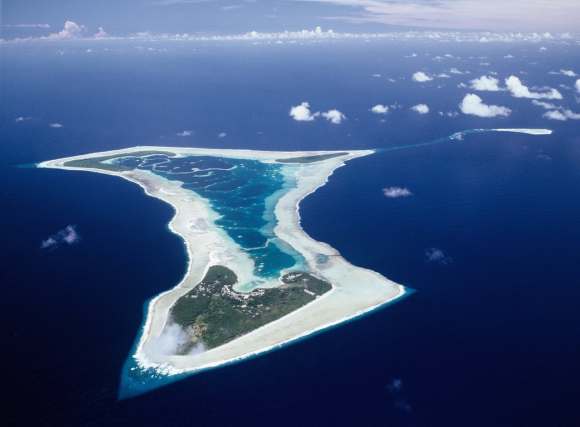
The Cook Islands, a group of 15 volcanic islands, has long relied on tourism as its main source of income, contributing to over 70% of its GDP. But the Covid-19 pandemic devastated the industry, forcing the country to look for alternative sources of revenue.
Prime Minister Mark Brown believes deep-sea mining is the answer. The Cook Islands Seabed Minerals Authority estimates that 12 billion wet tonnes of polymetallic nodules are sitting untouched in the country’s exclusive economic zone (EEZ), an area of ocean nearly the size of Mexico.
If mined and sold, these metals could transform the Cook Islands’ economy. The government envisions using the money to fund education, healthcare, and infrastructure, making it easier for people to live and work on the islands instead of moving abroad.
Mark Brown has big ambitions. He wants the Cook Islands to follow Norway’s example, using wealth from natural resources to create a sovereign wealth fund—a financial reserve that would provide for future generations.
“It provides the opportunity for our kids to study anywhere in the world without student loans,” he says. “It allows us to have better healthcare, so our people don’t have to go to New Zealand or Australia for treatment. And it lets young people stay in our country, instead of leaving to find jobs overseas.”
The Risks of Deep-Sea Mining
Despite these promises, many people—both in the Cook Islands and internationally—are deeply concerned.
Activists argue that too little is known about the impact of mining the ocean floor. The seabed is one of the most unexplored ecosystems on Earth, home to species that have never been studied before.
“We are asking for more time for robust independent research,” says Alanah Matamaru Smith, a campaigner from the Te Ipukarea Society, an environmental group in the Cook Islands.
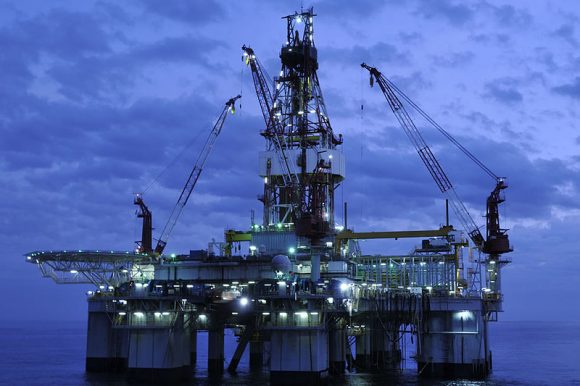
Marine biologists warn that disturbing the seabed could cause irreversible damage. Mining operations would involve giant machines sucking up the ocean floor, destroying habitats and potentially releasing toxic chemicals into the water.
The effects on marine life are still unknown, but some fear that deep-sea mining could wipe out entire species before scientists even have a chance to study them.
There are also economic risks. Some critics argue that deep-sea mining may not even be profitable. With technology changing so quickly, there’s no guarantee that cobalt, nickel, and manganese will still be valuable by the time mining operations begin.
The high cost of deep-sea mining—combined with competition from land-based mining and alternative battery technologies—could make the whole project a financial failure.
A Divided Nation
The Cook Islands government is not waiting for international approval. While many countries are calling for a moratorium (a delay) on deep-sea mining until more research is done, the Cook Islands has already issued three licenses to companies for exploration.
One of these companies is Moana Minerals, led by Hans Smit, a South African mining expert. He believes that mining the deep sea is necessary to keep up with the modern world.
“Nothing we do in life is risk-free,” he says. “If we don’t want mining, if we don’t want to collect these metals, then we need to stop using everything we use today.”
But not everyone in the Cook Islands agrees with the government’s decision.
On the island of Rarotonga, the largest and most populated of the Cook Islands, protesters have taken to the water. Surfers, kayakers, and swimmers have gathered to chant:
“Te Moana, Te Moana, Paruru ia ra, Paruru ia ra”—”Protect our ocean, protect our ocean.”
Local activist June Hosking, from the tiny island of Mauke, is one of the few people openly speaking out against the government’s mining plans.
“When we have consultations, only three or four of us speak up,” she says. “People don’t like to rock the boat in the outer islands.”
June believes that the government is rushing into deep-sea mining without properly informing the public about the risks.
“People say, ‘Oh, I stay neutral on deep-sea mining.’ I tell them, ‘You can’t drive very far in neutral!’” she laughs.
Is Mining the Best Option?
The Cook Islands government insists that it has no other choice. With climate change threatening low-lying islands and limited sources of income, leaders argue that they need to take control of their own resources.
“We’re small island developing states, but we prefer to call ourselves large ocean states,” says Rima Brown, a young geographer who works for the Seabed Minerals Authority.
With an ocean territory nearly 10,000 times larger than its land, the Cook Islands sees deep-sea mining as its best hope for financial independence.
Jean Mason, the curator of the Cook Islands Library and Museum, agrees. She remembers when polymetallic nodules were just strange rocks that washed up on shore.
“We had no idea these things would be so valuable,” she says.
To Jean, the biggest injustice is that wealthy nations—who profit from mining on land—are now telling small countries like the Cook Islands not to mine the ocean.
“They destroy the atmosphere and then tell us, ‘Don’t touch your resources,’” she says. “How dare they?”
Despite the controversy, deep-sea mining in the Cook Islands is moving forward. If successful, it could bring wealth and stability to the islands. But if it fails, it could cause environmental devastation—or simply turn out to be a bad investment.
For now, the debate continues. Activists call for caution, while the government pushes ahead. The question remains, is this truly a step towards the future—or just another environmental disaster waiting to happen?
Sources:
Leave a Reply