


River has long been the lifeblood of our planet, teeming with diverse wildlife and supporting countless communities. However, the relentless impact of human activities has taken a toll on these vital ecosystems, leading to environmental degradation and loss of biodiversity.
In response to this crisis, the United States has embarked on an ambitious river restoration project, seeking to rejuvenate its waterways and reverse the decline in ecological health. This groundbreaking initiative is a testament to collaboration, innovation, and hope.
How could this become so powerful in impacts? Here we will talk about it.
The US River Restoration Project
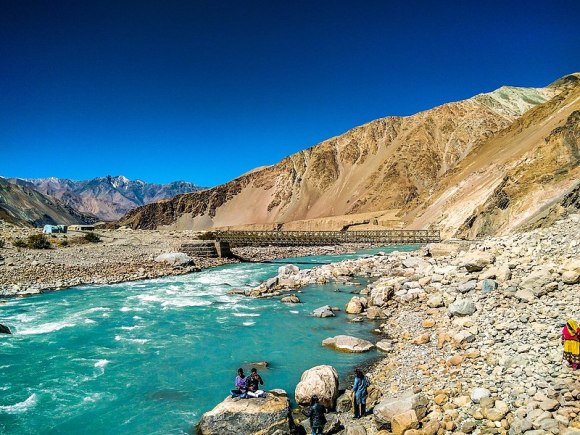
The US river restoration project tackles the urgent need to conserve biodiversity and restore the ecological balance of its waterways. Over the years, human intervention, pollution, and habitat destruction have wrought havoc on these once-thriving ecosystems.
To address these issues, researchers conduct comprehensive assessments to identify key factors contributing to the deterioration of river health. Armed with this knowledge, they develop tailored restoration plans for each river, focusing on the rejuvenation of critical habitats, the recovery of native species, and the enhancement of overall ecosystem resilience.
Central to the project’s success is the collaboration among scientists, ecologists, and conservationists. By closely studying the water quality, flow rates, and ecosystem health in each river, the restoration teams gain invaluable insights to inform their restoration strategies.
Recognizing that every river system is unique, the project’s approach is customized to meet the specific needs of each local flora and fauna. Pretty clever decision to help out our nature, isn’t it?
Innovative Collaboration Spurs River Revival
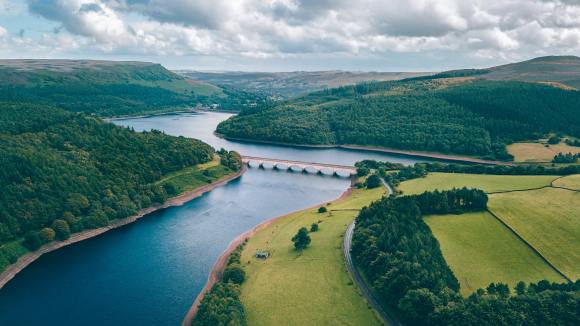
What sets the US river restoration project apart is its unprecedented collaboration among diverse stakeholders. Departing from traditional conservation approaches, the initiative unites government agencies, private companies, environmental organizations, and local communities under a shared mission.
This holistic collaboration fosters a harmonious synergy among all stakeholders, each contributing their unique expertise and resources to the project. Government agencies play a pivotal role in providing regulatory support and ensuring the alignment of restoration efforts with existing environmental policies.
Private companies invest in research, sustainable practices, and cutting-edge technologies, leveraging their innovative capabilities to amplify the impact of the project. Environmental organizations bring their invaluable expertise in habitat restoration, species preservation, and community engagement, enabling holistic conservation strategies.
An essential aspect of this collaboration is the active involvement of local communities. By engaging with the people living along the rivers, the project cultivates a sense of ownership and stewardship over their local environment.
Empowering local stakeholders is key to ensuring the long-term sustainability of restoration efforts and nurturing a deep understanding of the intrinsic link between people and the environment.
Cutting-edge Technologies Drive River Rejuvenation

At the heart of the US river restoration project lies an unwavering commitment to harnessing cutting-edge technologies. Advanced AI-driven monitoring systems provide real-time assessments of river health, enabling prompt responses to emerging environmental challenges.
By continuously collecting and analyzing vast amounts of data, researchers can closely monitor the effectiveness of restoration efforts and adapt strategies as needed. Habitat enhancement techniques, guided by modern engineering and ecological principles, create diverse habitats that support a wide range of species.
Restoration teams work tirelessly to reestablish wetlands, construct fish passages, and implement natural buffer zones along riverbanks. These efforts not only benefit native species but also contribute to flood control and erosion prevention, fostering a more balanced ecosystem.
Sustainable water management practices represent another critical pillar of the project. Addressing water scarcity and pollution is vital to the long-term ecological resilience of the rivers. To achieve this, the project emphasizes water recycling, sustainable irrigation techniques, and integrated watershed management.
This comprehensive approach to water management strives to restore the delicate balance between human needs and the health of the environment. The embrace of innovation is not only essential for enhancing ecological outcomes but also contributes to increased cost-efficiency.
The project’s efficient use of resources attracts private sector involvement and inspires the potential replication of its model in other restoration projects worldwide. Technological advancements hold the promise of making restoration efforts more scalable, adaptable, and effective in the face of evolving environmental conditions.
US River Restoration Inspires Global Change

The impact of the US river restoration project extends far beyond its geographical boundaries. As the rivers’ ecosystems flourish, the project serves as a beacon of hope, inspiring other nations and regions to embark on similar initiatives.
The achievements of this restoration project highlight the transformative power of large-scale restoration efforts in addressing pressing environmental challenges and nurturing the planet’s natural heritage.
The collaborative spirit cultivated within the project emphasizes the significance of collective action in conserving natural resources. By uniting governments, private companies, environmental organizations, and local communities, the initiative sets a precedent for successful cross-sectoral partnerships.
Moreover, the positive outcomes of the restoration project evoke a deeper appreciation for the value of healthy ecosystems, inspiring societies to commit to sustainable practices. Beyond restoring rivers and promoting biodiversity, the initiative enhances essential ecosystem services, such as providing clean water, ensuring food security, and regulating the climate.
Conclusion

The US river restoration project represents hope and transformation. Through determination, innovation, and collaboration, it nurtures our planet’s natural heritage. As it inspires global change, nations worldwide come together in a collective journey towards a greener future.
The restoration of rivers emerges as a powerful testament to human ingenuity and cooperation, illuminating the path towards a more harmonious relationship with nature. This inspiring journey serves as a rallying call, reminding us of our interconnectedness with the environment and our responsibility to protect it for generations to come.
As more countries join the cause, a network of collaborative initiatives takes shape, united in the mission to safeguard biodiversity and secure a sustainable future for all. The US river restoration project offers hope for a greener and more sustainable world, where human progress aligns harmoniously with the health of our natural ecosystems.
Leave a Reply