

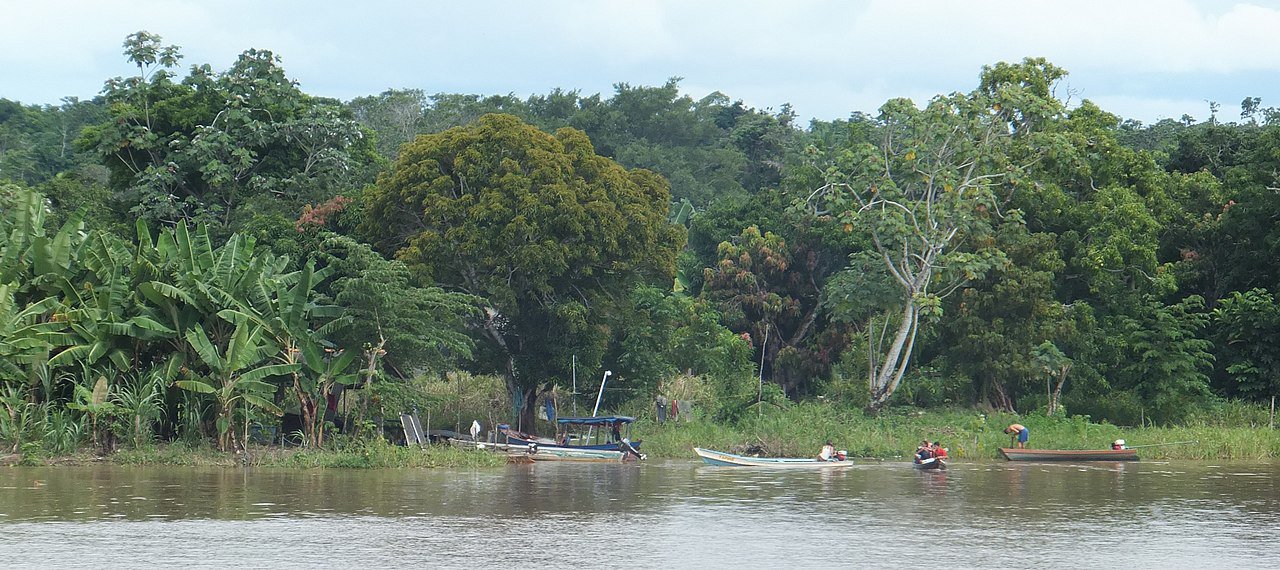
How to make the nature our friend? Maybe we should listen more to the indigenous people. By understanding and respecting native peoples’ roles as guardians we are acknowledging the need for economic practices in harmony with nature.
Recognizing the spiritual connection with the environment and fostering global cooperation through initiatives like the indigenous peoples’ knowledge and leadership network is also important for this work.
By that, we may pave the way for a more sustainable and interconnected world because it’s a collective journey towards a future where humanity lives in harmony with the Earth.
Learning from the wisdom embedded in native cultures for the well-being of present and future generations is important. So, how can we do it?
Indigenous Guardianship

Let’s delve deeper into the remarkable role played by indigenous peoples in safeguarding our planet. Despite constituting only 6% of the global population, they serve as indispensable guardians, overseeing and protecting a staggering 80% of the world’s remaining biodiversity.
This means they are responsible for taking care of a vast array of plants and animals, making their role in environmental preservation crucial. It’s not just about protecting their own homes; their efforts contribute significantly to the overall well-being of the Earth.
The concept of indigenous Guardianship goes beyond simple land management. Indigenous peoples hold a deep-rooted commitment to preserving the delicate balance of nature. Research indicates that these communities are accountable for overseeing at least 25% of the carbon stored in the world’s tropical and subtropical forests.
This stewardship extends beyond conservation; it involves leveraging vital ancestral knowledge to adapt to, mitigate, and reduce climate and natural disaster risks. This role gains increased significance given the escalating global environmental challenges we face.
In a recent gathering known as the World Economic Forum, native leaders emphasized the urgent need for the broader community to pay attention to their knowledge and provide support. It’s not merely about safeguarding their own territories; it’s about their integral contribution to global environmental sustainability.
This first thing we should talk about is the critical necessity of acknowledging and learning from the native approach to biodiversity protection. As the world grapples with the consequences of climate change, recognizing and supporting indigenous peoples becomes paramount for a more sustainable future.
Economic Harmony with Nature

Now, let’s shift our focus to the economic aspect and how indigenous leaders advocate for a harmonious relationship with nature. Indigenous peoples, with their centuries-old knowledge of sustainable resource management, propose a shift in our economic practices.
They challenge conventional models that often lead to environmental degradation and emphasize the need for a new approach that considers the well-being of the environment. Leaders at the World Economic Forum stressed the importance of incorporating indigenous knowledge into decision-making processes, especially those affecting the environment.
Fany Kuiru, the General Coordinator of the Coordinating Body of indigenous Organisations of the Amazon Basin (COICA), representing 511 native communities, highlighted the urgent need for native peoples to have a seat at the decision-making table.
This involves adopting a holistic approach that considers natural and cultural diversity, aligning with the indigenous approach to a sustainable economy. Furthermore, native territories, particularly in the Amazon, were highlighted as some of the best-preserved areas.
Fany Kuiru emphasized that this preservation is a result of making respectful use of their territory and natural resources. Their sustainable practices not only contribute to the well-being of their communities but also play a significant role in broader environmental preservation efforts.
We should also notice the call for a more sustainable economic model where the preservation of biodiversity and ecosystems is a fundamental aspect. Integrating indigenous knowledge into these discussions can lead to innovative and effective approaches for achieving the Sustainable Development Goals.
It underscores the need for collaboration and inclusivity in shaping our economic future, acknowledging that indigenous peoples’ insights are valuable for a more sustainable and balanced world.
Indigenous People’s Spiritual Connection with Nature

Let’s also explore the profound spiritual connection that indigenous peoples maintain with nature. During sessions at the World Economic Forum, leaders like Chief Nixiwaka Yawanawá and Putany Yawanawá emphasized a connection that goes beyond conventional perspectives.
They conveyed a message that transcends economic and ecological aspects of environmental conservation, urging humanity to rekindle its spiritual connection with nature. Chief Nixiwaka Yawanawá expressed that indigenous peoples are like children who never left home, the home of the Divine Creator.
This signifies a strong link to nature as an integral part of their identity. The leaders stressed that indigenous peoples speak the language of the elements—water, earth, air, stars, animals, and forests—considering them not merely as resources but as living entities that sustain all of humanity.
We should focus our attention to the unique worldview held by native peoples, perceiving nature as a living being with intrinsic value beyond economic measures. It challenges the mainstream discourse on environmental conservation by introducing a spiritual dimension.
The indigenous leaders’ call to integrate global prosperity with a humanized approach to nature underscores the necessity of broadening our understanding of environmental issues. It invites a reevaluation of the fundamental relationship between humanity and the natural world, emphasizing the interconnectedness that transcends economic transactions.
Global Cooperation and Initiatives

We can also explore how people from all around the world can work together to recognize and leverage indigenous knowledge for sustainable development. In 2024, The native peoples’ Knowledge and Leadership Network was initiated, marking a significant step in engaging prominent indigenous leaders and experts across the Forum’s 10 Centres.
This initiative aims to foster greater public-private cooperation through both traditional and innovative indigenous knowledge. The network seeks to bridge the gap between traditional wisdom and modern strategies, emphasizing the importance of incorporating indigenous perspectives into global decision-making processes.
It reflects a commitment to creating a platform where indigenous leaders can contribute their insights to address pressing global challenges, particularly in the realms of climate and nature.
Collaboration between indigenous communities, governments, and the private sector is essential to ensure the success of initiatives like the indigenous peoples’ Knowledge and Leadership Network.
By bringing together diverse stakeholders, including indigenous leaders, the aim is to co-create and govern initiatives that contribute to the dignified life of indigenous peoples by offering economic alternatives and preserving the environment.
We may understand the recognition of indigenous peoples as valuable contributors to global discussions on environmental sustainability. It advocates for inclusive approaches that acknowledge the richness of indigenous knowledge and integrate it into broader strategies for a more sustainable and harmonious future.
Leave a Reply