


River otters are lively, water-loving mammals that make their homes near rivers, lakes, and marshes across North America. Known for their playful antics and powerful swimming skills, these fascinating animals play an important role in the ecosystems they inhabit. Let’s dive deeper into the life of river otters and discover what makes them so unique!
Know River Otters
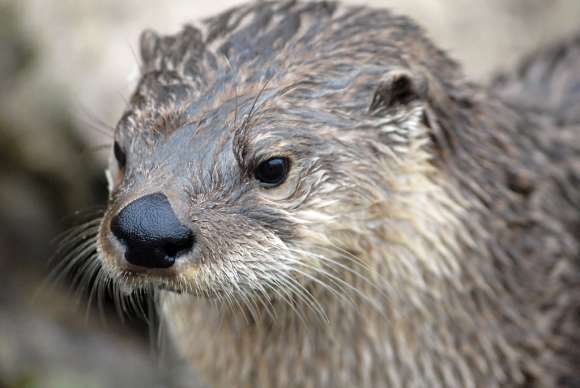
River otters (Lontra canadensis), also known as North American river otters, are semi-aquatic mammals that live close to freshwater sources like rivers, lakes, streams, and wetlands. They are characterized by their long, slender bodies, short legs, and strong tails, which make them well-adapted for a life in and around water. River otters usually grow to be about 1 meter (3-4 feet) in length, including their thick, muscular tails, and weigh around 10–14 kilograms (22–31 pounds).
Their dense, waterproof fur—dark brown with lighter patches on the neck and belly—helps keep them insulated in cold water. The otter’s fur consists of two layers: an undercoat and longer guard hairs that trap air and create a waterproof barrier. This fur is important for survival, particularly in chilly northern habitats. River otters are equipped with webbed feet, a streamlined body, and powerful tails, all of which help them glide swiftly through the water.
Found across North America, from Canada to the United States, river otters seek clean, unpolluted water sources rich in food. They rely on rivers and lakes with plenty of fish, crustaceans, and other small animals to sustain themselves, making them an indicator species for healthy aquatic ecosystems.
What Do They Eat? Wood?

No. River otters are carnivorous, with a diet primarily consisting of meat from a variety of aquatic creatures. Fish is their preferred meal, but they also feast on crustaceans like crabs and crayfish, as well as frogs, insects, and even small mammals. River otters are known for their skill as hunters, using their sharp claws and powerful jaws to catch and eat their prey.
Otters are remarkably agile underwater and can hold their breath for up to 8 minutes, allowing them to dive and pursue fish at impressive depths. They hunt primarily alone, though they occasionally collaborate in small groups, especially when food is plentiful.
During the winter, river otters adapt by hunting under the ice in frozen lakes and rivers. They access the water by finding or creating air holes in the ice, allowing them to continue feeding even in harsh conditions.
By preying on fish and other aquatic animals, river otters play a critical role in regulating animal populations in their habitats. They often target weaker or sick animals, which helps maintain a balanced and healthy ecosystem. This balance is vital for preventing any single species from dominating and disrupting the environment of the rivers, lakes, and streams they call home.
How River Otters Live
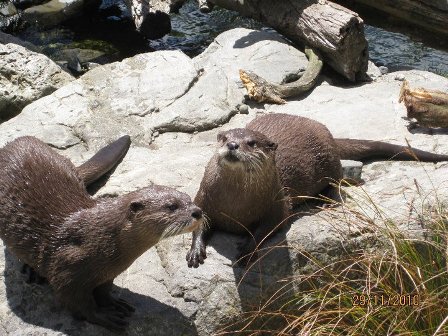
River otters are known for their energetic and playful behavior, often seen sliding down muddy or snowy riverbanks into the water. This behavior is more than just fun—it’s a form of exercise that helps them develop the agility they need to navigate water currents and hunt. Their playful antics, like wrestling and chasing each other, are important for learning important survival skills and building bonds within otter families.
River otters are social animals that usually live in small family groups, which include a mother and her young pups. After a gestation period of about two months, a mother otter typically gives birth to 2 to 4 pups in a den near the water.
These dens, or “holts,” are often burrows that otters dig themselves, or abandoned dens made by other animals. Otters are also known to use natural shelters like hollow logs or undercut riverbanks.
The pups are born blind and helpless but develop quickly under the care of their mother. Within a few weeks, they open their eyes, and by the age of two months, they are ready to take their first swimming lessons. Swimming is not instinctual for otter pups—mothers often coax them into the water and teach them how to navigate it, a skill they master through continuous practice.
River otters can survive in cold environments thanks to a thick layer of fat beneath their skin, which provides insulation and helps keep them warm.
Their webbed feet, sleek bodies, and strong tails make them excellent swimmers. On land, they are capable of running and climbing short distances, though they are much more agile and at ease in the water.
The Importance of River Otters in Nature
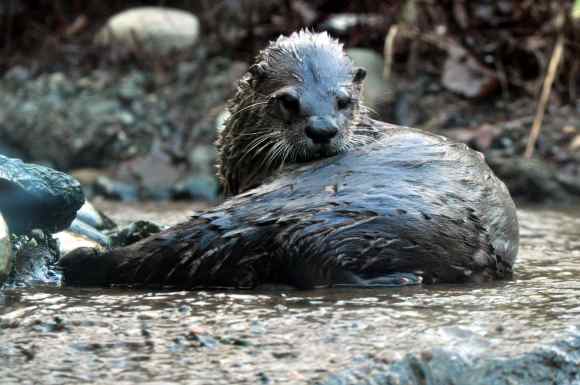
River otters contribute significantly to the health and balance of aquatic ecosystems. As apex predators in their habitats, they help control populations of fish, crustaceans, and other small animals, preventing any single species from overpopulating and exhausting resources. This role is important for maintaining biodiversity, as it allows various species to coexist within a balanced environment.
Beyond their ecological impact, river otters also have a positive effect on water quality. By feeding on certain species and influencing aquatic plant growth, they help promote cleaner, healthier waterways. The presence of otters in a river or lake is often a sign of a healthy ecosystem, as they require clean water and abundant food to thrive.
Unfortunately, river otters face several environmental threats. Pollution, such as chemical runoff and plastic waste, contaminates water sources, making it harder for otters to find clean water and healthy food. Habitat loss due to deforestation, construction, and industrial expansion reduces the number of safe spaces for otters to live and raise their pups.
However, conservation efforts have been successful in many areas. Countries and environmental organizations work to protect river otters by preserving clean water sources, restoring habitats, and establishing protected areas where otters can thrive. In North America, river otter populations are rebounding in many regions thanks to these conservation programs, which focus on habitat restoration and pollution control.
River Otters and Human Connection
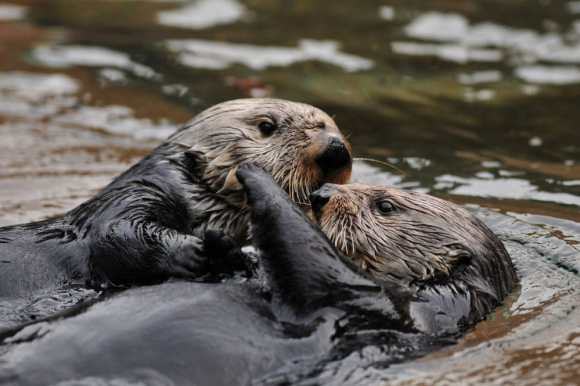
For centuries, river otters have captivated people with their playful behavior and charming appearance. They are often featured in Indigenous folklore, representing agility, curiosity, and adaptability. Many cultures view river otters as symbols of joy and resilience, owing to their energetic nature and ability to adapt to challenging environments.
River otters also benefit ecotourism by drawing wildlife enthusiasts who enjoy observing their natural behavior. Ecotourism focused on otters and other native species promotes environmental awareness, encourages conservation funding, and supports local people.
Some nature reserves and wildlife parks feature river otters as a key attraction, providing educational programs to highlight the importance of preserving these animals and their habitats.
Although river otters rarely interact directly with humans, they are vulnerable to environmental changes caused by human activity. By supporting initiatives to protect rivers, forests, and wetlands, people can help safeguard river otters and ensure these delightful animals remain part of the natural landscape for generations to come.
Sources:
https://kids.nationalgeographic.com/
Leave a Reply