

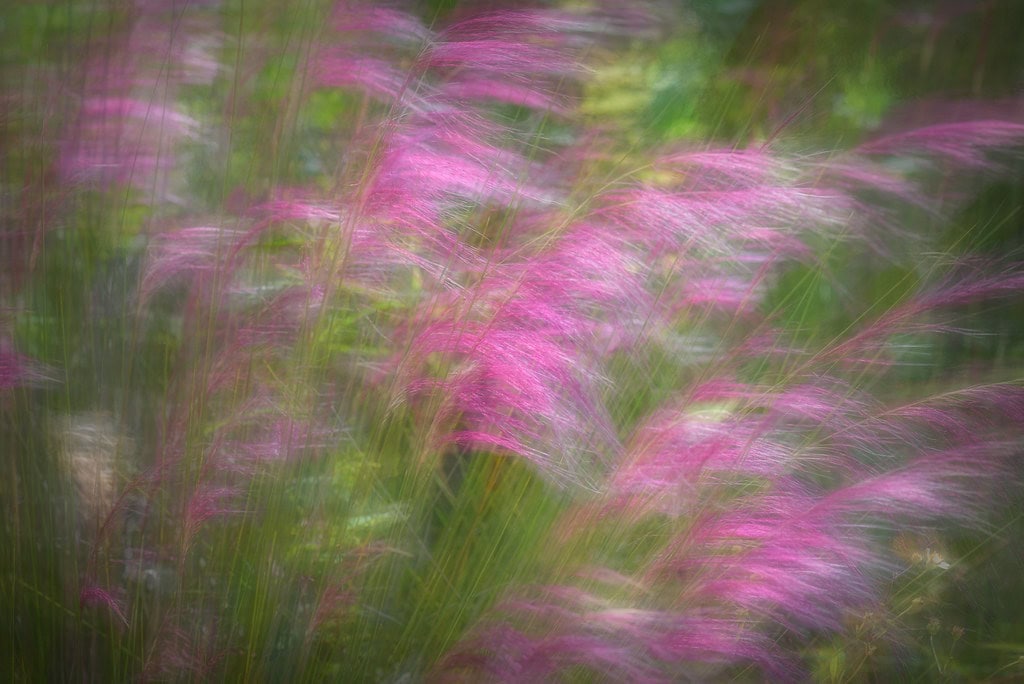
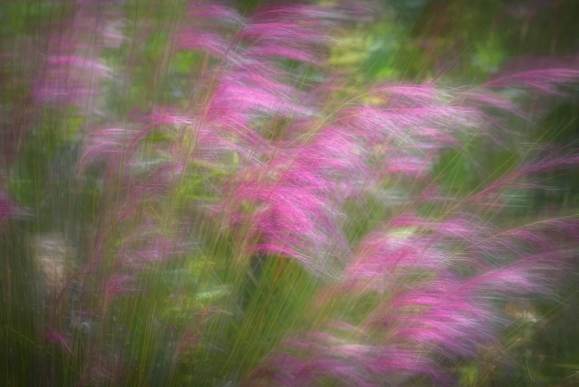
Let’s talk about a species of needlegrass, which has purple colour, called purple needlegrass in a very obvious way. You may find it easily everywhere especially when you are living in California, but maybe not many of you realize how incredible this needlegrass is.
That’s why, here in this article we are going to talk long and detailed about this purple needlegrass. Hope it can tell a short story about how this needlegrass, although looks simple and humble, is an important part of our environment.
Simply Purple Needlegrass
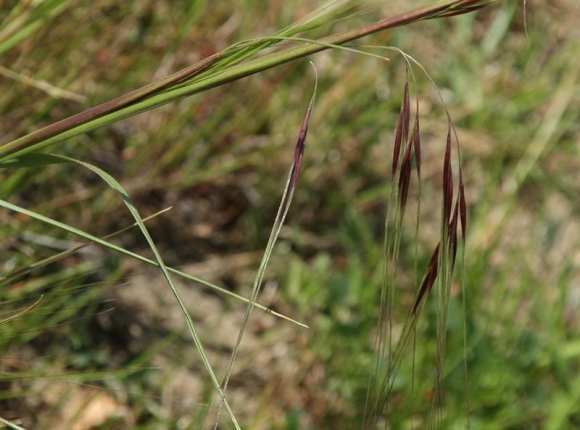
Purple needlegrass (Stipa pulchra), also called Nassella pulchra, is a perennial bunchgrass native to California. This remarkable plant is known for its ecological importance, striking appearance, and resilience in various habitats. As California’s state grass, purple needlegrass has a rich history and plays a key role in maintaining healthy grassland ecosystems.
Purple needlegrass has slender, needle-like leaves and tall flowering stems that can grow up to three feet high. Its most distinctive feature is the long, purple-colored awns, that are part of the seed. These awns help in seed dispersal by catching the wind or attaching to animals.
The plant’s root system is extensive and deep, sometimes reaching over 20 feet. This allows it to access water from deep underground, making it very drought-tolerant. The deep roots also help stabilize the ground and prevent erosion, contributing to grassland health.
We know that deep roots are important to keep the land moist too, right? So that their presence also means a moister soil that supports the lives of other plants with shorter roots.
Purple needlegrass is a cool-season grass, growing actively from late fall to early spring. This growth pattern helps it take advantage of seasonal rainfall. During the hot, dry summer, the grass becomes dormant, conserving energy and resources until favorable conditions return.
Why Purple Needlegrass Matters
Purple needlegrass is crucial for its native ecosystems. As a keystone species, it provides many ecological benefits that support wildlife and plant diversity. One of its main roles is ground stabilization. Its deep roots bind the ground, reducing erosion and promoting ground health. This is especially important in areas prone to erosion, like hillsides and riverbanks.
The plant also contributes to the nutrient cycle. Its deep roots bring nutrients from the subground to the surface, making them available to other plants. When the grass dies back in summer, its decomposing parts enrich the ground with organic matter, improving ground fertility and structure.
Purple needlegrass also has cultural and conservation value. For California Indigenous peoples, it was an important resource used for basket weaving and food. They often managed grasslands with controlled burns to promote the growth of useful plants and keep landscapes open.
Today, purple needlegrass is recognized for its conservation importance. Efforts to restore native grasslands often include reintroducing this species due to its ecological benefits and resilience. Restoration projects aim to create healthy grassland ecosystems that support native biodiversity and provide ecosystem services like ground stabilization, water infiltration, and carbon sequestration.
Preserving purple needlegrass also means protecting and managing its natural habitats. This includes preventing overgrazing by livestock, controlling invasive species, and promoting sustainable land management practices. By conserving purple needlegrass and its habitats, we help save the biodiversity and ecological functions of these landscapes.
Food for The Animals
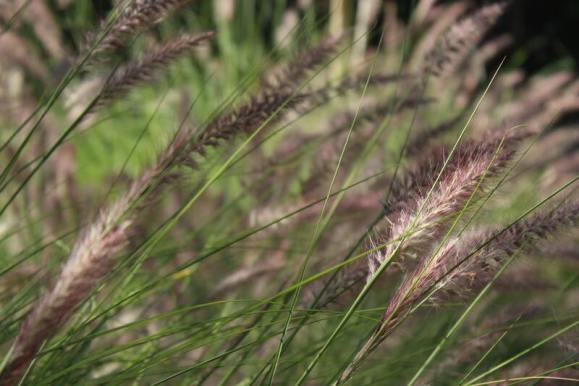
Purple needlegrass provides habitat and food for wildlife. Its dense clumps offer shelter for small mammals, birds, and insects. During its growing season, the grass produces seeds that are important food for birds and small mammals. Grasslands dominated by purple needlegrass also support a rich biodiversity, including many native wildflowers.
In fact, purple needlegrass plays a key role in supporting wildlife, including deer and elk, by serving as a crucial food source. For livestock, it provides a moderately nutritious and highly palatable option, particularly early in the growing season when its leaves are fresh and green.
However, as the plant matures, its seeds develop sharp tips and awns, which can pose a risk to grazing animals. This risk is temporary, as the seeds typically fall off within a month of maturing, and with proper pasture management, these issues can be minimized.
Despite its benefits, purple needlegrass is not a dominant forage for livestock across most of its range. Livestock tend to avoid it later in the season, likely due to its lower preference compared to other more palatable native species.
This lower preference contributes to the persistence of purple needlegrass in abundance, as it faces less grazing pressure compared to other, more desirable forage plants. But when the grazing phase is over, purple needlegrass plays another role, as its beautiful colour can be a beautiful landscaping for an area.
Resilience
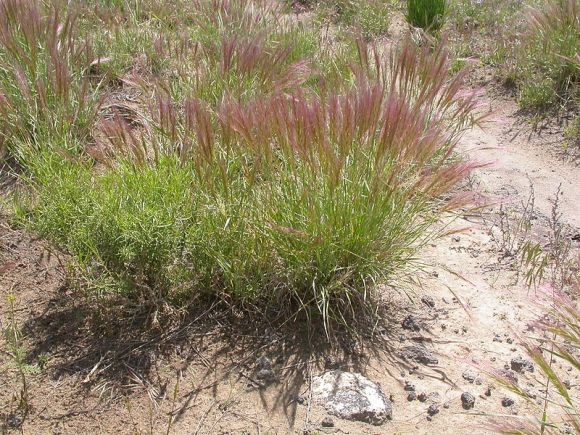
Purple needlegrass is highly adaptable and resilient. It can thrive in various environments, especially in California’s Mediterranean climate with wet winters and dry summers. Its deep root system helps it survive droughts by accessing deep ground moisture.
The grass is also fire-adapted. It can survive and thrive after wildfires, that are a natural part of many grassland ecosystems. The plant’s seeds can withstand high temperatures, and it can quickly regenerate from its root crown after a fire, maintaining grassland stability.
Another important adaptation is its ability to compete with invasive species. Many California grasslands are threatened by invasive grasses. However, purple needlegrass resists invasion well, especially in well-managed habitats. Its deep roots and seasonal growth give it an edge over many invasive species.
Purple needlegrass is a interesting and valuable species that highlights the beauty and resilience of native grasslands. Its tall flowering stems and purple awns make it a striking plant. Beyond its beauty, purple needlegrass plays a important role in stabilizing ground, supporting wildlife, and maintaining grassland health.
Understanding and appreciating the ecological and cultural significance of purple needlegrass can inspire efforts to protect and restore native grasslands. By conserving this species, we help save biodiversity, ecosystem services, and the natural heritage of regions where it thrives.
As we face environmental challenges, the resilience and adaptability of purple needlegrass offer valuable lessons for sustainable land management and conservation practices.
Sources:
Leave a Reply