


The tea tree, also known by its scientific name Melaleuca alternifolia, is a small tree or shrub native to Australia. Unlike the ‘tea’ that we usually drink, tea tree actually comes from Australia. It is part of the Myrtaceae family, which includes many other important plants.
Again, unlike the tea that we usually drink, the tea tree is famous for its essential oil. The oil, has been used for centuries for medicinal purposes.
Introduction to Tea Tree

The tea tree is found mainly in the coastal regions of New South Wales and Queensland in Australia. It grows naturally in wet, marshy areas and along riverbanks, where the soil is moist and well-drained. These trees thrive in subtropical and tropical climates, making the Australian landscape perfect for their growth.
The tea tree is evergreen, meaning it keeps its leaves all year round. It typically grows up to 6 meters (about 20 feet) tall but can remain smaller depending on the environment. Its leaves are long, narrow, and pointed, giving it a wispy, soft appearance. The bark of the tea tree is flaky, peeling off in thin layers.
One of the tea tree’s most notable characteristics is its strong, aromatic smell. This smell comes from the essential oils stored in the leaves. The leaves are where the magic happens, as they contain the oils that give the tree its well-known healing properties. Aboriginal Australians have been using the tea tree for centuries, long before it became popular around the world.
Tea trees also bloom with small white or cream-colored flowers that grow in clusters, creating a delicate, fluffy appearance. While they are not particularly showy compared to other flowering plants, these blooms attract insects and play a role in local ecosystems.
What’s Unique of Tea Tree
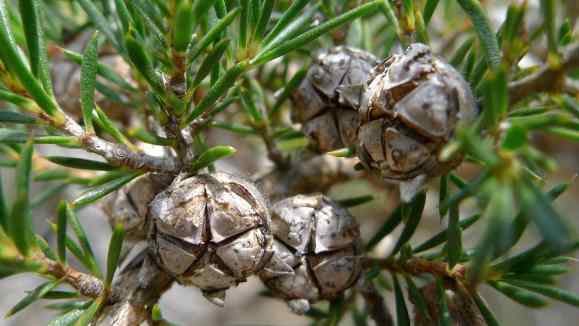
One of the most remarkable things about the tea tree is its essential oil, which is extracted from the leaves through steam distillation. Tea tree oil is known for its antimicrobial, antifungal, and antiviral properties. This makes it useful for treating a variety of skin conditions, infections, and even household cleaning.
The indigenous people of Australia, particularly the Bundjalung tribe, have a long history of using tea tree leaves for medicinal purposes. They would crush the leaves to extract the oil and use it to treat cuts, burns, and insect bites. They also made tea from the leaves, which is where the tree gets its common name, although tea tree leaves are not related to the tea we drink.
Modern research has confirmed what indigenous cultures have known for generations: tea tree oil is powerful. Its antimicrobial properties make it an effective remedy for acne, dandruff, and fungal infections like athlete’s foot. The oil is also used as a natural insect repellent. Unlike many chemical products, tea tree oil is non-toxic when used properly, making it a popular choice for those looking for natural alternatives.
However, while tea tree oil is extremely useful, it is also very strong. It should never be swallowed, and when applied to the skin, it is usually diluted with a carrier oil like coconut or olive oil to prevent irritation.
Tea Tree in Modern Uses
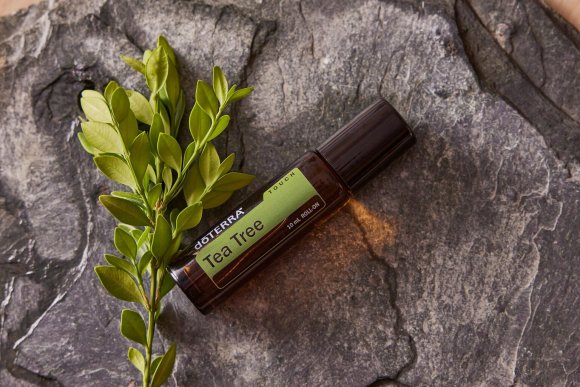
Today, tea tree oil is a key ingredient in many skincare and beauty products. You can find it in shampoos, face washes, and creams aimed at treating acne or other skin conditions. Its ability to reduce inflammation and kill bacteria makes it especially popular for treating acne-prone skin. Additionally, its antifungal properties help with dandruff control and scalp health.
Beyond beauty products, tea tree oil has several medicinal uses. It is often used as a natural antiseptic to clean small wounds and cuts. Some people also use it to treat infections, such as nail fungus or minor respiratory infections. Because it has such a wide range of uses, it is considered a must-have in many natural medicine cabinets.
Tea tree oil also has household uses. It can be added to cleaning products to naturally disinfect surfaces or to laundry to freshen clothes. The strong aroma of tea tree oil even makes it effective at repelling insects like mosquitoes and lice.
The tea tree industry is also sustainable. Cultivating tea trees doesn’t require heavy use of pesticides, and many farmers practice sustainable growing methods to protect the environment. The leaves are harvested without damaging the trees, allowing them to continue growing and producing more oil over time. This makes tea tree oil an environmentally friendly option compared to some synthetic alternatives.
Environmental Role and Conservation
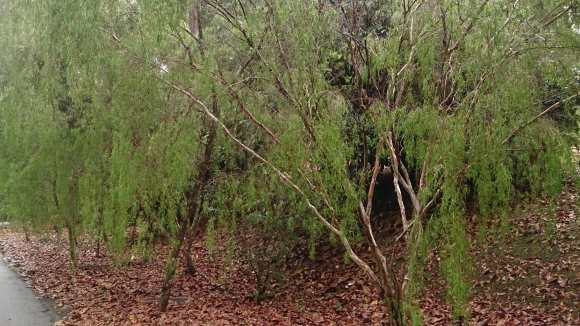
Tea trees play an important role in the local ecosystems where they naturally grow. In their native Australian environment, tea trees provide habitats for various insects, birds, and small animals. Their flowers are particularly attractive to pollinators like bees and butterflies, which helps support the local biodiversity.
Because tea trees grow in wetlands and along rivers, they also help prevent soil erosion. Their roots stabilize the soil, protecting it from washing away during heavy rains. This makes tea trees an important part of maintaining healthy landscapes in the areas where they grow.
However, like many plants, tea trees face threats from human activities. Clearing land for agriculture or development can destroy the natural habitats where tea trees thrive. Overharvesting can also become a problem if not managed carefully, though most tea tree farms practice sustainable methods to avoid this.
Conservation efforts are focused on protecting the natural wetlands and forests where tea trees grow. In Australia, there are several protected areas where tea trees are allowed to grow naturally. Additionally, encouraging sustainable farming practices ensures that the tea tree industry can continue to thrive without harming the environment.
To support conservation, individuals can buy tea tree products from companies that use sustainable practices and avoid buying products made from wild-harvested plants that may threaten natural populations.
The tea tree is an incredible plant with a rich history and many modern uses. Its unique essential oil, healing properties, and role in ecosystems make it a valuable resource both for humans and nature. Whether it’s being used in skincare, medicine, or environmental conservation, the tea tree continues to play a significant role in our world.
Sources:
Leave a Reply