

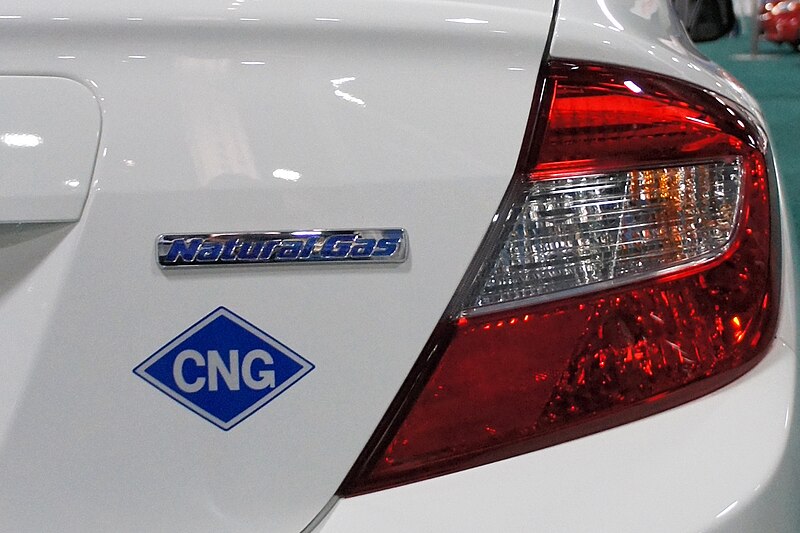
Compressed natural gas (CNG) has emerged as a cleaner alternative to traditional fossil fuels like gasoline and diesel, especially for medium- and heavy-duty vehicles. However, as the global transition to cleaner energy accelerates, the role of CNG in transportation faces increasing scrutiny.
This short article will accompany you to learn more about the benefits and drawbacks of CNG, compares it with other emerging technologies like electric vehicles (EVs), and considers its future in a decarbonizing world.
Interested? Well, let’s talk more about this topic, the CNG Vehicles, until we can understand more about it and consider whether it is still a relevant topic to talk about or not when we are fighting the best to move away from the dirty and harmful fossil fuel.
Understanding CNG Vehicles
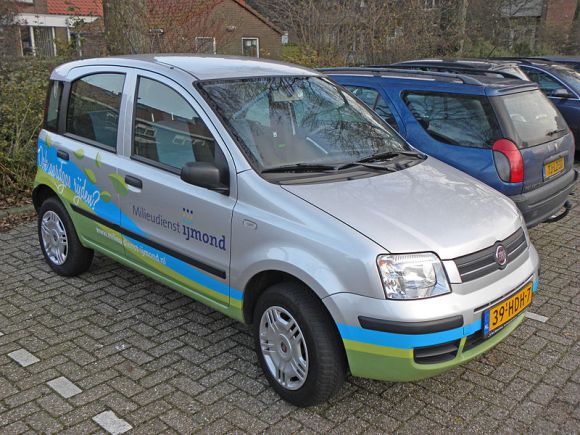
CNG vehicles run primarily on compressed natural gas, a fuel made by compressing methane to reduce its volume for transportation use. These vehicles fall into two categories which are CNG-Only Vehicles that’s exclusively powered by natural gas and Bi-Fuel Vehicles which are equipped with two fuel tanks, allowing them to switch between CNG and gasoline or diesel.
CNG vehicles are predominantly used in medium- and heavy-duty applications such as buses, garbage trucks, and delivery vehicles. In countries like India, CNG is widely used for public transportation due to its lower emissions compared to diesel.
Global Adoption
While only 2% of vehicles globally run on CNG, adoption has grown significantly, with approximately 28.5 million CNG vehicles in use by 2019, largely concentrated in China, Iran, and India. This growth has been fueled by government initiatives, especially in urban areas where air quality is a pressing concern.
Advantages of CNG Vehicles
- Cleaner Emissions
CNG vehicles emit 15% to 27% fewer greenhouse gases than gasoline and diesel vehicles. Additionally, particulate matter (soot) and nitrogen oxide emissions are significantly reduced, improving air quality, especially in polluted urban areas.
- Cost Savings
Lower Production Costs: CNG is cheaper to produce, requiring no distillation and less energy for extraction compared to gasoline.
Lower Operating Costs: Over a five-year period, CNG vehicles can save fleet operators thousands of dollars in fuel costs. For example, CNG refuse trucks in Canada saved an average of $77,230 U.S. compared to diesel trucks.
- Energy Independence
Using domestically produced natural gas reduces dependence on imported oil, contributing to energy security for countries like the U.S. and India.

Drawbacks of CNG Vehicles
- Lower Energy Efficiency
CNG is 3.5 times less energy-dense than gasoline, requiring larger fuel tanks that take up valuable vehicle space and add weight. This makes CNG vehicles less fuel-efficient, especially for heavy-duty applications.
- Emissions During Idling
In some use cases, such as refuse trucks, high idling times can result in increased emissions of unburned methane, a potent greenhouse gas. Methane leaks during extraction and transportation further undermine the environmental benefits of CNG.
- Limited Refueling Infrastructure
With only 865 CNG refueling stations in North America, compared to over 47,000 EV charging stations, limited infrastructure restricts the use of CNG vehicles to specific routes or fleets.
- Price Volatility
Global natural gas prices are subject to fluctuations, as seen in India, where rising costs in 2022 dampened enthusiasm for CNG vehicles. Such price volatility affects the financial viability of long-term investments in CNG technology.
Alternatives to CNG Vehicles
- Electric Vehicles (EVs)
EVs are increasingly viewed as the future of clean transportation. They emit zero tailpipe emissions and offer superior efficiency compared to CNG vehicles.
Advantages:
Lower greenhouse gas emissions over their lifecycle, especially when powered by renewable energy.
Extensive public charging infrastructure in many regions, including Europe and the U.S.
Challenges:
High upfront costs and dependence on clean electricity for maximum environmental benefits.
- Hydrogen Fuel Cell Vehicles
Hydrogen vehicles emit only water vapor and are ideal for heavy-duty applications due to their long range and fast refueling times. However, the technology remains costly, and hydrogen production is energy-intensive unless derived from renewable sources.
- Improved Internal Combustion Engines (ICEs)
While transitioning to fully electric or hydrogen vehicles, improvements in ICE technology can help reduce emissions from gasoline and diesel engines in the short term.
The Future of CNG Vehicles

CNG has often been promoted as a “bridge fuel” to reduce emissions during the transition from oil to renewable energy. However, with advancements in EVs and renewable energy, this bridge may be shorter than initially anticipated.
Transitioning Public Fleets
Cities like Los Angeles, which previously replaced diesel buses with CNG, are now moving toward fully electric fleets. Clark County, Nevada, has pledged to convert 80% of its fleet to electric vehicles by 2030 and 100% by 2050.
Challenges for CNG Adoption
Environmental Concerns: Methane leakage during extraction and use diminishes the climate benefits of CNG.
Technological Advances in EVs: As battery technology improves and costs decrease, EVs are becoming increasingly competitive, especially for fleet applications.
Frequently Asked Questions

What is the difference between CNG and LNG?
CNG: Compressed natural gas, stored at high pressure but remains a gas. Used in medium- and heavy-duty vehicles.
LNG: Liquefied natural gas, stored at very low temperatures to become a liquid. Denser and suitable for long-haul trucks, but more expensive to produce and prone to evaporation.
Are there light-duty ones to get?
Unfortunately no. Production of light-duty CNG vehicles in the U.S. ended after the 2022 model year, when Ford ceased offering conversion packages for its F-250 and Transit Connect models.
Does CNG have a smell?
Natural gas is odorless, but an artificial odorant is added to detect leaks as a safety measure.
So, Is CNG Still Relevant?
While CNG offers cleaner emissions and cost savings compared to traditional fuels, its advantages are increasingly overshadowed by the rise of electric and hydrogen vehicles. Limited refueling infrastructure, methane leakage, and price volatility further complicate its long-term viability.
In regions with dirty electricity grids, CNG may still serve as a transitional fuel. However, as renewable energy becomes more accessible, the future of transportation is likely to pivot toward fully electric and hydrogen-powered solutions.
For cities, companies, and individuals looking to reduce emissions, it’s important to consider the total lifecycle impact of their transportation choices—an area where CNG is gradually losing its edge.
Sources:
https://timesofindia.indiatimes.com/
Leave a Reply