

In the heart of Central Africa lies Gabon, a country with a profound commitment to safeguarding its invaluable natural heritage while also contributing positively to global environmental efforts.
Through the practice of sustainable forestry management, Gabon is demonstrating a powerful model of environmental stewardship that vibrates far beyond its borders.
Together with chosen caring companies, Gabon is not only preserving their forests but also providing a blueprint for sustainable development that prioritizes the well-being of both people and the planet.
Here is why we need to talk about it.
The Special One
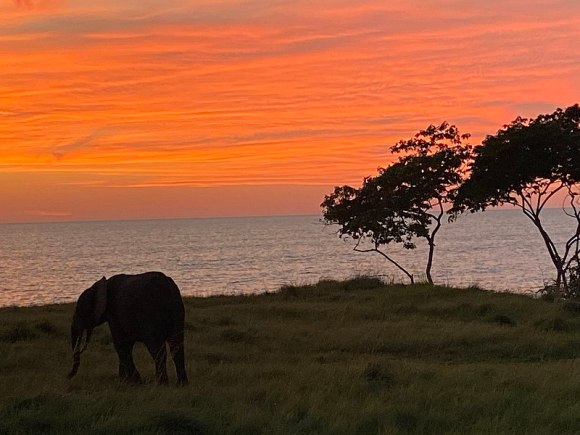
Gabon is doing something very important for the environment. They’re taking care of their forests while also providing wood to make things like lock gates for Amsterdam, a city in the Netherlands. This is called sustainable forestry management, which means they’re making sure they don’t harm the forests when they take wood from them.
One company in Gabon that’s leading the way in sustainable forestry is Precious Woods. They’ve been certified by an organization called the Forest Stewardship Council (FSC). This certification is like a gold star that shows they’re doing a good job of taking care of the forests.
At Precious Woods, they’re really careful about how they cut down trees. They only take a few trees from each area, and they plant new ones to replace the ones they cut down. In fact, for every tree they cut, they plant nine new ones! This helps keep the forest healthy and growing.
But it’s not just about the trees. Precious Woods also looks after the animals and plants that live in the forest. They set aside special areas where animals can live and breed safely. They even pay attention to the local communities, making sure they’re okay with what’s happening in the forest.
So, when wood from Gabon’s forests is used to make things like Amsterdam’s lock gates, people can feel good knowing that it’s not harming the environment. Gabon is showing that it’s possible to use natural resources responsibly while still helping communities and industries around the world.
Gabon in Congo Basin
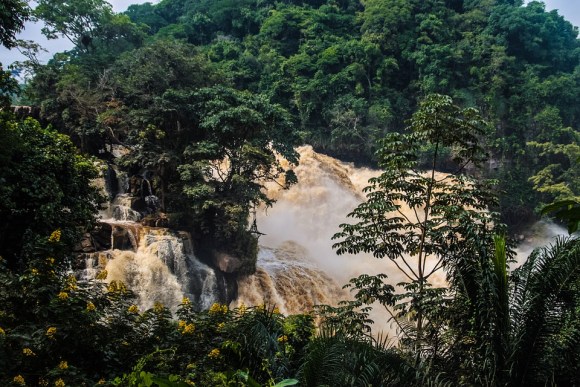
The Congo Basin is a huge area in Central Africa that’s home to one of the world’s largest rainforests. This forest is really important because it’s like the Earth’s lungs – it breathes in carbon dioxide and gives out oxygen, which helps keep our planet healthy. But there’s a big problem happening there: deforestation.
Deforestation means cutting down trees, and it’s happening a lot in the Congo Basin. This is a big concern because when trees are cut down, they can’t absorb carbon dioxide anymore, which leads to more carbon dioxide in the air. This is bad for the environment because it makes global warming worse and harms wildlife.
One country in the Congo Basin, the Democratic Republic of Congo (DRC), has seen a lot of deforestation. This is worrying because the rainforest there is being lost at a fast rate. When trees are cut down, animals lose their homes, and plants lose their habitat. It also means less oxygen for us to breathe and more carbon dioxide in the air, which contributes to climate change.
But there’s some good news too. Gabon is doing things differently. They’re working hard to protect their forests and have even reached net-zero emissions, which means they’re not adding more carbon dioxide to the atmosphere than they’re taking away. This is really important for fighting climate change and saving the environment.
So, while deforestation is a big problem in some parts of the Congo Basin, countries like Gabon are showing that it’s possible to protect the rainforest and still have a thriving economy. It’s all about finding the balance between using natural resources and keeping the environment safe for future generations.
Precious Woods and Gabon
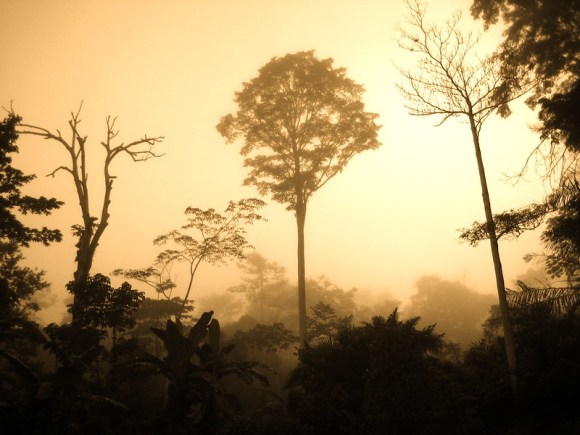
At Precious Woods, a company in Gabon, they’re doing something special when they cut down trees. Instead of just taking as many trees as they want, they’re being careful. They only cut a few trees from each area, and for every tree they cut down, they plant nine new ones! This helps keep the forest healthy and growing.
But it’s not just about the trees. Precious Woods also looks after the animals and plants that live in the forest. They set aside special areas where animals can live and have babies safely. This means the animals have a home, and the forest stays balanced.
The company also cares about the people who live nearby. They make sure to listen to what the local communities want and need. They even help by building schools and paying for teachers’ salaries and housing. This means that people who live near the forest have better lives because of the company’s work.
So, when you buy wood from Precious Woods, you know it’s not hurting the environment or the people who live there. It’s a good example of how a company can make money while still being kind to the planet and the people who depend on it.
Using the Woods
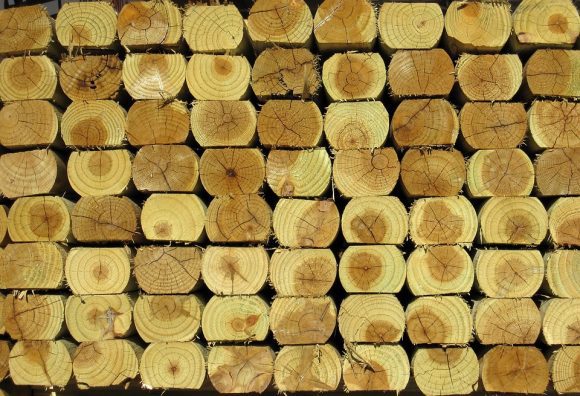
Using wood from forests to build things like Amsterdam’s lock gates might seem like a problem for the environment. But in reality, when the wood comes from places like Gabon where they’re careful about how they cut down trees, it’s actually good for the planet.
When trees are grown and harvested responsibly, they can help fight climate change. That’s because trees absorb carbon dioxide, which is a gas that contributes to global warming. So, by planting new trees to replace the ones that are cut down, companies like Precious Woods are helping to take carbon dioxide out of the air and keep our planet cooler.
Also, using wood instead of other materials like metal or concrete can sometimes be better for the environment. Wood is renewable, which means we can grow more trees to replace the ones we use. Metal and concrete, on the other hand, often require a lot of energy to make and can’t be replaced as easily.
So, when Amsterdam’s lock gates are made from wood, it’s not just a good choice for the city’s safety – it’s also a good choice for the environment. It’s an example of how we can use natural resources in a way that’s sustainable and helps protect the planet for future generations.
Sources:
https://origin-congo.wwf-sites.org
Leave a Reply