

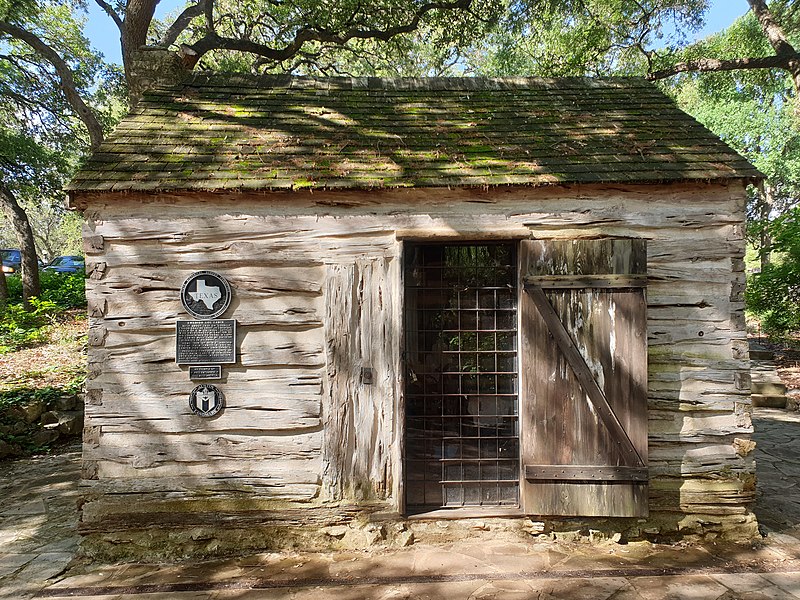
What do you do each day to reduce your household’s and housing carbon footprint? Do you think about the long-term consequences of unsustainable practices or do you consider them a problem for future generations?
The world is slowly moving toward creating a more sustainable future. The longer we have existed as a species, the more we have seen what overconsumption of resources can do. The Earth is not a supply of infinite resources, so we must learn to take better care of the planet so that the future is bright for all.
While the decisions you make may not be impacting the planet on a macro scale, every little bit helps. It starts with how you lead your life.
Hopefully, you want to leave a legacy of taking better care of the environment you live in. The type of home you have is one way to focus on your sustainable living goals. Specifically, life in a log cabin can be very appealing for environmentally-conscious families.
Let’s dive into what this lifestyle is and why it is better for the planet.
Housing Materials
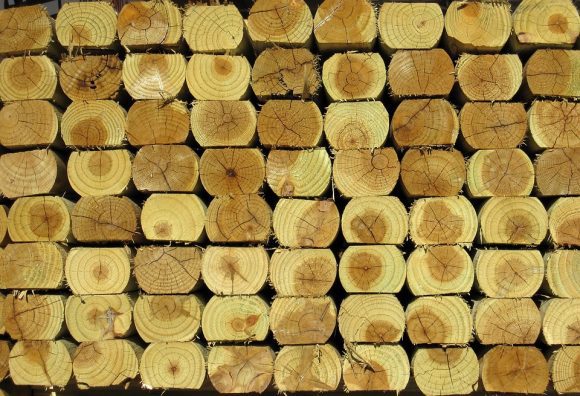
Let’s start with the most obvious indicator of a log cabin…the logs. Many homes are built with a combination of building materials, some of which are more sustainable than others. What makes log cabins unique is that they are made entirely out of wood, which is a completely renewable resource.
The trees that are used to construct the home can be replaced by planting new trees. Other materials may use non-renewable resources, such as clay, limestone, and polystyrene foam. Since the main structure of your home will be entirely constructed of renewable materials, your impact on the environment is reduced.
Better Care for the Land
Log cabins are usually smaller than traditional homes. That means their physical presence on a plot of land is smaller. Similar to the sustainable lifestyle of tiny home enthusiasts, a smaller structure means fewer resources are consumed to construct the building.
Additionally, since the building is smaller, less land is negatively impacted by the construction of the home. The more land you can preserve in its natural state as a homeowner, the smaller your impact will be on the environment.
It may not seem like it will make a huge difference in the grand scheme of things, but when more people take these smaller steps, the impact will become greater.
Embracing an Independent Lifestyle

Plenty of people enjoy life in a log cabin as a housing without abandoning many of the perks of modern life. However, many others prefer to uphold a lifestyle that is reminiscent of a simpler time. Log cabins evoke feelings of the wilderness and life on the frontier when the only thing people used to build homes was wood from nearby trees.
You can embrace this type of lifestyle in part or completely to reduce your carbon footprint. Grow fruits and veggies at home to reduce waste and provide a healthy option for your family.
Install a wind turbine or solar panels to reduce your home’s reliance on the public electricity grid and become more self-sufficient. The more you embrace the independence that is common among log cabin owners, the more eco-friendly your lifestyle will be.
Ease of Construction
Another benefit to log cabin living is the ease with which these structures are built. You can construct an entirely new log cabin in a much shorter timeframe, allowing you to get started with your eco-friendly lifestyle sooner.
Want to skip the construction process entirely and go small? You could search for park model homes for sale and have a log cabin delivered straight to your property and put up immediately. Perhaps you are more interested in a log cabin for profits.
These small, rustic homes are a great option as a vacation rental if you live in an area that is popular with travelers. With a simple and quick construction process, you will not have to wait long months or years before the building is ready to be occupied.
Embrace a More Sustainable Housing Solution

Life in a log cabin for housing is not for everyone. If you pursue the most rustic experience, then the usual amenities of a traditional home may be missing. With less insulation, heating solutions must be thought out and efficient.
However, your impact on the environment will be greatly reduced. If you want to pursue a more eco-friendly lifestyle, then building a log cabin to live in is a great housing alternative to consider.
You can get more in touch with nature, take better care of the land around you, and embrace a simpler lifestyle that rejects the frenetic pace of modern society. For some, that concept alone is enough to convince them to go all in on life in a log cabin.
Leave a Reply