


Latin America is taking decisive steps to address food insecurity through a comprehensive approach that encompasses sustainable farming practices, technology adoption, community engagement, and robust government initiatives.
With a keen focus on preserving natural resources, the region is championing sustainable agriculture methods like crop rotation, agroforestry, and organic farming. Concurrently, Latin America is embracing innovative technologies such as precision farming, leveraging GPS-guided tractors and data analytics to optimize resource use.
Communities actively participate in the food supply chain through cooperative networks, bolstered by educational programs. Governments are playing a pivotal role by providing subsidies, investing in infrastructure, and refining policies to promote responsible land management.
This holistic strategy underscores Latin America’s commitment to building a resilient and sustainable food production system for present and future generations. Want to learn more? Continue reading.
Sustainable Farming in Latin America
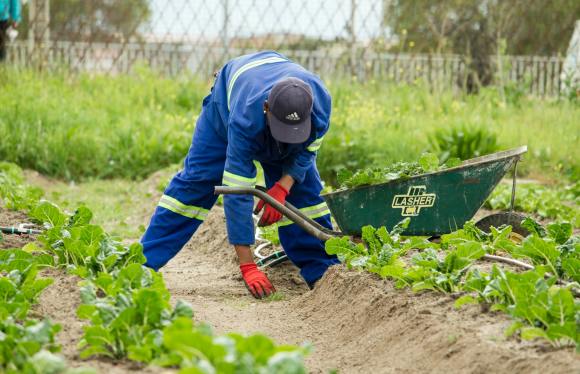
Latin America is actively addressing food insecurity through a concerted effort to promote sustainable farming practices. This approach revolves around cultivating food in a manner that meets present needs without compromising the ability of future generations to meet their own requirements.
The region recognizes the importance of preserving its natural resources, such as soil and water, to ensure the long-term viability of agricultural activities. Sustainable farming in Latin America involves practices like crop rotation, agroforestry, and organic farming.
Crop rotation helps maintain soil fertility by alternating the types of crops grown in a specific area over time. Agroforestry integrates trees and shrubs into farming systems, providing multiple benefits such as improved soil structure, biodiversity, and carbon sequestration.
“While big companies talk about value, for us, that whole ecosystem, which is a living thing, is priceless,” as stated by Uyunkar Domingo Peas Nampichkai, President of the Board of Directors at the Amazon Sacred Headwaters Alliance (Cuencas Sagradas Amazónicas).
Organic farming avoids synthetic pesticides and fertilizers, relying on natural methods to enhance soil health and minimize environmental impact. Furthermore, Latin America is promoting the use of innovative technologies to enhance the sustainability of agriculture.
Precision farming, for instance, utilizes advanced technologies like GPS-guided tractors and drones to optimize the use of resources such as water and fertilizers. This not only increases efficiency but also reduces the environmental footprint of farming activities.
Technology Adoption
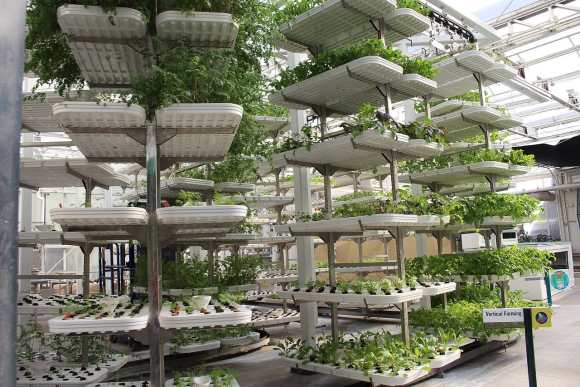
Latin America is making significant strides in addressing food insecurity by embracing technological advancements in agriculture. The region recognizes that the integration of modern tools and techniques is crucial for increasing efficiency and enhancing food production to meet the growing demand.
One key aspect of this technology adoption is precision farming. This approach utilizes cutting-edge technologies such as GPS-guided tractors, drones, and sensor-based systems to optimize various aspects of agriculture.
Farmers can precisely manage the distribution of water, fertilizers, and pesticides, reducing waste and environmental impact. This not only improves resource efficiency but also contributes to higher crop yields.
The implementation of technology in agriculture extends beyond precision farming. Latin America is also leveraging data analytics and machine learning to analyze vast amounts of information related to weather patterns, soil conditions, and crop health.
This data-driven approach enables farmers to make informed decisions, anticipate challenges, and proactively manage their crops for optimal results. By adopting these technological innovations, Latin America is not only enhancing productivity but also ensuring the sustainability of its agricultural practices.
This commitment to modernizing the agricultural sector is a crucial step in overcoming food insecurity and building a resilient food production system for the region.
Local Latin America Community

Latin America is actively combating food insecurity by fostering community engagement in addressing the challenges of food production and distribution. Recognizing the importance of a collective effort, local communities are coming together to share knowledge, resources, and support, creating a collaborative approach to ensure food security for all.
Community engagement involves initiatives that empower individuals to actively participate in the entire food supply chain. This includes activities like community-based agriculture, where local residents contribute to farming efforts and share the produce.
“Indigenous territories are the best preserved in the Amazon because we make respectful use of our territory and natural resources,” Fany Kuiru, General Coordinator, Coordinating Body of Indigenous Organisations of the Amazon Basin (COICA) stated, as quoted from World Economic Forum.
By promoting shared responsibilities and pooling resources, communities can enhance their capacity to produce a diverse range of foods and address specific local needs. Moreover, Latin American communities are establishing cooperative networks that facilitate the exchange of skills and resources.
Farmers, for instance, may collaborate on planting schedules, crop rotation plans, and sustainable farming practices. This collective approach not only improves agricultural outcomes but also strengthens community bonds and resilience.
Additionally, educational programs within communities play a vital role. These programs focus on imparting knowledge about sustainable farming practices, efficient water usage, and nutrition. By empowering individuals with the necessary skills, communities can independently manage and enhance their local food systems.
Of Course, Government Initiatives

Governments in Latin America are implementing robust initiatives to tackle food insecurity, recognizing the pivotal role of policy and governance in ensuring widespread access to sufficient, safe, and nutritious food.
These governmental efforts are multifaceted, encompassing a range of strategies aimed at supporting sustainable agriculture, improving food distribution networks, and enhancing overall food security.
One significant aspect of government initiatives is the provision of subsidies to farmers. These financial supports aim to make essential resources such as seeds, fertilizers, and equipment more affordable, thereby encouraging increased agricultural productivity. By easing the financial burden on farmers, governments contribute to the stability and growth of the agricultural sector.
Infrastructure development is another key focus. Governments are investing in upgrading transportation networks, storage facilities, and irrigation systems. Improved infrastructure enhances the efficiency of food distribution, reducing post-harvest losses and ensuring that food reaches consumers in a timely and reliable manner.
This is particularly crucial in remote or underserved areas. Furthermore, policies related to land use and tenure are being refined to promote sustainable farming practices. Clear regulations and incentives are designed to encourage responsible land management, protect natural resources, and promote environmentally friendly agricultural methods.
Leave a Reply