

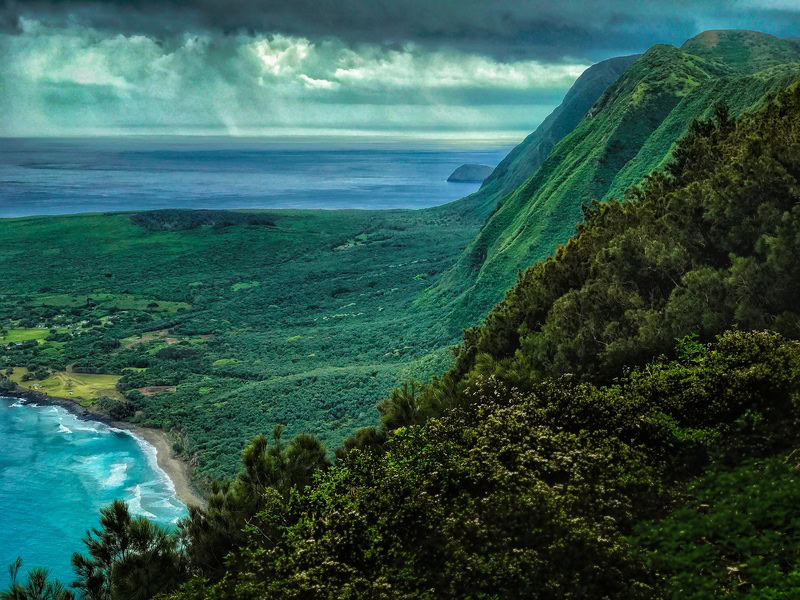
In the Hawaiian language, the word malama means “to care for” or “to protect.” But it means more than just being kind or helpful. It is a way of life that teaches people to take care of the land, the sea, the animals, and each other.
In Hawaii, many people try to live by this idea every day. For travelers visiting the islands, there is a special program called the Malama Hawaii program. This program invites tourists to help local communities and the environment.
They can join beach cleanups, help plant native trees, or support local farms. In return, some hotels offer free or discounted nights for those who volunteer.
This idea helps both visitors and locals. Tourists learn more about Hawaiian culture and give back. Locals get support for important projects. Everyone wins—and the land becomes healthier.
A Family Experience
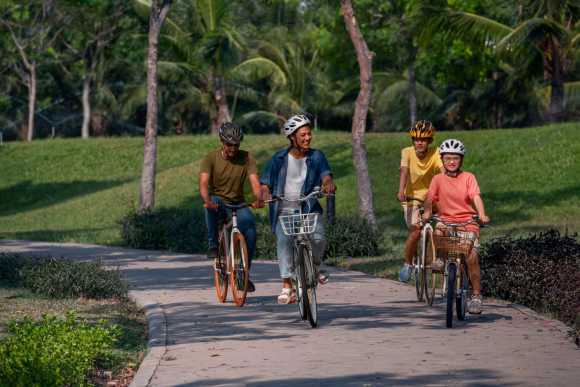
During a trip to Kaua’i, one of the Hawaiian islands, a family visited the Waipa Foundation. This is a non-profit group that protects nature and teaches people about traditional Hawaiian farming. The foundation is located on Kaua’i’s green and beautiful North Shore.
At Waipa, the family helped make poi, a thick paste made from taro root. Taro is like a potato and is very important in Hawaiian history. Long ago, Hawaiians believed taro came from a child of the Earth Mother and Sky Father.
That child became the first taro plant, and the second child became the first human. Because of this, taro is more than food—it’s family. At Waipa, the family washed, peeled, and cut the taro. Then, they watched it being ground into poi.
Later, they drank warm tea made from mamaki leaves and listened to stories from their guide, Kelsey Ke’alohilani Rogers. She explained that making poi is not just about food. It’s about helping local people, sharing culture, and respecting the land.
The foundation offers farm tours and volunteer days. Visitors can help plant trees, remove weeds, and work in gardens. These activities are fun and educational, especially for children.
The Roots of Malama in Hawaiian History

Hawaii is the most remote island group in the world. It is about 3,850 km (2,390 miles) from California. Long ago, before cars and planes, Hawaiians had to be very careful with their natural resources. They created a system called ahupua’a. This system divided the land from mountain to sea, and each part of the land had a purpose. People learned to live in balance with nature.
For example, what happened in the mountains affected the sea. If trees were cut down, the soil would wash into rivers and hurt the coral reefs. So, people protected the forests, cleaned the water, and only took what they needed.
This system taught people to care for the land, or malama ‘aina. The idea was to give more than you take. Today, this idea is coming back. Many Hawaiians believe it is time to return to this way of life. They hope visitors will learn and join in.
Some hotels support the Malama program. For example, the Grand Hyatt Kauai Resort gives a free fifth night to guests who help clean the beach. Another hotel, 1 Hotel Hanalei Bay, partners with groups like the Surfrider Foundation or the local animal shelter. Guests can even take a rescue dog out for a day walk!
Volunteering is a great way to meet locals, learn about the environment, and enjoy Hawaii in a new way.
More Ways to Malama

One of the special places the family visited was Common Ground. This is a farm on Kaua’i that used to grow sugar, but now grows many types of healthy food using regenerative farming. This means the farm works with nature instead of hurting it.
They grow many plants together instead of just one, which keeps the soil rich. At Common Ground, they joined a food tour and had a meal made only from local ingredients.
In Hawaii, about 90% of food is imported from far away. So eating local food helps the island become more self-sufficient. The farm also teaches about malama through a lei-making workshop.
A lei is a necklace made of flowers or leaves. Making a lei is not just a craft—it is a spiritual act. Visitors learn to thank the plants, ask permission before picking them, and connect with nature. Their teacher, Ivory Lloyd, said, “Lei making is a symbol of aloha—love for all living things.”
In Hawaiian culture, many traditions were banned after the islands became a U.S. state in 1959. For a time, people could not speak the Hawaiian language or perform the hula dance. But now, these traditions are coming back. Malama helps keep them alive.
Later, the family joined the Surfrider Foundation for a beach cleanup. They picked up plastic and old ropes, learning how ocean trash harms the islands. Every year, more than 50 tons of debris arrive in Hawaii—some from the Great Pacific Garbage Patch, a giant area of trash in the ocean. After the cleanup, volunteers shared snacks and talked. A rainbow appeared overhead, making the moment feel magical.
Living the Malama Way on Other Islands

On the island of Molokai, the family met a man named Greg Solatario. He lives off the grid in a valley called Halawa. His family has lived there for many generations. He welcomed the family with a traditional Hawaiian greeting: pressing forehead and nose together. Then he showed them ancient villages and stone temples in the forest.
Greg and his son, Devak, blew conch shells to ask permission from the spirits before entering sacred places. This act shows respect for the land and its history. Greg believes everyone should live with malama, not just Hawaiians.
The family also visited Limahuli Garden and Preserve, where visitors can volunteer by planting trees or removing weeds. The garden is part of a project to bring back the ancient ahupua’a system and restore native plants.
Even in places without guides, visitors can practice malama. Shopping at farmers’ markets, eating at local restaurants, and avoiding single-use plastic are all small acts that make a big difference.
By learning and giving back, travelers can help keep Hawaii beautiful for future generations. Malama isn’t just for Hawaiians—it’s a value the whole world can use.
Sources:
Leave a Reply