


Mercury is a toxic metal that can be found in the environment as a result of human activities. It is a potent neurotoxin that can cause severe health problems in humans, including developmental issues in children and cognitive impairments in adults.
Mercury pollution has become a global concern, and scientists are continuously working to understand the sources of this pollution and its impact on the environment. And as we know nowadays, fish in the ocean is one of the sources.
But, is the mercury in our fish products really dangerous to us? Here, in this article, we are going to talk about this.
Mercury Pollution
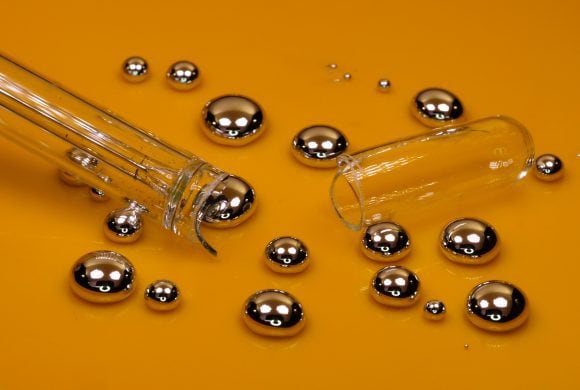
The primary sources of mercury pollution are industrial processes, coal-fired power plants, and artisanal gold mining. These activities release large amounts of mercury into the air and water, where it can enter the food chain and accumulate in fish and other aquatic organisms.
The use of mercury in consumer products such as batteries, thermometers, and fluorescent light bulbs also contributes to its environmental pollution. Mercury emissions from industrial processes and coal-fired power plants can travel long distances before depositing into water bodies.
Once in the water, mercury can be transformed into its most toxic form, methylmercury, by bacteria. This form of mercury is easily absorbed by aquatic organisms, and as these organisms are consumed by larger fish, the levels of mercury in their bodies can become concentrated to dangerous levels and we will talk about it next.
The impact of mercury pollution on aquatic ecosystems is far-reaching. Studies have shown that it can cause reproductive failure, developmental issues, and behavioral changes in fish and other aquatic organisms. These effects can lead to a decline in the overall health of the ecosystem and a decrease in the populations of important species.
Mercury Bioaccumulation in Aquatic Ecosystems

Once mercury is released into the environment, it can become transformed into a highly toxic form called methylmercury. Methylmercury is formed when inorganic mercury is converted by microorganisms in sediment and water.
This process is called methylation, and it happens in wetlands, rivers, lakes, and the ocean. Methylmercury then enters the food chain through tiny organisms that are consumed by larger organisms, and so on, until it reaches top predators such as fish.
Methylmercury accumulates in the body tissues of aquatic organisms, including fish, and this process is called bioaccumulation. The concentration of methylmercury in fish tissue can be much higher than in the surrounding water. This means that large predatory fish, such as tuna, shark, and swordfish, can have very high levels of methylmercury.
The level of methylmercury in fish is influenced by various factors, such as the age and size of the fish, the type of fish, and the location where it was caught. For example, fish from contaminated waters tend to have higher levels of methylmercury than fish from clean waters.
Bioaccumulation of methylmercury can have serious implications for human health, especially for pregnant women and young children. When these vulnerable groups consume fish with high levels of methylmercury, it can harm the development of the nervous system and result in learning disabilities, behavioral problems, and reduced IQ.
The bioaccumulation of methylmercury in aquatic ecosystems is a complex process that results in the accumulation of toxic levels of methylmercury in fish. This poses a significant risk to human health, particularly for pregnant women and young children who consume fish with high levels of methylmercury.
In Fish and Seafood

As mentioned earlier, fish and seafood are the main sources of dietary exposure to methylmercury for humans. High levels of methylmercury in fish can pose a risk to human health, especially for pregnant women, nursing mothers, and young children.
Different types of fish have different levels of methylmercury. Large predatory fish such as shark, swordfish, king mackerel, and tuna tend to have the highest levels of methylmercury. This is because they are at the top of the food chain and have accumulated methylmercury from the smaller organisms they have consumed.
Smaller fish, such as sardines and anchovies, generally have lower levels of methylmercury. The level of methylmercury in fish can also vary depending on where the fish was caught. Fish from contaminated waters may have higher levels of methylmercury than fish from clean waters.
As a result, health authorities often issue fish consumption advisories based on the methylmercury levels in fish from specific water bodies. Consuming fish and seafood can have many health benefits, such as being a good source of protein, omega-3 fatty acids, and other important nutrients.
However, it is important to choose fish with lower levels of methylmercury, especially for vulnerable groups such as pregnant women and young children. Health authorities may provide guidelines on which types of fish are safe to eat and how often they can be consumed.
Health Risks Associated with the Consumption
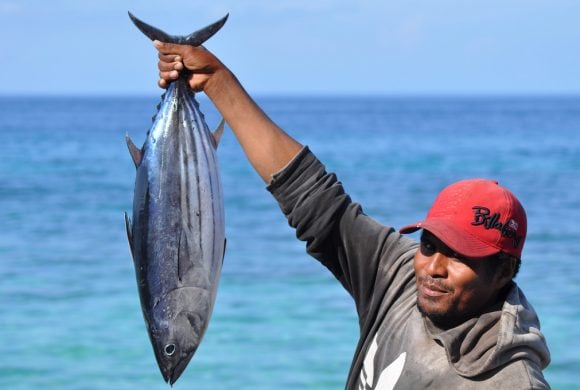
While it’s important to be aware of the potential health risks associated with mercury consumption, it’s also important not to panic. The occasional tuna sandwich or sushi roll is unlikely to cause serious harm. However, for certain groups, such as pregnant women and young children, it’s important to be more cautious.
Mercury is a potent neurotoxin, meaning it can harm the brain and nervous system. In adults, symptoms of mercury poisoning may include tremors, memory loss, and difficulty concentrating. In children, exposure to high levels of mercury can lead to learning disabilities, delayed development, and other serious health problems.
To reduce the risk of mercury poisoning, it’s important to limit consumption of fish and seafood with high levels of methylmercury. This includes large predatory fish such as shark, swordfish, and king mackerel. Instead, opt for fish with lower levels of methylmercury, such as salmon, trout, and sardines.
If you’re pregnant or nursing, it’s especially important to be cautious. High levels of methylmercury can harm the developing brain and nervous system of fetuses and young children. Health authorities may provide guidelines on how much fish is safe to consume during pregnancy and breastfeeding.
In summary, while it’s important to be aware of the potential health risks associated with mercury consumption, there’s no need to avoid fish and seafood altogether. With a little bit of knowledge and common sense, it’s possible to enjoy the many health benefits of fish while minimizing the risk of mercury poisoning.
Leave a Reply