


The construction industry plays a vital role in our world, building the infrastructure and homes we rely on daily. However, it’s also one of the most resource-intensive and environmentally impactful sectors.
With the growing awareness of climate change and environmental degradation, the need for greener, more sustainable construction practices has never been more urgent. For construction companies, the challenge is clear: How can they reduce their environmental footprint while still delivering high-quality projects on time and within budget?
What does “Going green” actually entail?
Going green isn’t just about reducing waste or cutting emissions; it’s about adopting a holistic approach that considers the entire lifecycle of a building, from design and material selection to construction processes and even demolition.
By embracing sustainability, construction companies can not only contribute to a healthier planet but also improve their bottom line. This article explores five practical methods that construction companies can implement today to make their operations more environmentally friendly.
5 Methods to help the construction industry become more sustainable

1. Adopt Sustainable Building Materials
Traditional construction materials like concrete, steel, and bricks have a significant environmental impact due to their energy-intensive production processes. To build greener, companies should consider using sustainable materials that have a lower environmental footprint.
Sustainable materials are those that are sourced responsibly, have a low impact on the environment during production, and are durable enough to last for many years. Some examples include:
- Recycled Steel: Using recycled steel reduces the need for new steel production, which is energy-intensive and emits large amounts of carbon dioxide.
- Bamboo: A fast-growing plant, bamboo is an excellent alternative to traditional wood. It’s strong, flexible, and regenerates quickly, making it a renewable resource.
- Recycled Plastic: Incorporating recycled plastic into construction can help reduce plastic waste and lower the carbon footprint of a project.
- Engineered Wood: Products like cross-laminated timber (CLT) are strong, sustainable alternatives to concrete and steel, offering excellent structural integrity with a lower carbon impact.
By choosing these materials, construction companies can significantly reduce their environmental impact while still maintaining high-quality construction standards.

2. Implement Energy-Efficient Building Designs
Energy efficiency should be a priority from the design phase of any construction project. Incorporating energy-efficient designs not only reduces the environmental impact but also lowers operating costs for the building’s future occupants.
Energy-efficient building designs focus on minimizing energy consumption through various strategies:
- Passive Solar Design: This involves designing buildings that naturally regulate temperature using sunlight, reducing the need for artificial heating and cooling.
- Insulation and Glazing: High-quality insulation and energy-efficient windows help maintain indoor temperatures, reducing the need for heating and cooling systems.
- Green Roofs: Installing vegetation on rooftops helps regulate building temperature, reduces the urban heat island effect, and provides additional green space.
- Daylighting: Maximizing natural light through strategic window placement reduces the need for artificial lighting during the day, saving energy.
By focusing on energy efficiency from the outset, construction companies can deliver buildings that are not only greener but also more cost-effective for their clients.

3. Minimize Waste and Emphasize Recycling
Construction sites are notorious for generating large amounts of waste, much of which ends up in landfills. However, with proper planning and practices, companies can minimize waste and emphasize recycling.
Waste reduction strategies can include:
- Precise Material Ordering: Ordering only the materials needed for the job reduces excess and waste.
- On-Site Recycling: Setting up recycling stations on-site for materials like metal, wood, and concrete can significantly reduce waste sent to landfills.
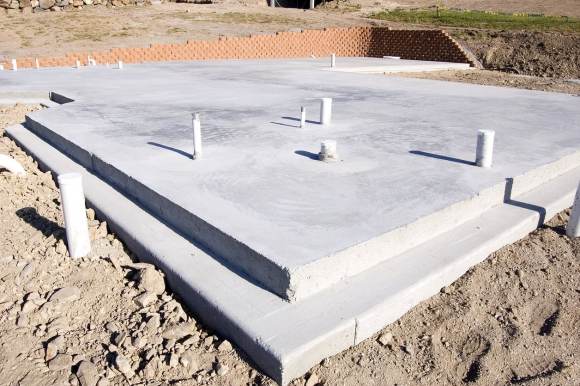
- Modular Construction: Prefabricated components like concrete slabs can be made off-site, reducing on-site waste and allowing for better quality control.
- Deconstruction Over Demolition: Instead of demolishing old structures, consider deconstructing them. This allows materials to be salvaged and reused in new projects.
By minimizing waste and focusing on recycling, construction companies can significantly reduce their environmental impact while also saving on disposal costs.
4. Use Construction Management Software
Modern construction projects are complex, involving many moving parts that need to be managed efficiently. Construction management software can play a key role in making operations greener and more sustainable.
Construction management software offers several benefits that contribute to sustainability:
- Efficient Resource Management: The software helps plan and allocate resources efficiently, reducing waste and ensuring that materials are used optimally.
- Real-Time Monitoring: Monitoring energy usage, waste production, and resource consumption in real time allows for quick adjustments, minimizing environmental impact.
- Improved Communication: Better communication between teams leads to fewer errors, reducing the need for rework, which saves time, energy, and materials.
- Sustainability Reporting: The software can track and report on sustainability metrics, helping companies measure their progress and identify areas for improvement.
By integrating construction management software into their operations, companies can streamline processes, reduce waste, and ensure that sustainability goals are met.

5. Embrace Renewable Energy
The energy consumed during construction and the energy needs of the buildings themselves are significant contributors to a project’s overall carbon footprint. By embracing renewable energy, construction companies can drastically reduce this impact.
Renewable energy strategies can include:
- On-Site Solar Panels: Installing solar panels on construction sites can provide clean, renewable energy to power tools and equipment.
- Wind Energy: Wind turbines, though less common on construction sites, can also provide an effective source of renewable energy, particularly in areas with strong wind conditions.
- Battery Storage: Coupling renewable energy sources with battery storage ensures a reliable power supply, even when the sun isn’t shining or the wind isn’t blowing.
- Green Energy Suppliers: Sourcing electricity from green energy suppliers for both construction activities and the buildings themselves ensures that the energy used is as sustainable as possible.

By leveraging renewable energy, construction companies can reduce their dependence on fossil fuels and lower the carbon footprint of their projects.
By implementing these five methods, construction companies can make a substantial contribution to a greener and more sustainable future. Sustainable building materials, energy-efficient designs, waste minimization, construction management software, and renewable energy are all practical strategies that can be adopted today.
As the industry continues to evolve, the companies that lead the way in sustainability will not only benefit the environment but also position themselves for long-term success.
Leave a Reply