

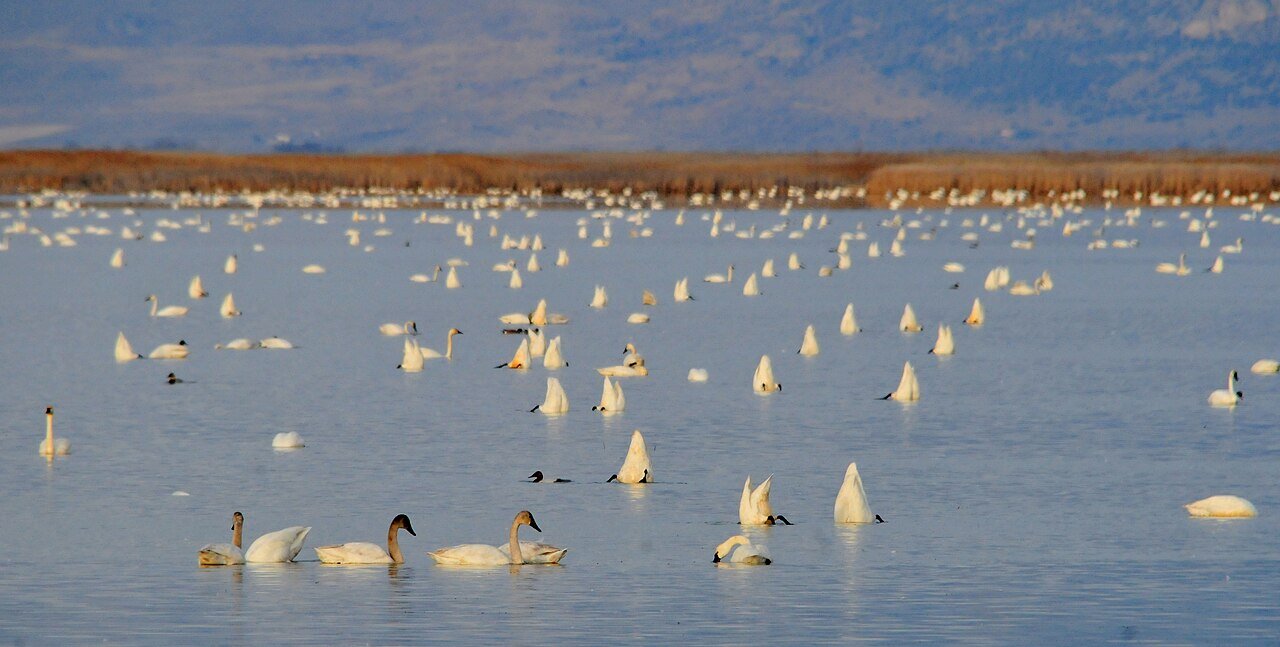
Just last year, a report titled the World’s Migratory Species was shown at the 14th Conference of the Convention on the Conservation of Migratory Species of Wild Animals (CMS).
The report gives us a real insight regarding the global decline of migratory species. At the same time, it showcases the positive impact of current, ongoing conservation efforts.
Executive secretary of CMS Amy Frankel highlighted the significance of the report.
“This is the first ever such report that has been done looking at the state of the world’s migratory species and what it finds, of course, is that overall there are trends that are concerning,” she said.
The report suggests that around half of the assessed migratory species have decreased in population. Alarmingly, 22% of them are facing the threat of extinction.
This underscores the urgent need for stronger global conservation efforts and initiatives.

Multinational cooperation
Since migratory species travel across multiple countries, safekeeping their survival means international collaboration.
“Migratory species can recover if cooperative action is taken to combat these threats to the species and their habitats,” Frankel noted.
In addition, undersecretary general of the UN and executive director of the United Nations Environment Program Inger Andersen underlined the broader implications of the findings.
“Today’s report sets out the evidence that unsustainable human activities are jeopardizing the future of migratory species. The global community has an opportunity to translate this latest science into concrete conservation action,” Andersen stated.
The report calls for a comprehensive conservation strategy, which includes protecting and effectively managing key habitats, tackling illegal and exploitation of migratory species, and addressing pollution impacts.
It also highlights priority recommendations for quicker action. Because as mentioned, worldwide cooperation is necessary to ensure that migratory species won’t only survive but also thrive.
Light at the end of the tunnel

Even though the findings sound grim, the report also highlights the importance of hope, and it offers it.
Kelly Malsch at the United Nations Environment Programme’s World Conservation Monitoring Centre emphasized the potential for reversing the population declines.
“Worldwide migratory species are in decline, but there is hope. If we act now to protect, connect, and restore species populations and their habitats, we can reverse these trends,” Malsch said.
As mentioned, the report also shows successful conservation efforts, like the decrease of illegal bird netting in Cyprus. There’s also the recovery of the Saiga Antelope in Kazakhstan.
Examples like these show that conservation efforts, when done with the right methods and strategies, can make a difference.
What we can do with the report
Since delegates often gather for conferences like the CMS, this report can provide a scientific foundation and a policy guide for making migratory species conservation better.
And not just a call to action, the report can be a roadmap for the future. After all, it highlights how conserving migratory species can lead to a broader, positive impact on the health of our ecosystems, because all life on Earth is interconnected.

Paying attention to insects
Since we’ve talked about the report on migratory species, now let’s shift our focus to smaller critters that some of us aren’t a fan of.
While it is important to give attention and energy to larger species like birds, the fate of these creatures is closely tied to insects. It goes without saying that they’re equally important and deserving of some love.
In 2024, for the first time, World Migratory Bird Day (WMBD) underlined the critical role of insects in supporting migratory birds.
Some of us may be asking why insects are an issue, because migratory species usually eat things like brine shrimp.
However, without a stable and thriving insect population, many bird species may struggle to survive.

Our bug friends are essential for the birds, because they provide important protein for egg production during the breeding season. Insects also ensure healthy growth of nestlings.
Moreover, during migration when the birds burn through their fat reserves, the bugs help rebuild strength and muscle.
So, some birds do eat the creepy crawlies. For example, species like Yellow Warblers and Cerulean Warblers rely on insects to fuel their transoceanic flights over the Atlantic, Caribbean, and Gulf of Mexico.
Aside from serving as an essential food source for the birds, bugs influence the timing, duration, and success of bird migrations. Without sufficient insect populations, the birds’ survival is at risk.
But as we know, insect populations (the important ones) have declined dramatically due to pesticide, habitat destruction, and invasive species that contribute to insect starvation, disease, and predation.
Insectivorous birds and avian flu
Some scientific studies have also shown that bird species that eat only insects are among the fastest-declining population. In the US and Canada, a third of total insect-eating birds have vanished in the past 50 years.
This sharp decline is fueled by the same old story.
Pesticide use often kills insects directly. Then, habitat loss reduces insect populations. Finally, climate change disrupts the timing of bird migrations and insect life cycles (this phenomenon is known as phenological mismatch).
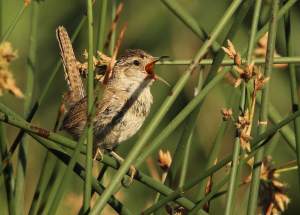
With habitats getting smaller and food getting scarcer, there’s another threat that affects and has become a major threat to migratory birds: avian flu.
In cooperation with partner organizations, the UNESCO World Heritage Center hosted a webinar series back in April and May 2024. It was funded by the Swiss Federal Office for Environment (FOEN).
The webinar gathered scientists, conservationists, and site management authorities to discuss issues about avian flu.
It covered the impact of highly pathogenic avian influenza on both wild birds and mammals. The experts also discussed how it has affected internationally recognized conservation sites. Finally, they talked about strategies for combating the spread of the virus.
Can growing native plants help?
Preserving insect habitats and pesticide reduction are great steps to let birds thrive, another possible strategy to support them is planting the right plants.
Growing native plant species, when done in communities, can help rebuild insect populations. In turn it can lead to a richer, healthier ecosystem not only for migratory birds, but also local flora and fauna.
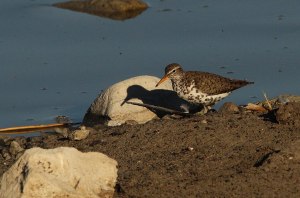
Since we live in different parts of the world, it’s crucial to ask experts and do research before actually planting the vegetation.
Doing so will decrease the risk of accidentally letting non-native, invasive species take over and not help native insects.
World Migratory Bird Day
In essence, WMBD and conferences like mentioned above aim to let the public know how important it is to collaborate internationally to conserve migratory birds.
Last year, WMBD was celebrated twice: May 11 and October 12. In 2025, the days will be May 10 and October 11. This year theme is “Creating Bird-Friendly Cities and Communities”
Having a dedicated day for these birds can help spread awareness and call to action to everybody. However, I think it’s also wise to let other people know about the issue around the birds on regular days.
Sources:
Global conservation report unveils grim plight of migratory species
Leave a Reply