

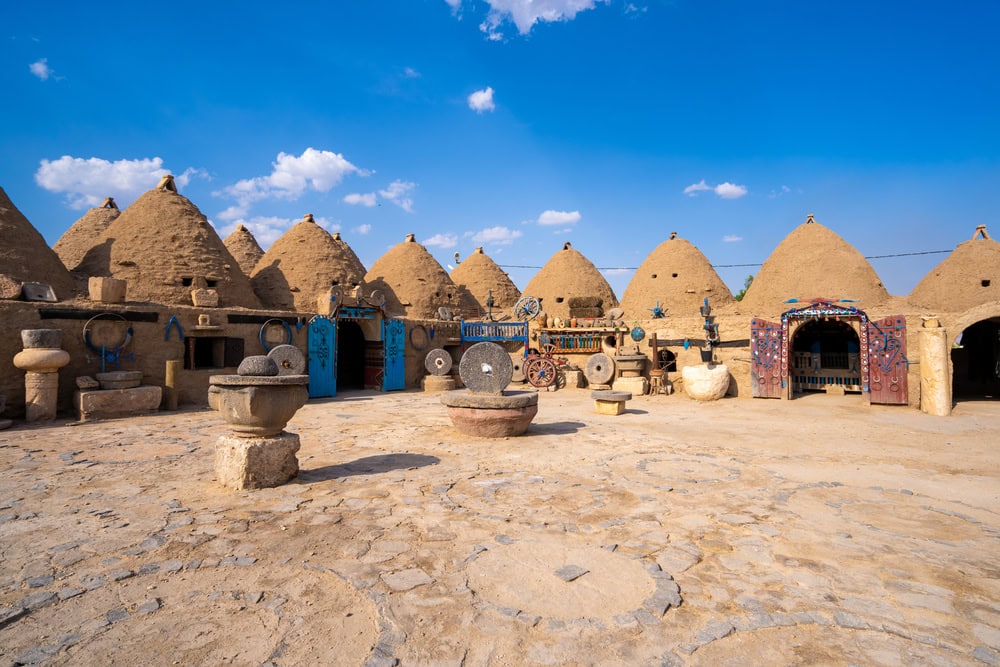
When we think of mud and straw houses, we think of two things most of the time: primitive and/or poverty.
However, they’re experiencing a comeback in Hungary. The reason being? Because they’re a cost-effective, eco-friendly alternative to concrete.
In the country, Janos Gaspar is a master builder that specializes in earth houses currently in high demand–with as much as a three-year waiting list.
Gaspar has constructed over 200 clay houses. According to Gaspar, this renewed interest is caused by the awareness of ancient practice of rammed earth construction.
Such a method is known for its minimal environmental impact as well as energy efficiency.
Architect Adam Bihari, Gaspar’s colleague, emphasizes the importance of using locally available materials in what he calls “natural architecture.”
Bihari explains that Hungarians historically built houses from accessible resources. One can see the example in structures like the century-old clay brick wall in Acs, which is expected to last another century.
This approach contrasts with concrete, a major contributor to global CO2 emissions. Clay or mud naturally disintegrates without leaving artificial waste behind, making it a material of the future.
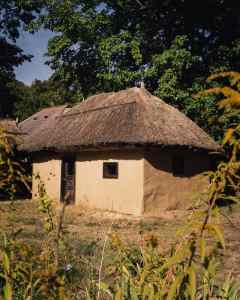
Seeing its high demand and advantageous potential for the future, Gaspar and Bihari pass on their techniques to numerous trainees each year.
In a sandy yard, a group observed Gaspar’s demonstration on making mud bricks.
While putting his construction mix in a blender, Gaspar explained to the trainees that this type of soil is plentiful in Hungary. He added that they could produce one brick per minute. To make a house, one would need around 20,000 bricks.
Why was it out of trend in the first place?
If history says that people used to build mud houses all the time, why did the trend fall out?
Bihari suggests that the practice fell out of favor during the country’s communist era. Around that time, modern materials replaced traditional methods–and it’s still ongoing until now.

Bihari said that many clay brick walls often got cemented over. That leads to rot because it retains and traps dampness.
So, although over one-seventh of Hungarians residing in earth-built homes, mainly in rural areas, there are lingering associations with dampness and poverty.
However, developers and investors are increasingly drawn to natural materials, recognizing them as the future of construction.
Bihari endorsed clay’s thermal properties which are good for Hungary’s varied climate. One of the trainees said that her clay house is naturally warm and cool even though it doesn’t have air conditioning.
In addition, houses made from mud regulate humidity, benefiting those with respiratory issues. Such houses are also fireproof and mostly non-toxic.
We’ve all heard the word “smart” on many things now, even “smart” bricks. According to Bihari, these houses cannot be called “smart” because clay is inherently smart.
And now, given the fact that energy expenses keep rising, it further drives the appeal of mud houses. A lot of trainees see them as affordable and environment-friendly alternatives to conventional housing.
Ancient tradition brought back again
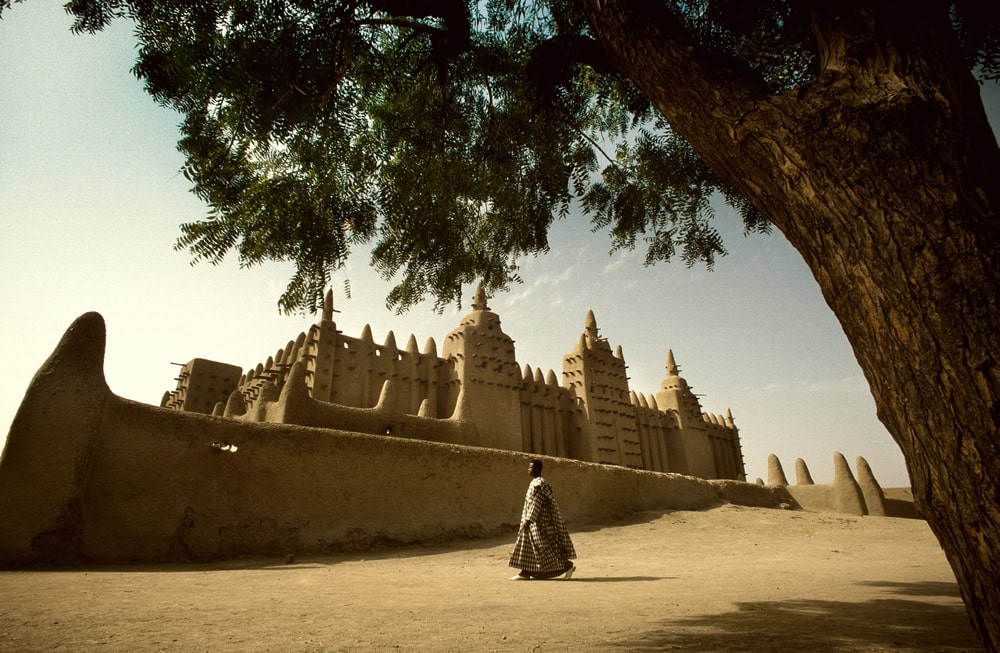
In the heart of central Mali’s Niger delta region, stands a city rich in history, Djenné.
Now, what makes Djenné different is its awe-inspiring mud architecture, with the Great Mosque standing as a real testament to this ancient tradition. At 66 feet (20 meters) tall, on a 300 feet (91 meters) platform, it’s the largest mud building in the world.
To maintain this building, the community of Djenné flock together to maintain and rejuvenate the mosque each year.

Structures like these have inspired contemporary architects like Serbian Dragana Kojičić who said that our ancestors had been incredibly resourceful.
“Our ancestors were really clever and really practical – they used what they had around them. The earth was everywhere, and it could be used for everything: walls, floors, ceilings, stoves and even roofs,” Kojičić said.
Trained at the Centre for the Research and Application of Earth Architecture, Kojičić works to preserve and promote these ancient building methods by restoring and constructing earthen homes throughout Serbia.
“Mud is contagious – it is love at first touch. You don’t need to wear any protective gear when handling the material. With earth, you can just play,” Kojičić added.
Austrian architect Anna Heringer shared this sentiment, highlighting the tactile and inclusive nature of earth construction.
“It is a wonderful feeling to touch the earth. You don’t need any tools to build with it, you just use your hands,” Heringer said.
With nearly two decades of experience in mud architecture, Heringer has left her mark on the world with notable projects like the METI handmade school in Rudrapur, Bangladesh.
She and the structure were recognized with the prestigious Aga Khan Award for Architecture in 2007. “Mud is a very inclusive material; poor and rich can build with it,” Heringer said.
The virtues of mud buildings

Other than Heringer and Kojičić, many other architects laud the virtues of mud buildings. First, they have a natural ability to provide comfort in all seasons.
With their high thermal mass, mud walls gradually absorb and release heat, maintaining a consistently pleasant temperature indoors.
Experts say that this natural temperature regulation ensures a comfortable living environment year-round.
Second, the porous nature of mud offers additional benefits. By allowing moisture to seep in through the walls, mud structures improve indoor air quality. It then creates a breathable and healthy living space.
Kojičić said that these houses ‘breathed’ as it absorbed excess moisture from the air, releasing it when needed.
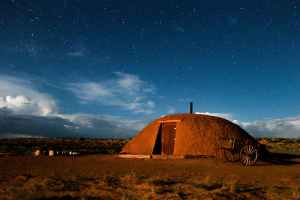
Beyond comfort, mud buildings demonstrate remarkable resilience to extreme weather conditions, including heatwaves, floods, and droughts.
Salma Samar Damluji, co-founder of the Daw’an Mud Brick Architecture Foundation in Yemen, stated that mud structures distributed loads effectively.
So, that makes them resistant to earthquakes and strong winds compared to concrete.
However, the impact of flooding on mud buildings varies depending on factors such as location and foundation strength.
Pamela Jerome, a US architect, noted that while mud houses were generally adaptable and resilient, their response to flooding depended on specific conditions.
To enhance their resilience, mud buildings often feature protective external coatings. The coatings shield them from seasonal rains and flash floods.
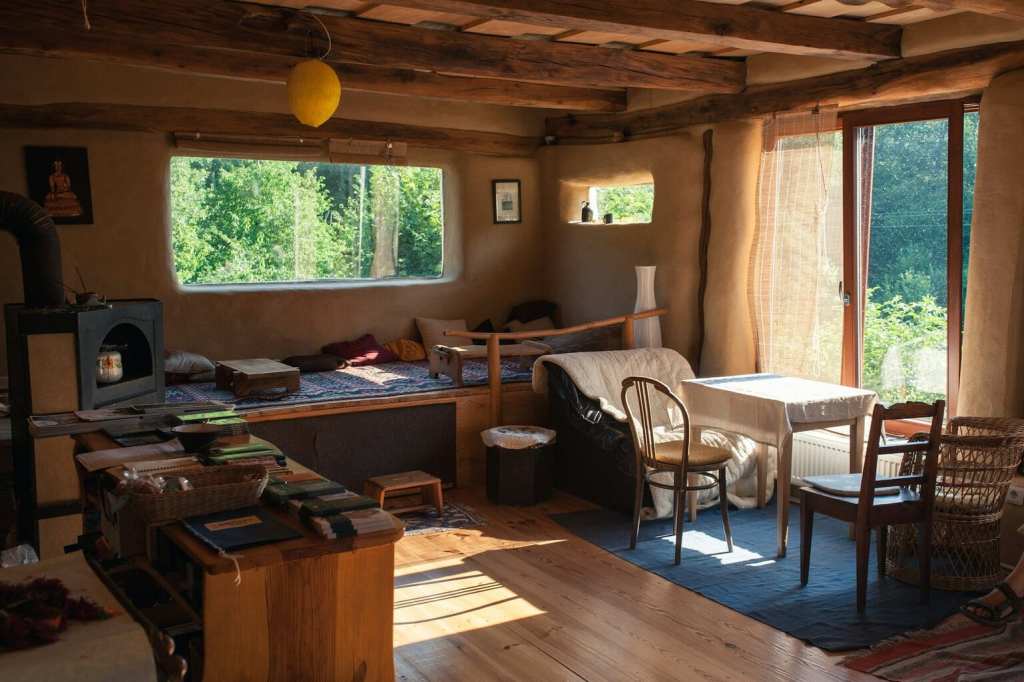
Damluji highlighted the importance of multi-layered coatings, comprising mud, ash, lime, and plaster, in safeguarding against water damage.
And now, despite looking traditional, mud houses can easily be retrofitted with modern amenities. Occupants can add electricity and plumbing, ensuring both their comfort and convenience.
Mud buildings offer a harmonious blend of tradition and adaptability, promising sustainable living for future generations.
But will it make a full comeback, or it’ll just happen in certain areas? I don’t know.
What I do know is that we have a solid alternative to cement in terms of sustainable building materials.
And I’m not gonna lie. As someone living in a tropical climate that gets hotter and hotter due to global warming, the idea of living in a mud house intrigues me. Depending on ACs is costly and not eco-friendly, after all.
But what about you? What do you think of these mud houses and their slow comeback?
Sources
https://www.thejakartapost.com/culture/2023/02/16/eco-friendly-mud-houses-make-comeback-in-hungary.html
https://www.bbc.com/future/article/20220705-the-sustainable-cities-made-from-mud
Leave a Reply