


Mushrooms are totally amazing. They’re not only delicious, but also a super sustainable and nutritious food choice. They can be grown in all sorts of places and are low in calories and fat. Plus, they’re packed with protein, fiber, and important vitamins.
But here’s the really cool part: mushrooms can actually help make our soil better and fight climate change. They have the power to improve soil quality and reduce greenhouse gases.
In this article, we’re going to explore why mushroom cultivation is so awesome, but also the challenges we need to tackle before it becomes more popular. We’ll also talk about how mushrooms could be the future of sustainable and profitable food production.
So, get ready to discover the magic of mushrooms and how they can make a big difference in our world.
Mushroom is Sustainable Food Source

Mushrooms are totally awesome as a food source because they can grow anywhere without messing up the environment. They don’t need a lot of water or land like regular crops, so they’re perfect for places where there’s not a lot of resources.
Guess what? Mushrooms can pop up on tree roots in all kinds of places like forests, cities, and even farms. They’re like the chameleons of food because they can adapt to different environments.
Another cool thing about mushrooms is that they need way less water and land compared to other crops. You won’t believe it, but they can produce a ton of food with just a little bit of water and land. This is super handy for places where there’s not much water or land to go around.
And hey, mushrooms aren’t just good for the environment, they’re also good for you. They’re packed with protein, fiber, and vitamins. Plus, they’re low in calories and fat, so they’re a healthy choice for everyone, no matter how old you are.
With such ‘powers’, mushrooms are like the superheroes of food. They’re sustainable, nutritious, and can grow anywhere. So, if you’re in a place with limited resources, mushrooms are a great option for growing food.
Good Nutrition in Mushroom

Mushrooms are not only delicious, but they also pack a punch when it comes to nutrition. If you’re a vegetarian or vegan, finding good sources of plant-based protein can sometimes be a challenge. Well, mushrooms have got you covered. Just one cup of mushrooms provides about 2 grams of protein. That might not sound like a lot, but every little bit counts, especially when you’re trying to meet your daily protein needs.
Now let’s talk about fiber. Fiber is like the superhero of the digestive system. It keeps things running smoothly and can help you feel fuller for longer. Luckily, mushrooms are a great source of fiber, offering around 2 grams per cup. So, not only will they keep your tummy happy, but they’ll also keep you satisfied throughout the day.
When it comes to vitamins, mushrooms are like a one-stop shop. They contain a variety of important vitamins, including B vitamins like B1, B2, B3, B5, B6, as well as vitamin D and vitamin K. These vitamins play crucial roles in energy production, metabolism, and immune system function. Talk about a nutrient-packed fungi.
Now, here’s the cherry on top: mushrooms are low in calories and fat. If you’re watching your weight or just want to make healthier choices, mushrooms are a great option. A whole cup of mushrooms contains a mere 15 calories and absolutely no fat. You can enjoy them guilt-free while reaping their nutritional benefits.
Fighting Climate Change
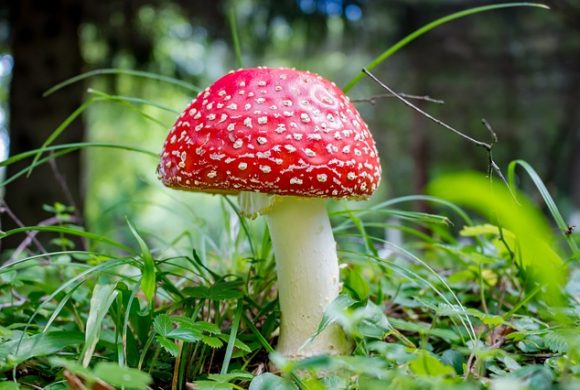
Let’s delve into another incredible ability of mushrooms: their role in combating climate change and enhancing soil health.
One remarkable feature of mushrooms is their capacity for carbon sequestration. Through photosynthesis, mushrooms absorb carbon dioxide from the atmosphere, and they do it even more efficiently than plants. Surprisingly, studies indicate that mushrooms can capture up to 10 times more carbon dioxide than plants can. By taking in such substantial amounts of carbon dioxide, mushrooms contribute significantly to reducing greenhouse gas emissions and mitigating global warming.
But mushrooms don’t just stop at carbon sequestration. They also have a talent for storing carbon in the soil. When mushrooms break down organic matter, some carbon dioxide is released into the air. However, a portion of this carbon remains in the soil for extended periods, potentially lasting hundreds or thousands of years. This carbon storage mechanism plays a vital role in diminishing our carbon footprint and promoting carbon sequestration.
Furthermore, mushrooms have the power to improve soil quality. As they decompose organic materials, mushrooms release essential nutrients into the soil. This process enhances soil fertility, making it more productive and favorable for other plants to thrive. By facilitating nutrient cycling and enriching the soil, mushrooms contribute to increased crop yields and promote sustainable food production.
Obstacles that We may Face
Before mushrooms can be widely cultivated by trees, several challenges need to be addressed. Let’s explore some of these obstacles. Firstly, pests and diseases pose a significant threat to mushroom cultivation. Insects, mites, and various fungi can attack mushroom crops, causing damage or even complete destruction.
These adversities result in substantial losses for growers. Tackling these pests and diseases is crucial to ensure successful and sustainable mushroom production. Additionally, harvesting mushrooms can be a labor-intensive task.
These fungi often grow in inaccessible locations, like the undersides of logs or within the soil. This makes the harvesting process challenging and time-consuming, leading to increased production costs. Developing efficient and cost-effective harvesting techniques would alleviate this issue, making mushroom cultivation more feasible. Particularly by utilizing mushroom substrate to enhance yields
Speaking of costs, the expense associated with mushroom production can be a significant deterrent for growers. The cost of necessary materials, such as wood chips and sawdust, as well as labor expenses, contribute to the overall production costs.
These financial barriers may discourage potential cultivators from entering the industry. Finding ways to reduce production costs and increase profitability would be key to promoting wider adoption of mushroom cultivation.
So, will mushroom become our new superfood not only for us but also for our environment in the end? Looking on the explanation above we might see that the benefits outperform the obstacles.
Sources:
Leave a Reply