


Are you looking to switch to a renewable energy source? As renewable energy becomes more popular, more energy market share is up for grabs. However, some companies might have a different outlook on the renewable energy sector.
Although much of the sector’s revenue comes from traditional sources, the view continues to be future-facing. It brings us to the age-old debate about nuclear vs. solar power; which is the better renewable energy source?
This article may help you to consider, so follow through.
Pros and Cons of Nuclear Power

Nuclear power has been a viable energy source for decades. It is one of the most efficient and cost-effective sources of energy today. The primary advantages of nuclear power include its renewable nature, high efficiency, and minimal environmental impacts.
Nuclear power plants generate electricity through nuclear reactions, which involve splitting atoms (nuclear fission). These reactions release a tremendous amount of energy that can be harnessed to produce electricity.
Additionally, nuclear power plants emit significantly less greenhouse gases compared to fossil fuel power plants, making them a cleaner energy option. With the proper safeguards in place, you can minimize the dangers of nuclear power.
Stringent safety measures, such as robust containment structures and strict operational protocols, help prevent accidents and mitigate the risks associated with radioactive materials. However, the dangers of nuclear power nuclear power lies in its waste products, referred to as radioactive material.
These materials require long-term storage and complex processes for management. Furthermore, the construction and maintenance of nuclear power plants can be costly and time-consuming. Nuclear power is a controversial topic due to safety and cost concerns.
Still, it is a renewable, efficient form of energy that may be necessary to transition away from fossil fuels as the world’s population expands.
Pros and Cons of Solar Power
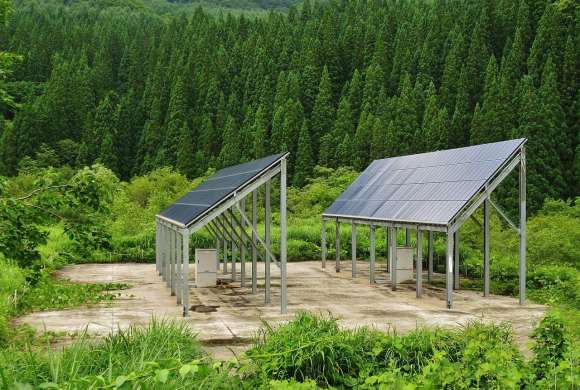
On the plus side, solar energy is plentiful, abundant, renewable, and clean. It harnesses the power of sunlight to generate electricity through photovoltaic cells or concentrated solar power systems. Solar panels convert sunlight directly into electricity without any emissions or byproducts.
Solar energy is an attractive option because it is widely available and can be harnessed in various locations. It offers independence from traditional energy sources and reduces reliance on fossil fuels.
Solar energy also requires no fuel and generates no air pollution. It is a silent and non-intrusive source of power. The installation of solar panels on rooftops and open spaces has become increasingly common as the technology becomes more affordable.
However, there are some limitations to solar power. It is intermittent, as it relies on sunlight, and the output drops significantly during nighttime or in cloudy weather conditions. This intermittency requires the use of energy storage systems or grid integration to ensure a steady and reliable power supply.
Additionally, while the costs of solar panels have decreased over the years, the initial installation costs can still be expensive. Furthermore, photovoltaic systems may require periodic maintenance, which adds to the overall expenses.
In conclusion, solar power can be a valuable source of sustainable energy. It offers numerous environmental benefits and contributes to the reduction of greenhouse gas emissions. However, it comes with disadvantages that you must consider before investing in it, such as intermittent generation and initial installation costs.
Which is a Better Energy Source?

At the moment, nuclear power and solar power are both preferable options. Solar energy is unquestionably superior when taking into account the global climate catastrophe. Solar power plants can be scaled up easily, allowing for decentralized energy production and reducing transmission losses.
Compared to a nuclear power station, a solar power plant of the same size produces less energy each year. However, nuclear power has several dangers and is not renewable. It provides a reliable and consistent source of electricity, but the risks associated with nuclear waste and potential accidents cannot be overlooked.
As a result, even while nuclear and solar power plants should currently work together to meet the country’s needs, there are more long-term options than nuclear energy – climate change. The threat of climate change looms large, and transitioning to renewable energy sources is crucial for mitigating its impact.
Solar power, along with other renewable sources like wind and hydroelectric power, plays a vital role in reducing greenhouse gas emissions and promoting a sustainable future. To help you better decide, , discover this climate change podcast.
It aims to address the most significant danger to humanity. Listening to this podcast will make you realize the importance of choosing the best renewable energy source that combats climate change.
Learn To Choose Between Nuclear vs Solar Today

Nuclear vs. solar energy are both excellent energy sources; however, solar is generally the better energy source. It has no negative environmental impact, renewable energy resources, or emission of radioactive pollutants.
Solar power offers a viable and sustainable alternative for meeting our energy needs. We should seriously consider switching to solar energy to ensure our planet remains sustainable for generations. Take action today by using renewable energy in your home or business!
Did you find this article helpful? Check out the rest of our blogs!
Leave a Reply