

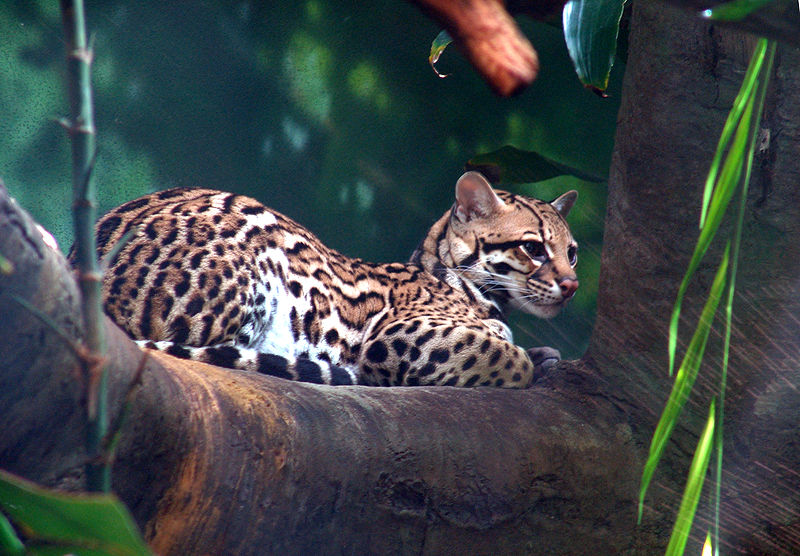
All hail Sir Ocelot, the beautiful and elegant wild cat of American Continent, or maybe some people know it more in Minecraft. Yes, for you who have not heard about this species of cat, ocelot is an actual animal living in real life.
Want to know more about the real condition of Sir Ocelot of Minecraft? Follow through.
What is Ocelot?
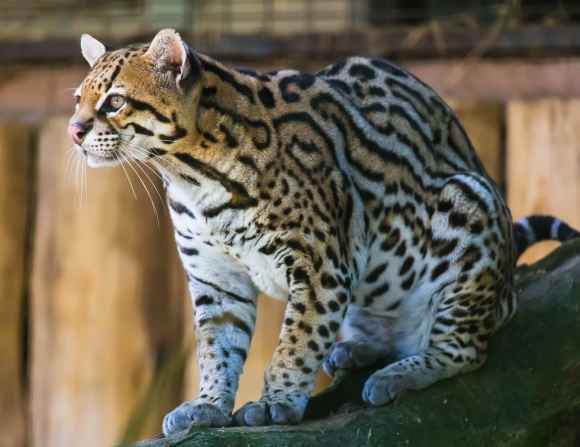
The ocelot (Leopardus pardalis) is a captivating and elusive wild cat found in South America. Known for its striking coat pattern and nocturnal habits, the ocelot symbolizes the rich biodiversity of the Neotropical rainforests. This medium-sized cat has adapted to various habitats across the continent and plays a crucial role in maintaining ecological balance.
Ocelots are famous for their beautiful and interesting coats, marked with intricate patterns of spots, stripes, and rosettes on a tawny to reddish-brown background. Each ocelot’s pattern is interesting, like a human fingerprint, and helps them blend into their environment. Their fur is short, soft, and dense, providing insulation and protection.
An adult ocelot typically weighs between 18 to 35 pounds and measures around 28 to 35 inches in body length, with a tail adding an additional 10 to 16 inches. They have a compact and muscular build, with short legs and a long tail that helps with balance. Their large eyes reflect light, giving them excellent night vision important for their nocturnal lifestyle.
Ocelots have sharp retractable claws used for climbing, hunting, and self-defense. Their strong jaws and sharp teeth are well-suited for capturing and consuming prey, making them efficient predators. Although they may look cute, but do not mistake their cuteness with weakness.
In The Wild or In The House
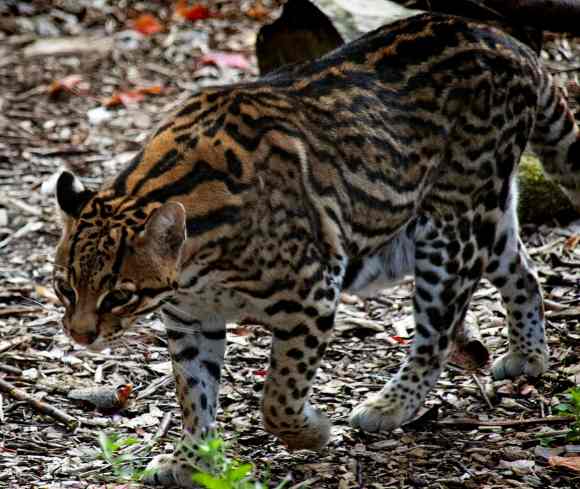
Ocelots are highly adaptable and can be found in various habitats across South America, from the dense Amazon rainforests to arid scrublands and savannas. They are also present in Central America and parts of Mexico, with the largest populations in the tropical and subtropical forests of Brazil, Venezuela, and Colombia.
These cats prefer areas with dense vegetation, that provide cover for stalking prey and protection from larger predators. They are skilled climbers and swimmers, allowing them to use different ecological niches. Besides forests, ocelots are found in mangroves, marshes, and along riverbanks.
Ocelots are primarily solitary, with each individual maintaining a territory marked with scent and vocalizations. They are nocturnal hunters, active mainly at night, using their keen senses to locate prey. Their diet is various and opportunistic, consisting mainly of small to medium-sized mammals, birds, reptiles, and amphibians.
Common prey includes rodents, rabbits, opossums, and small monkeys. Ocelots also hunt ground-dwelling birds and fish. They typically stalk and ambush their prey, using the element of surprise to their advantage. They are stealthy and patient hunters, capable of moving silently through dense underbrush.
Ocelots communicate through vocalizations like yowls, growls, and purrs to establish territory, attract mates, and interact with offspring. Scent marking through urine and feces is also important, helping to define territory boundaries and signal reproductive status.
Ecological Importance

Ocelots play a important role in maintaining the ecological balance of their habitats. As mesopredators, they help control populations of small mammals and other prey species, influencing the structure and composition of the ecosystem. By keeping these populations in check, ocelots help prevent overgrazing and depletion of vegetation, contributing to overall environmental health.
Ocelots also serve as indicators of ecosystem health. Their presence and abundance reflect the state of their habitat, as they need large territories with sufficient prey and cover. Monitoring ocelot populations can provide valuable insights into the health of tropical and subtropical ecosystems, guiding conservation efforts.
Additionally, ocelots contribute to biodiversity by creating niches for other species. Their hunting activities influence the behavior and distribution of prey species, affecting the distribution of plants and other animals. This interconnectedness highlights the importance of saving top predators like the ocelot.
Their breeding itself occurs year-round, with females giving birth to litters of one to three kittens after a gestation period of about 79 to 85 days. The kittens are born blind and helpless, relying on their mother for warmth, protection, and food. The mother raises the kittens alone, weaning them at around six weeks and teaching them to hunt before they become independent at about one year old.
Despite their adaptability, habitat destruction and fragmentation due to deforestation and human encroachment pose significant threats to ocelots. That’s why, conservation efforts are crucial to saving the various habitats that support ocelots and other wildlife.
Conservation Status and Efforts

The ocelot is a remarkable and iconic species of South America, embodying the beauty and complexity of the region’s ecosystems. Its striking appearance, elusive nature, and ecological importance make it fascinating and important to scientists, conservationists, and wildlife enthusiasts alike.
Protecting ocelots and their habitats is important for saving biodiversity and maintaining the health of tropical and subtropical ecosystems. The ocelot is currently classified as “Least Concern” on the International Union for Conservation of Nature (IUCN) Red List, but this status varies across its range.
In some areas, populations are stable, while in others, they are threatened by habitat loss, hunting, and road mortality. The destruction of tropical rainforests for agriculture, logging, and urban development is a significant threat, leading to habitat fragmentation and reduced prey availability.
Conservation efforts for ocelots focus on habitat protection, restoration, and connectivity. Establishing and maintaining protected areas, wildlife corridors, and reserves are critical for their long-term survival. Efforts to combat illegal hunting and trafficking of ocelot pelts are also important.
Research and monitoring programs are crucial for understanding ocelot ecology and behavior. Studies on population dynamics, genetic diversity, and habitat use can inform conservation strategies. Public education and community engagement are also important, fostering awareness and support for ocelot protection.
As we face global environmental challenges, conserving species like the ocelot reminds us of the interconnectedness of all life and the need for sustainable practices that balance human development with saving our natural heritage. By valuing and protecting the ocelot, we contribute to conserving the rich biodiversity of our planet for future generations.
Sources:
https://kids.nationalgeographic.com/
Leave a Reply