

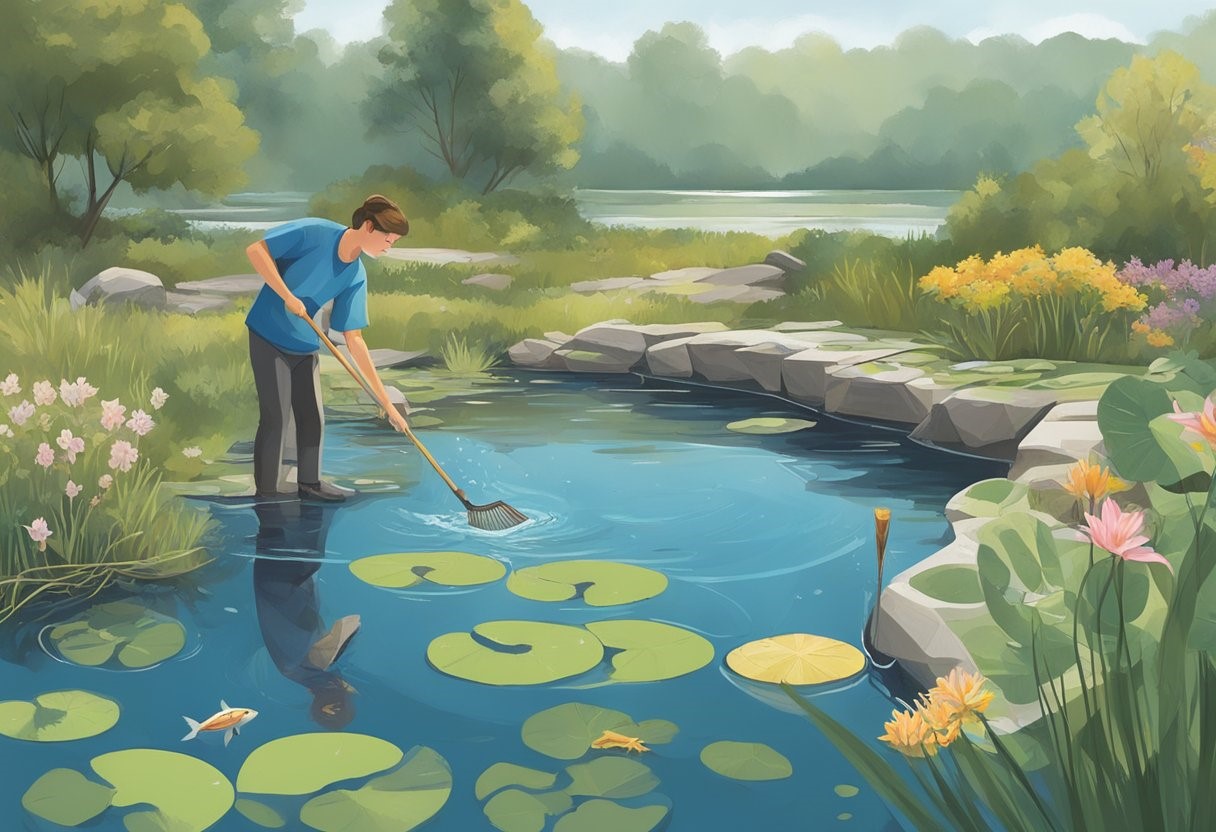
The South Downs National Park in England restored old farm ponds called dew ponds recently. These ponds were originally dug by farmers a hundred years ago to provide water for their sheep.
Over time, many of these ponds dried up and fell into disrepair because farming practices changed. The national park worked to bring 10 of these ponds back to life, and the results were amazing.
Ecological surveys discovered a wealth of biodiversity in the restored ponds. Scientists found many different types of insects, birds, amphibians, and mammals living in or around the water.
One exciting discovery was the scarce blue tailed damselfly, which was once thought to be extinct. This was only the sixth colony of this insect seen in Sussex in more than 100 years.
Well, pretty interesting, right? Let’s talk more about it.
What Are Dew Ponds?
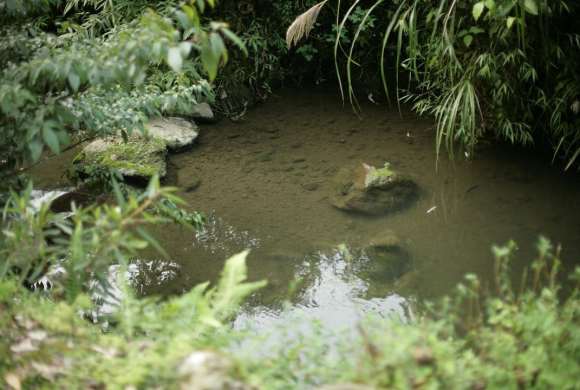
Dew ponds are watering holes that were common in the South Downs countryside a hundred years ago. Farmers dug these ponds into the chalk rock to provide drinking water for their sheep.
More than a thousand dew ponds once dotted the Sussex landscape. They were not just important for farm animals. These ponds also served as vital freshwater habitats for thousands of wild animals.
Ponds are extremely important for nature. According to experts, ponds support about 70 percent of all freshwater species.
The South Downs area has some special challenges for wildlife. The rocks that form much of the South Downs National Park are made of chalk, which is porous. Because of this, rain does not collect in dips and hollows to form natural ponds.
The water just soaks into the ground. This makes the human made dew ponds even more important because there are not many natural sources of surface water.
Jan Knowlson, a biodiversity officer for the South Downs National Park, explained that ponds are not common on the downs. The area has the sea nearby and has saline lagoons.
It also has rivers. However, regular freshwater ponds are uncommon, which made the dew ponds especially valuable for wildlife.
What Happened to the Dew Ponds?
Changes in farming practices caused many dew ponds to fall into disrepair over the years. Modern farmers stopped using these ponds because they found other ways to provide water for their animals.
They might use pipes and water troughs instead of natural ponds. As a result, nobody maintained the old ponds anymore. Without regular maintenance, the ponds started to dry up. Plants grew over them.
Mud and soil filled them in. Some ponds completely disappeared from the landscape. According to experts, a total of 70 percent of the ponds that once dotted the South Downs are now in poor condition or have disappeared completely.
The loss of these ponds was terrible news for wildlife. The ponds had been oases for animals. When the ponds dried up, the animals that depended on them lost their homes and drinking water. Many species that used to live in the South Downs became rare or disappeared from the area entirely.
Climate change has made the situation even worse. Warmer, drier summers are putting greater pressure on wetlands.
With hotter weather and less rain, wetlands are drying up faster. There are now large areas of downland where no surface water is available at all. This makes it very difficult for wildlife to survive, especially during hot, dry summer months.
The disappearance of the dew ponds showed how human activities can accidentally harm nature. The farmers who stopped maintaining the ponds did not mean to hurt wildlife. They simply changed their farming methods.
However, this change had serious consequences for the environment.
How Did Restoration Bring Wildlife Back?
The South Downs National Park decided to restore the dew ponds to help wildlife. The park worked to bring 10 ponds back to life. Workers probably cleared away plants that had grown over the ponds, dug out mud and soil that had filled them in, and made sure the ponds could hold water again.
The results were exciting and happened quickly. As soon as the ponds had water again, wildlife started to return. Sylvia King, who works at Seven Sisters Country Park, carries out surveys on one of the ponds.
She said that plants started growing in the restored pond. Then insects came back. She described feeling excited every time she visits the pond because she is never quite sure what she will see. Each visit brings new discoveries.
The ecological surveys found many different species living in the restored ponds. The most exciting discovery was the scarce blue tailed damselfly. Finding this damselfly in one of the restored ponds was wonderful news. It was only the sixth colony seen in Sussex in more than 100 years.
This discovery proved that the restoration work was successful. It showed that even species that seem to have disappeared can come back if their habitat is restored.
Help the Ecosystem

The restoration of dew ponds helps the ecosystem in many important ways beyond just providing water. The restored ponds have brought back wildlife biodiversity, which helps restore the health and balance of natural habitats.
One important benefit is supporting pollinators. These creatures help plants reproduce by carrying pollen from one flower to another. This includes crops that humans rely on for food. By protecting pollinators, the restored ponds help protect the food supply for both humans and local wildlife.
The ponds also help native vegetation continue to thrive. These plants provide food and shelter for local wildlife. The South Downs National Park plans to continue this important work. The park is working on restoring and returning life to 90 more ponds across the downs.
There is also a fundraising campaign called Pounds for Ponds that started in 2023. This campaign aims to help restore more than 100 ponds across Hampshire and Sussex, where the South Downs National Park is located. Every restored pond is a victory for wildlife and a step toward a healthier environment for everyone.
Sources:
Leave a Reply