


For many years, fracking has been a controversial issue in the UK. The process of extracting gas by injecting liquid into underground rock formations has raised concerns about environmental damage, groundwater contamination, and even earthquakes.
However, a former fracking site in Kirby Misperton, North Yorkshire, is now being used for a very different purpose. Instead of extracting fossil fuels, the site is being repurposed to generate clean geothermal energy.
The energy firm Third Energy, which originally planned to use the site for fracking, was acquired by the renewable energy company CeraPhi Energy in 2024. The company now hopes to turn abandoned gas wells into sources of geothermal heat, potentially providing a sustainable heating solution for nearby homes and businesses.
This transformation marks a significant step toward reducing dependence on fossil fuels while making use of existing infrastructure in a more environmentally friendly way. Let’s talk about it more in this article.
How the Geothermal System Works

Unlike fracking, which forces liquid into underground rock to release gas, the closed-loop geothermal system proposed by Third Energy does not disturb the surrounding geology. Instead, a sealed water-filled loop is placed inside the existing well.
The deep underground heat naturally warms the water, which then returns to the surface to provide heating for buildings. The deepest well at Kirby Misperton, known as KM8, reaches a depth of 3 kilometers (1.9 miles).
When tested, the temperature at the base of the well was measured at 115°C (240°F)—hotter than initially expected. Once brought to the surface, this heat can be further increased with heat pumps to make it suitable for household use. According to estimates, a single well could provide enough heat for up to 100 homes.
Third Energy currently has 12 wells in North Yorkshire that could be converted for geothermal use. The company hopes to expand the network by drilling additional wells, allowing even more homes and businesses to switch to clean, locally produced heat. If successful, this project could serve as a model for other former fracking sites across the UK.
The Potential and Challenges of Geothermal Energy
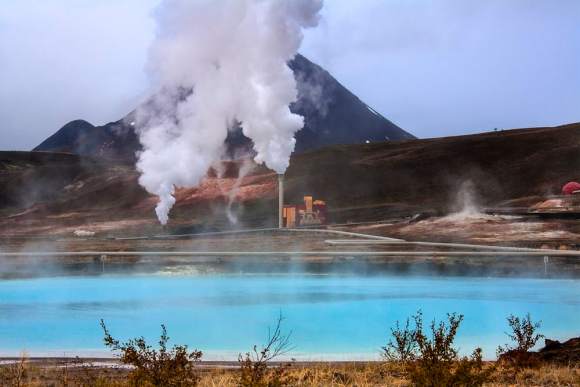
Geothermal energy is widely used in places like Iceland, where underground heat sources are abundant. However, many people are unaware that geothermal energy can also be harnessed in regions without volcanic activity.
Old oil and gas wells—which reach deep into naturally warm underground areas—offer a unique opportunity to develop geothermal systems without the need for new drilling. Despite its potential, converting old fossil fuel wells into geothermal energy sources is not without challenges.
One major issue is cost. Drilling and fitting a well for geothermal use can cost up to £1 million ($1.3 million), even for wells that are only half as deep as KM8. However, once operational, these wells could provide continuous, low-maintenance heat for decades, making them a long-term investment in clean energy.
Another concern is whether the wells will maintain their heat output over time. Some experts, such as Gioia Falcone, a geothermal energy specialist at the University of Glasgow, believe that as heat is extracted, the underground temperature may gradually decrease.
A study presented in February 2025 suggested that the output temperature of KM8 could drop to 21.8°C (71.2°F), significantly lower than what is needed to efficiently heat homes. Third Energy disputes these claims, arguing that the study did not have access to full company data.
The firm insists that its system, which includes heat pumps and periodic reinjection of hot water, can maintain high efficiency. There are also successful examples of similar projects in other countries, such as Germany, where deep boreholes have provided significant amounts of geothermal heat.
Future of Geothermal Energy in the UK
The shift from fracking to geothermal energy has received strong public support, especially from former anti-fracking protesters. Many local residents, who once opposed Third Energy’s fracking plans, are now enthusiastic about the geothermal project.
One former protester, Mike Potter, initially had doubts about the company’s new approach. However, after witnessing a demonstration of the technology, he became convinced that it could be a game-changer.
Potter now volunteers to help raise awareness about geothermal energy, speaking with local businesses and organizations about the benefits of switching to this renewable heat source.
Another local resident, Hazel Winter, also supports the project. She believes that reusing old gas wells for clean energy is a complete turnaround from past environmental concerns. “It helps keep fossil fuels in the ground and could be the start of a whole new industry,” she said.
Despite public optimism, some experts remain cautious. While geothermal energy has huge potential, it requires significant investment, careful planning, and ongoing research to ensure that it can provide reliable heat at a competitive cost.
The UK government and energy companies will need to work together to support the growth of this industry, just as other countries have done.
A Promising Future for Sustainable Heating
There are already signs that geothermal energy is gaining momentum in the UK. The British Geological Survey has launched a project to drill 28 shallow boreholes near its headquarters in Nottinghamshire to decarbonize heating systems.
In the United States, the Geothermal Technologies Office is researching ways to convert abandoned oil wells into geothermal energy sources. Similar projects are also being funded by the European Union.
The Kirby Misperton project shows an innovative way to transition from fossil fuels to renewable energy. By repurposing old gas wells for geothermal use, the UK could significantly reduce its reliance on imported gas and lower carbon emissions from home heating, which currently accounts for around a quarter of the country’s total emissions.
If this pilot project is successful, it could be scaled up nationwide, providing a sustainable alternative to traditional gas heating.
While challenges remain, the public support, growing interest in renewable energy, and ongoing technological advancements suggest that geothermal energy could play a major role in the UK’s clean energy future.
Sources,
Leave a Reply