

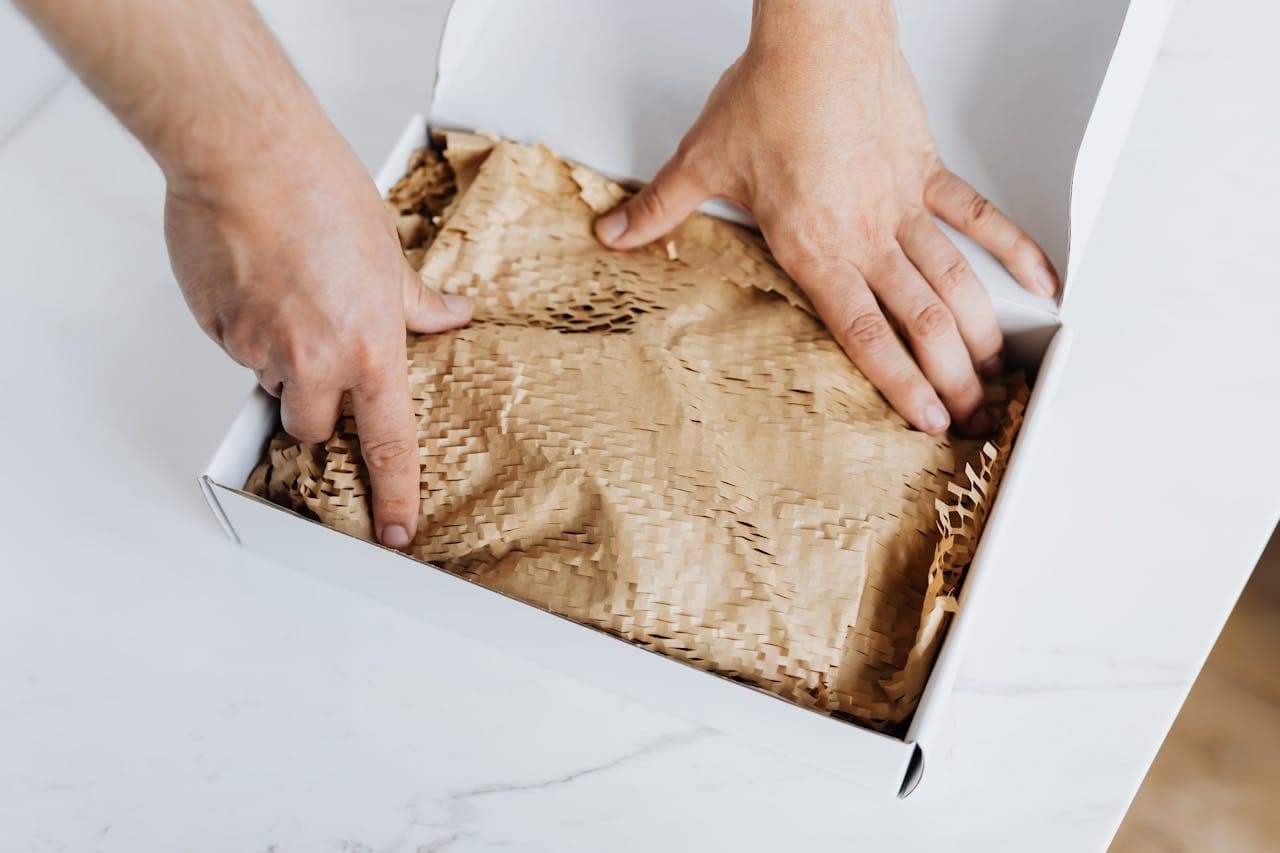
Due to its initiative to reduce packaging waste, Amazon has cut 2 million tons of packaging. The cut mainly happens in delivery boxes and grocery stores.
The company highlighted this achievement in its sustainability report from summer 2023. It revealed that the effort led to a 41% reduction in the average weight of packages.
Amazon’s current goal is to minimize unnecessary packaging whenever possible. It also wants to replace plastic with recyclable, paper-based alternatives.
While the giant has already eliminated 37,150 tons of plastic packaging, it still used 85,916 tons of single-use plastic annually as of 2022.
Pat Lindner, Amazon’s vice president of mechatronics and sustainable packaging, highlighted the importance of prioritizing paper over plastics for a circular economy.
.jpg)
Amazon’s primary approach to packaging is to eliminate any unnecessary materials.
A program allowing items to be shipped in their original containers represented 11% of all packages shipped in the US and Canada in 2022.
This option is now available to Amazon sellers using the company’s order fulfillment services. The services are helped by machine learning software to identify eligible items.
The company has also collaborated with Amazon merchants to redesign product packaging. So, merchants can ship more items without additional packaging. This effort has led to a 7 to 10% annual reduction in cardboard waste.
Switching to paper from plastic
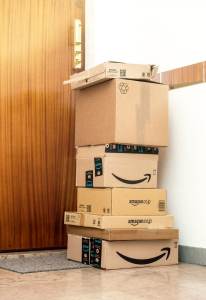
Amazon has intensified its efforts to replace single-use plastic with paper-based alternatives.
Last fall, machines at the company’s Ohio center were upgraded to replace plastic mailers with water-resistant, flexible paper ones. In addition, the flexible paper material is curbside-recyclable.
How did such an upgrade happen? Experts say that these upgrades were made possible by:
- Incorporating built-in sensors and machine learning software. It’s utilized to determine the appropriate size of paper packages for various items traditionally shipped in plastic mailers.
- Developing water-resistant paper that can be molded into shape and sealed using heat-sealing technology.
Amazon did not disclose the cost of these changes. However, Lindner believes they will ultimately reduce expenses as similar systems are implemented across North America in the coming months.
He underlined the value of investing in waste reduction and transitioning to curbside-recyclable packaging.
Safe shipping by improving box fit
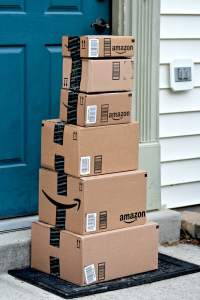
As mentioned, Amazon has enhanced a machine at its facility to adjust cardboard boxes.
This ensures that the boxes match the shape of the items being shipped.
This upgrade is crucial for reducing the need for plastic “pillows” to prevent damage during transit in oversized boxes.
Moreover, in October 2021, Amazon invested in CMC Machinery through its $2 billion Climate Pledge Fund. CMC specializes in manufacturing equipment for customizing box sizes.
Collaborating with CMC in Ohio, Amazon expanded the capabilities of the system to produce various box shapes and handle lightweight, curbside-recyclable corrugated material.
The upgraded machine can now create custom-sized boxes for half of Amazon’s shipped items.
These improvements stemmed from experiments conducted several years ago at Amazon’s innovation center in Washington state.

Here are some things in considerations when they talked about packaging overhauls:
- Multidisciplinary Team: Such initiatives require a solid team comprising hardware engineers, process and automation experts, AI specialists, software developers, and materials experts.
- Paper Characteristics: Paper suppliers need to be able to produce material resistant to water damage and punctures. Such suppliers are crucial and require collaboration with materials scientists and chemists. Amazon evaluated numerous alternatives before selecting suitable options.
- Maintenance and Downtime: Adopting new technology means establishing new routines and procedures to ensure equipment operates smoothly.
- Weight Restrictions: The changes implemented in Ohio apply to items weighing less than five pounds for mailers. If the items weigh less than ten pounds, it’s time for custom boxes.
- Customer Feedback: The new packages feature QR codes for additional information, allowing Amazon to gather data on damage complaints and customer satisfaction. This feedback will inform decisions regarding the scaling of the technology.
How eco-friendly is paper, though?

Many if not most of us have been thinking of replacing plastics with paper. But is paper the ultimate choice we have to be eco-friendly?
Let’s look at the concerns first.
Nearly every step of paper production involves water. On the scale of today’s industry, it requires a tremendous amount. Producing just one A4 sheet can consume between two and 13 liters.
In China, a major player in the paper industry, the sector used up 3.35 billion tons (about three trillion liters) in 2014. That’s enough to fill about 37 billion baths.
Then, energy consumption poses another sustainability challenge for the paper industry. According to an estimate, paper contributes to 2% of the world’s total carbon footprint.
Tree-cutting is also an issue. Annually, the global paper industry consumes over 100 million hectares of forests. That’s an area roughly the size of Egypt.

In some regions, paper production contributes to net deforestation. So, it releases more CO2 because the cleared areas stored it previously.
I should note, though, that much paper comes from sustainably managed forests. Some, however, still source their materials from ecologically important areas.
Moreover, chemicals like chlorine bleach are used to make paper white, which can harm nearby aquatic life.
So, despite being greener, paper isn’t the best we have to combat excessive plastic use.
However, the paper industry has come a long way.
Changes in the paper sector
Conventional chlorine bleach has fallen out of favor at some paper mills. It’s been heavily regulated in some regions, as well. So, more have used chlorine-free bleach that can result in the same effect.
In responsibly managed areas, using more paper can in fact lead to more trees. Because, some companies have a policy of planting several trees for each one felled. For instance, in the US, 1.7 million trees are planted each day by the lumber industry.
Also, responsible companies in the US and Europe clean and recycle all the water they use. That means there is zero waste.

Basically, the industry has become more sustainable over the last few decades. There’s always room for improvement, of course, but what’s important is the people.
In the US only, people are good about recycling paper products. According to the American Forest and Paper Association, the 2020 paper recycling rate was 65.7%, with cardboard recycling at 88.8%.
As humanity is looking for alternatives to plastic, paper is actually entering a new golden age.
With new technology and advancements, we might soon be able to grow trees that are easily mashed. So, we would need fewer resources than are needed today.
And in terms of Amazon’s efforts and plans, many think that this is a step in the right direction.
Looking forward optimistically
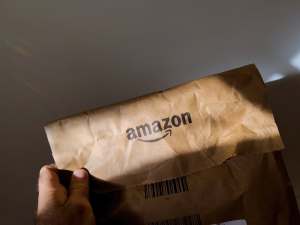
Other shipping companies are following Amazon’s lead in addressing emissions concerns. They’re moved by regulations in Europe and certain US states penalizing the use of single-use plastics.
Some experts highlighted the lack of infrastructure for recycling plastic as another reason.
While one can find flexible paper recycling quite easily in major economies, good recycling facilities for plastics remain lacking globally.
Experts add that Amazon’s focus should be on establishing circulation systems for packaging. It shouldn’t focus on seeking the “perfect packaging materials.”
But the experts’ main takeaway is that Amazon is potentially leading the way in addressing packaging issues across the industry. And, that can be good news for our planet.
Sources:
https://www.greenbiz.com/article/inside-amazons-push-switch-plastic-paper-mailers
https://www.bbc.com/future/bespoke/made-on-earth/how-paper-is-making-a-comeback
https://www.popsci.com/environment/paper-products-sustainability

Leave a Reply