

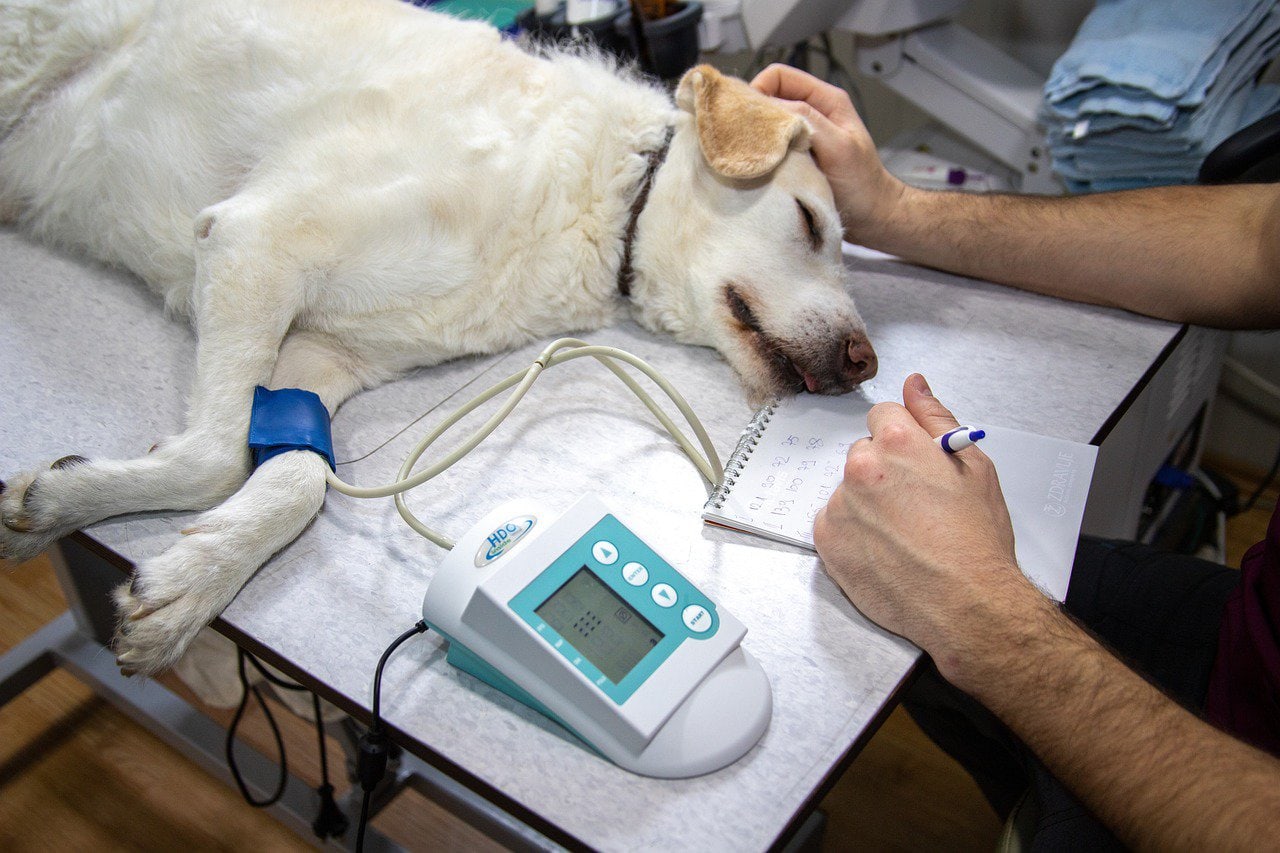
Every pet owner knows the joy and companionship that pets bring into our lives. However, along with that joy comes the responsibility of ensuring their health and well-being.
Unexpected veterinary costs can be overwhelming, especially during emergencies. A proactive approach to pet care includes considering pet insurance. This guide provides insights into pet insurance, ensuring pet owners can make informed decisions on protecting their furry companions.
Understanding Pet Insurance
Pet insurance is designed to offset the costs associated with pet care. It works similarly to human health insurance but is tailored specifically for animals. With various coverage options, pet owners can choose plans to suit their pet’s needs.
Most policies cover accidents, illnesses, and routine care, helping alleviate the financial burden of pet parenthood. Understanding what is and isn’t covered is crucial for making the right choice.

Types of Pet Insurance Plans
Navigating through pet insurance options can be overwhelming. Here are the primary types of pet insurance available:
- Accident-Only Plans: These plans cover injuries such as falls, car accidents, or bites. While they are often less expensive than comprehensive plans, their coverage is limited to accidents, leaving pet owners vulnerable in case of illness.
- Illness Plans: These plans cover a range of illnesses, including infections and chronic diseases. While some plans might exclude pre-existing conditions, they offer great coverage if your pet faces unexpected health issues.
- Comprehensive Plans: Comprehensive plans combine accident and illness coverage with routine care services like vaccinations and check-ups. These plans generally have higher premiums but provide more extensive coverage to pet owners.
- Pediatric vs. Senior Plans: Puppies and kittens often have different health needs compared to senior pets. Some insurers offer plans tailored for younger animals with lower premiums, while others have specialized plans for older pets, which might have higher rates due to increased health risks.

Coverage Features and Limitations
When evaluating pet insurance, it’s important to thoroughly assess what each plan covers and any limitations that may apply. The best pet insurance companies offer a range of coverage features designed to meet the needs of pet owners and ensure comprehensive care for their animals. Here are some key coverage features commonly provided, along with significant limitations to keep in mind:
Photo by Resilience CBD on Unsplash
- Veterinary Visits: Include consultation fees for regular check-ups or emergent vet visits.
- Surgery: Coverage for invasive procedures such as major surgeries or emergency interventions.
- Medications: Prescription medications prescribed for injuries or illnesses.
However, it’s essential to review the limitations that may apply:
- Pre-existing Conditions: Most providers won’t cover illness or injury before the policy purchase.
- Waiting Periods: Typically, there’s a waiting period before coverage begins, particularly for illnesses.
- Annual Limits: Some plans have caps on how much they will pay annually.
The Benefits of Having Pet Insurance
Many pet owners question if insurance is worth it. Here are some key benefits:
- Financial Protection: Insurance can reduce the financial strain of unexpected veterinary costs, allowing owners to make optimal health choices for their pets without worrying about expenses.
- Access to Better Care: Pet insurance ensures owners can afford advanced care, such as surgeries or specialist consultations.

How to Choose the Right Pet Insurance Provider
Selecting the right pet insurance provider requires careful consideration beyond choosing the lowest premium. Evaluating various factors is important to ensure you’re getting the best value and coverage for your pet’s needs. Here are steps to guide you in the process:
Compare Plans
Take the time to thoroughly compare different plans’ coverage options, exclusions, and premiums. Review what is and isn’t covered, including pre-existing conditions, routine care, and emergency services. Don’t hesitate to gather quotes from multiple providers to understand your options. This will help you determine which policy offers the best affordability and comprehensive coverage.
Check Review
Online reviews and customer testimonials are valuable resources for understanding the experiences of other pet owners. Pay attention to feedback on the claims process, ease of use, and customer service quality. A provider may seem appealing on paper, but customer reviews highlight challenges or hidden drawbacks that affect your experience.
Ask Vets for Recommendations
Veterinarians often have direct experience working with insurance providers and can provide insights based on client interactions. They may recommend companies known for being easy to work with or offering better coverage for specific types of care. Asking for recommendations from trusted professionals can help guide you toward reputable insurance companies with a track record of providing quality service and support.

Myths vs. Facts About Pet Insurance
There are several myths surrounding pet insurance that can prevent pet owners from fully understanding its value. These misconceptions may lead some to overlook the benefits, ultimately affecting the well-being of both pets and their owners.
Myth: Pet Insurance is Too Expensive
While it’s true that premiums can vary depending on factors like your pet’s age, breed, and location, many pet owners find that the peace of mind it provides justifies the cost. Pet insurance plans are often designed to accommodate different budgets, with varying levels of coverage and deductible options.
For some, a basic plan can be surprisingly affordable, and the financial support for unexpected veterinary costs can offset the relatively small monthly premiums. When you factor in the potential savings on medical expenses, many owners find that pet insurance is a wise investment in their pet’s health.

Myth: Insurance Only Covers Major Issues
A common misconception is that pet insurance only covers expensive emergencies or surgeries, leaving routine care out of the equation. However, many comprehensive pet insurance plans include routine and preventive care coverage, such as vaccinations, flea and tick prevention, and annual check-ups.
These plans help ensure that preventive health measures, essential for your pet’s long-term well-being, don’t become a financial burden. By including regular wellness visits in the coverage, insurance can help maintain your pet’s health without the high out-of-pocket expenses.
As awareness grows, more owners are exploring pet insurance options for their furry friends. Innovations in policy offerings, pricing models, and coverage options are expected to emerge alongside trends in veterinary medicine. As pet health needs evolve, insurance will likely play an essential role in responsible pet ownership.
Understanding pet insurance is crucial for ensuring your pet receives the best care without breaking the bank. By exploring different plans, knowing the benefits and limitations, and actualizing the potential savings, you’ll be prepared to protect your furry friend as they deserve.
Leave a Reply