


Adopting a healthier diet might be the goal for many people going ahead. More people are getting health-conscious each day, and the healthy food sector has kept up with the trend.
Making conscious choices about what we’re going to put on our plates is wise. And, the real challenge is sticking with it, or at least being consistent with it.
Because, such choices won’t only impact our own health, they also affect the health of the planet.
Food systems represent one-third of greenhouse gas emissions on the planet.
Experts say that if left unchecked, these emissions might add enough extra warming. A warming that may take our planet’s average temperature to over a 1.5°C rise in the 2060s.
Newer research is suggesting that air pollution has become another issue caused by agriculture.
Farms that deal with animals have been dubbed a major source of ammonia emissions.
Ammonia emissions react with other pollutants which then form fine particulate matter. It can eventually cause health issues like cardiovascular disease, lung cancer and diabetes.

According to a study by researchers at the University of Oxford and KU Leuven, a shift from current diets to more plant-based ones is recommended.
Such diets could prevent up to 236,000 premature deaths around the world and boost global GDP. And it’s all simply by improving air quality.
Cleaner air by consuming more plants
The World Health Organization stated that in 2019, there were millions of premature deaths linked to air pollution.
According to the WHO, about one-fifth of these deaths were caused by agriculture.
So, the researchers wanted to know what might happen to air quality if there’s a change.
The change here being a shift towards plant-based diets that are generally healthier. This includes flexitarian diets with less meat, vegetarian diets, and vegan diets with no animal products.
The results showed that plant-based diets could significantly reduce air pollution.
Places with a lot of livestock like Belgium, the Netherlands, northern Italy, southern China and the midwest US would see noticeable reductions in concentrations of fine particulate matter.
When there’s better air quality, the researchers said, there’s better health.
The researchers found that over 100,000 premature deaths could be prevented globally by adopting flexitarian diets.

Health benefits from cleaner air add to those received from eating a more balanced diet, the researchers said.
In addition, the researchers argued that there would be more health benefits if people eat even fewer animal products.
Their example was, if everyone went vegan, the number of premature deaths from air pollution could fall by more than 200,000.
In Europe and North America only, adopting vegan diets could reduce premature deaths from all air pollution by about 20%.
The researchers also claimed that clean air is often overlooked when it comes to the work environment.
According to the researchers, clean air increases the productivity of workers in many different jobs, from farms to factories.
Studies have shown that air pollution affects the productivity of blueberry pickers and pear packers.
The study suggests that cleaner air by vegan diets could increase global GDP by more than 1% – a gain of US$1.3 trillion.

The change to meatless diets
The researchers further suggested that enhancing air quality is important for both our well-being and economic prosperity.
Adopting more plant-based diets is a proactive and cost-efficient approach to combat emissions.
Such diets will mitigate current investments in emission reduction technologies for livestock systems. At the same time, they will diminish the demand for other, more extreme pollution-curbing measures.
Therefore, the researchers concluded that a transition to plant-centric diets are necessary for purer air.
Other than air purity, advantages from such diets include slashing greenhouse gas emissions and decreasing agricultural land, water, and fertilizer usage.
They argued that the shift should be supported by reducing tax on fruits and vegetables, and providing compensation to vulnerable households.
This approach ensures that overall food expenditure remains manageable and protects low-income families.
Wait a second, isn’t plant agriculture also agriculture?
While it is true that meat significantly contributes to greenhouse gas emissions, land use, and water consumption–and as the previous researchers suggest, indirect health issues–some experts say not to turn a blind eye on the plant agriculture sector.
They suggest that those with a vegan or vegetarian lifestyle should also be aware of plant-based foods’ impact.
Because, horticulture or plant agriculture isn’t always the cleanest either.
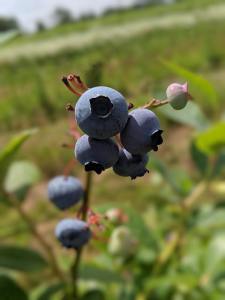
For instance, fruits like blueberries and strawberries are often air-shipped to Europe and the US. This happens particularly when local varieties are out of season.
Research by sustainability expert Angelina Frankowska reveals that asparagus imported to the UK has the highest carbon footprint among vegetables. that’s because the country imports asparagus from Peru.

Also, depending on the crop, agricultural practices like fertilization and tilling do contribute to greenhouse gas emissions and soil erosion.
We all know by now how more people love almonds and cashews, don’t we? They’ve become easy picks for people that don’t consume animal products or people who want to reduce consuming animal products.
And to be fair, it’s not without good reasons. Nuts like almonds and cashews are rich in nutrients and they taste nice.
But tree nuts also have significant environmental footprints. Cultivating cashews and almonds in particular require vast amounts of water and resources.
Almonds specifically need a substantial amount of water, pesticides, and fertilizers. So, they contribute disproportionately to environmental impact.
As for carbon emissions, cashews surprisingly release significant carbon emissions. That’s not including their low yield and complex processing, as well.
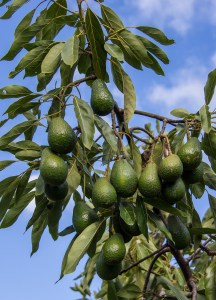
What about avocado?
It’s hard to picture vegetarian or vegan foods without avocado. And personally, I love how we can turn it into sweet smoothies/desserts or savory, filling meals.
But it turns out, avocado requires huge amounts of water, too.
For instance, a single mature tree in California needs up to 209 liters (46 gallons) every day in the summer.
To grow one avocado, estimates say that it takes anything from 140 liters (30 gallons) to 272 liters (60 gallons) of water. That makes about 834 liters (183 gallons) per kilogram of fruit.
Moreover, the fruit is also bathed in hot water for over an hour to control decay. And since it ripens rapidly, it has to be flown by air for Europe or US importers.
In some areas like Peru and Chile, the growing demand for the crop has led to illegal extraction from rivers. Avocado has also been blamed for an increasing water-shortage crisis.
So, depending on the places where it’s cultivated, avocado crops put huge pressure on the local environment.

But mushrooms are good… right?
As for mushrooms, we know that they’re packed with nutrients, delicious, and staple substitutes for meat. Beyond being a versatile ingredient, mushroom benefits extend to their role as a nutrient-dense, low-fat, and sustainable food option.
Analysis by the University of Michigan, and a study funded by the US Department of Agriculture found that cultivating mushrooms can produce around 2kg to 3kg of CO2 on average.
Such numbers are still less than the greenest chicken (at 4.1kg of CO2), but they’re more than tuna at 2.2kg of CO2.
Where does the carbon come from? Well, most of it comes from the energy needed to keep the mushroom rooms warm.
Did you know that growing rooms and compost may need to reach temperatures of up to 62C?
Some mushroom varieties can require CO2 levels that are up to 48 times higher than the outside air.
And sometimes, excessive CO2 is often exchanged with fresh air.
Another thing to consider is that some growers use peat in the mushroom sector.
There’s nothing wrong with using it, provided that it’s sourced responsibly and sustainably. Otherwise, it can damage vulnerable bog ecosystems and deplete their ability to store carbon.

The case of mycoprotein
Reaching popularity due to its excellent ability to substitute meat, mycoprotein has some surprising environmental impacts.
Producing mycoprotein does only need just a fraction of land when compared to chicken, pork, or beef.
However, one study estimates that the carbon footprint of mycoprotein is around 5.55-6.15kg CO2.
More than half of this comes from processing after the fungi produces the protein.
Furthermore, to grow sugar that the fungi feeds on, producers need fertilizer. It accounts for 11% of the emissions.
But the good news is, some companies have been experimenting. They want to test if fungi might be able to grow on agricultural food waste instead of sugar.

Bottom line: be aware of where your food comes from and reduce meat
This is not to say that one shouldn’t eat fruits or veggies because they’re not the greenest.
The message is: it’s still true that plant-based foods generally have lower environmental impacts than meat. So, it’s wise to consume more of them.
However, it’s also important to carefully assess one’s meat substitute.
Choosing locally sourced seasonal fruits and vegetables is recommended to minimize environmental impact.
Sustainability researcher Martin Heller has advised reducing meat consumption and being mindful about how foods are grown and transported.
sources:
https://www.bbc.com/future/article/20200211-why-the-vegan-diet-is-not-always-green
Leave a Reply