

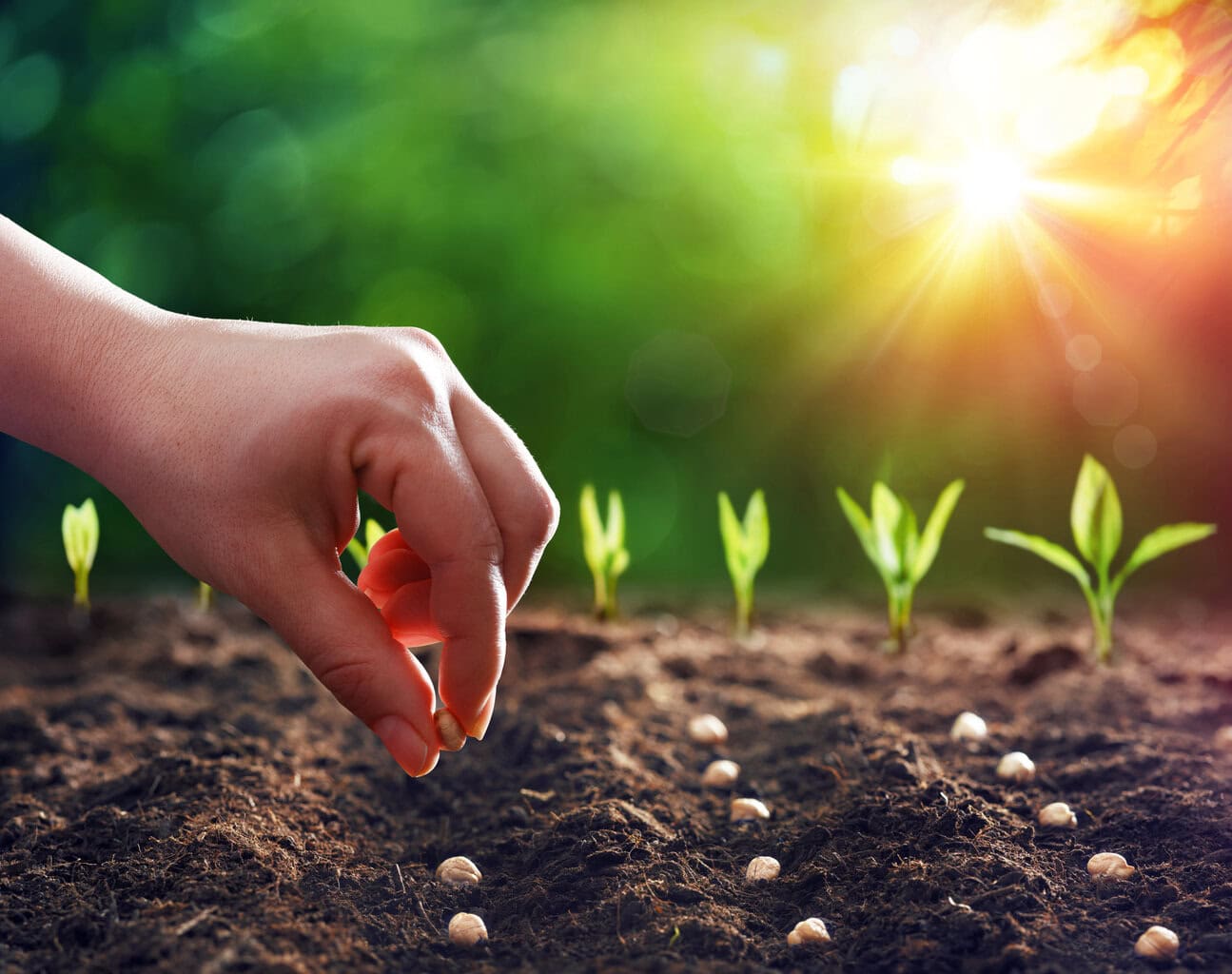
There’s a lot that goes into organic farming. Building healthy soil. Managing weeds without chemicals. Timing crop cycles with the seasons. Every step calls for careful planning. But one part of the process often gets less attention than it should—the seed.
It’s more than just a bag of grain. It’s the first investment, the one that sets the tone for the whole season. And when you’re working within the limits of organic systems, where fewer quick fixes exist, that seed becomes even more important.
But why does it matter so much? That’s what this article is here to break down. Read on!
Supports Clean, Nutrient-Rich Crops

The seed is where it all begins. If it’s strong and clean, the plant has a better chance of growing into something healthy and nutrient-dense. In organic systems, where chemical treatments are off the table, the genetics and strength of the seed really shine.
A good seed doesn’t just survive—it thrives. It’s built to do more with less. And that matters to the people who will eventually eat the food. Whether it’s your own family or customers at a local market, people care about what’s in their food—and what’s not.
Plus, the crops grown from strong, untreated seeds often have better flavor, higher nutritional value, and fewer safety concerns. It’s not just about meeting organic certification standards. It’s about knowing your food is clean, safe, and something you can be proud to share.
However, to ensure that the foundation is solid, it’s a smart move to Get the best quality seeds from seed farm suppliers who understand the needs of organic growers. They often provide reliable, high-performing options that give you the best results.
Better Resistance Without Chemicals
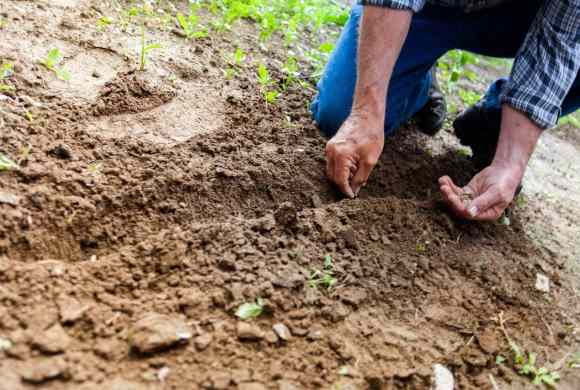
In organic farming, you don’t have the convenience of reaching for chemical sprays when something goes wrong. That’s why the strength of your seed is so important. Organic-friendly seed varieties are often bred with natural resilience in mind.
They’re developed to stand up to common pests and diseases without needing synthetic help. This doesn’t just protect your crop early on—it supports healthier growth through the entire season.
When you start with weak seeds, you often spend more time, money, and effort trying to fix problems. That could mean extra inputs, extra labor, or both. But if your seed has been bred for strong natural defenses, it can take care of itself a little better. That doesn’t mean you won’t have challenges, but it does mean you’ll spend less time chasing solutions. The right seed sets the tone for the entire crop—and makes everything after that easier to manage.
Adapts to Local Conditions
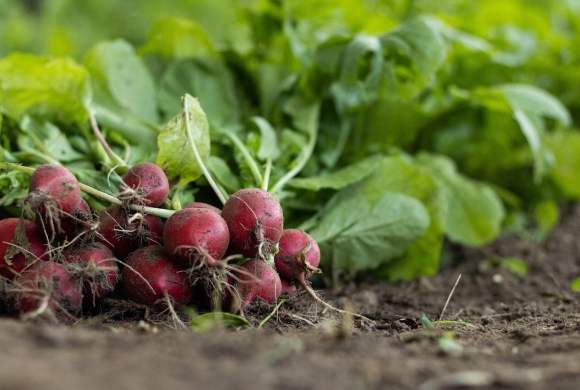
Not all seeds perform the same in every environment. That’s why choosing a seed that’s adapted to your local conditions is a game-changer. When a seed has been tested and proven in your specific soil, climate, and pest pressure, it’s more likely to succeed.
It might handle a surprise dry spell better or bounce back faster from the early spring chill. These small advantages add up. Seeds that are bred or selected for your region are already familiar with the challenges they’ll face. They don’t need extra adjustments or constant babysitting.
That’s especially helpful in organic systems, where inputs are limited and every bit of natural resilience matters. Local adaptation also means your plants experience less stress, which can lead to stronger root systems, better flowering, and more reliable harvests. In short, the seed fits your farm—and that makes your job a lot easier.
Stable and Predictable Yields
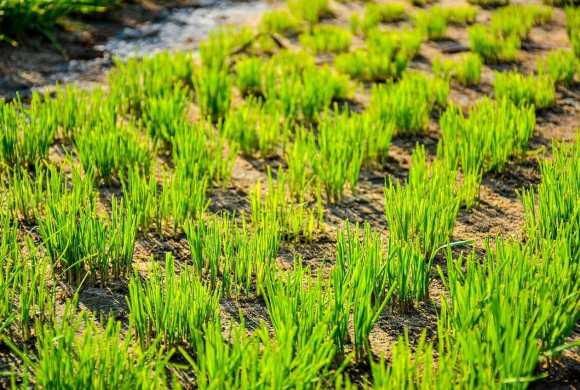
Every farmer knows that no two seasons are the same. Weather changes, pest patterns shift, and soil conditions can vary even within the same field. In organic farming, where there’s less reliance on synthetic boosters, consistency can be hard to come by. That’s why stable, reliable seed matters so much.
Organic-appropriate varieties are designed to deliver dependable results, even when the season throws you a few surprises. You may not always get record-breaking yields. But with the right seeds, you reduce the chance of big dips or total crop failures. This stability helps you plan ahead financially and logistically.
You know more or less what to expect, and that lowers your stress when it’s time to make key decisions. Predictability isn’t flashy, but it’s powerful. It lets you build a stronger business over time without betting everything on unpredictable outcomes.
Long-Term Benefits
Choosing the right seed isn’t just about this season—it’s about setting your farm up for the future. Organic-compatible seeds often work better with soil biology, which means they support healthier soil over time.
Many of these varieties pair well with compost, cover crops, and natural microbial communities. They fit into your whole system, not just your planting schedule. They’re also useful for rotation planning. For instance, planting a legume that fixes nitrogen can improve the soil for the next crop, cutting down your input needs.
Over time, these thoughtful seed choices help build a more balanced, less reactive farm. You’ll spend less time fighting problems and more time observing real progress. Choosing well now makes your future seasons smoother, healthier, and more rewarding—for both you and your soil.
Closing Lines
The right seed isn’t just a tool—it’s your first and most important decision. Pick seeds that support your goals, your land, and your future. Talk to reliable suppliers, ask the right questions, and make seed choice part of your long-term strategy.
Leave a Reply