

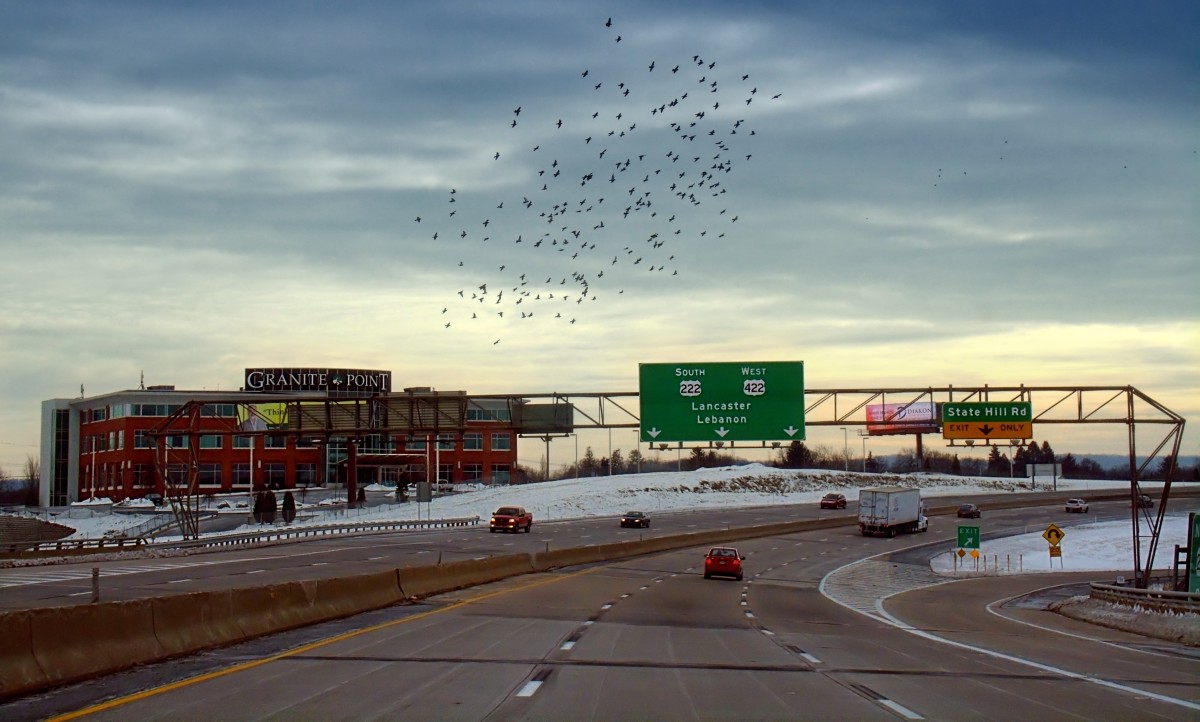
Cities are no longer mere concrete jungles. They have evolved into thriving ecosystems that provide refuge for a wide range of plant and animal species. As cities grow, it becomes crucial to understand how species adapt to urban life.
Some species change their behavior to survive, while others develop new traits. For example, birds have learned to nest in buildings, and rodents have become more active at night to avoid humans. These adaptations have both positive and negative effects, such as increased pests and diseases.
By understanding these changes, we can manage cities in ways that benefit both people and wildlife. But what actually that we need to understand? Here in this article, we are going to talk about it.
Cities Provide a Refuge for Species Under Threat
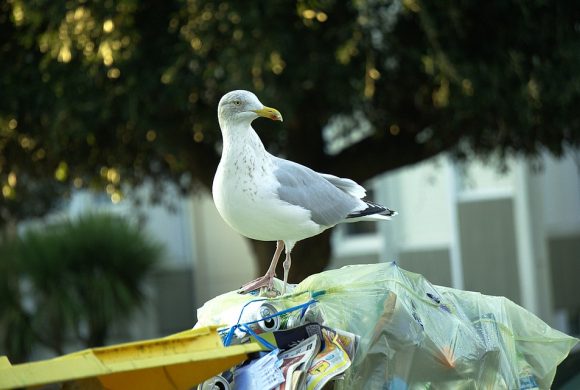
Like we mentioned above, urban areas are not just concrete jungles as they can be havens for biodiversity. Cities play a crucial role in protecting diverse species facing threats like deforestation and climate change. They provide a refuge with various habitats like parks, gardens, and green roofs. Additionally, cities connect fragmented habitats by creating green corridors, enabling the movement of species.
Cities are excellent platforms for biodiversity education. Their large populations offer opportunities for awareness through school programs, public events, and initiatives. Moreover, cities promote sustainability through practices like recycling, composting, and energy conservation. These actions reduce environmental impact and create a welcoming environment for wildlife.
As our world urbanizes, recognizing cities’ role in protecting biodiversity is vital. Conservation and restoration efforts in urban areas ensure a healthy future for both humans and wildlife. To support biodiversity, it is important to:
Create green space to provide wildlife habitat, improve air quality, and reduce noise pollution. Plant native species adapted to local conditions, offering food and shelter for wildlife. Reduce pesticide use to prevent harm to wildlife and water supplies. Control invasive species to maintain balance and preserve habitats. Educate the public about biodiversity’s importance to inspire action and protection.
By implementing these measures, cities contribute to a sustainable and livable future. Let’s preserve the incredible biodiversity around us, making a positive impact on our shared environment!
Adapting to Urban Life
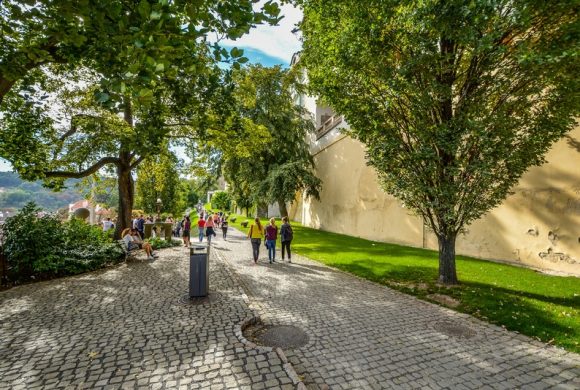
Cities are bustling ecosystems where numerous plants and animals coexist. However, not all species can easily adapt to urban life. Those capable of adapting quickly have a better chance of survival.
Adapting to urban life presents challenges. Habitat fragmentation, caused by buildings, roads, and parks, makes it harder for animals to find food, water, and shelter. Pollution, including air, water, and noise pollution, can harm plants and animals. Human activities and disturbances cause stress and hinder reproduction.
Despite these obstacles, some species successfully adapt to urban environments. They evolve to tolerate pollution, noise, and human disturbances. They also learn how to find food and shelter within cities.
Pigeons are common urban birds with the ability to find food and endure pollution and noise. Rats, too, adapt well, quickly finding food and shelter. In Europe, tree sparrows build nests in artificial structures like street lamps, while Baltimore orioles in North America nest in hanging baskets.
Adapting to urban life is increasingly important as cities expand due to population growth. Understanding species’ adaptations aids in comprehending urban environments’ impact on the ecosystem and developing strategies to protect urban wildlife.
In conclusion, while cities pose challenges, some species have successfully adapted to urban life. Studying these adaptations provides valuable insights to ensure harmonious coexistence between humans and wildlife in our rapidly growing urban world.
How the Changes Happen

Behavioral changes play a vital role in how animals adapt to urban life. They adjust their behavior to suit the challenges of city living. For instance, some birds have learned to rely on bird feeders for a consistent food source. Nocturnal animals like coyotes have shifted their activity patterns to avoid human encounters.
In addition to behavioral changes, genetic adaptations also occur. Over time, animals with genetic traits that make them better suited to urban environments have a higher chance of survival and reproduction. A study on white-footed mice in New York City revealed longer noses and shorter teeth compared to their rural counterparts. These changes may aid in adapting to the colder climate and the abundance of human food in urban areas.
Furthermore, as more animals adapt to urban life, evolutionary changes may occur, potentially leading to the emergence of new species. Urban environments differ significantly from natural habitats, presenting distinct challenges and opportunities. Natural selection favors individuals with traits that enhance their urban survival and reproductive success.
Adaptability to urban life is increasingly crucial as human populations expand into new territories. Animals that can successfully adapt are more likely to thrive and even evolve into new species. This field of research deepens our understanding of the dynamic relationship between humans and animals. It also guides efforts to protect wildlife in urban areas.
Understanding the Changes

Cities are expanding and becoming important homes for diverse plant and animal species. Some species have adjusted to urban life by changing their behavior, while others have developed new traits. Birds, for instance, have learned to nest in buildings, while rodents have become more active at night to avoid humans. These adaptations have allowed some species to thrive, but they have also brought challenges like increased pests and diseases.
Understanding species’ adaptations in urban environments is crucial for managing cities in a way that benefits both people and wildlife. Planting trees and flowers that provide food and shelter for wildlife and creating green spaces can connect people and animals with nature. Our knowledge of urban evolution can also help develop strategies for pest control and disease prevention.
Alongside the benefits for wildlife, urban biodiversity brings advantages to city dwellers. Studies have shown that living in green spaces reduces stress, improves mental health, encourages physical activity, and fosters social connections.
Overall, comprehending species’ adaptations to urban life enables us to build sustainable and livable cities. By working together, we can ensure that cities support the flourishing of both people and wildlife.
Additional ways to support species adapting to urban life include reducing pollution and noise, providing access to clean water and food, creating safe habitats for nesting and breeding, controlling invasive species, and educating the public about the importance of urban wildlife. By implementing these measures, we can maintain vibrant and diverse cities for both humans and animals.
Sources:
Leave a Reply