

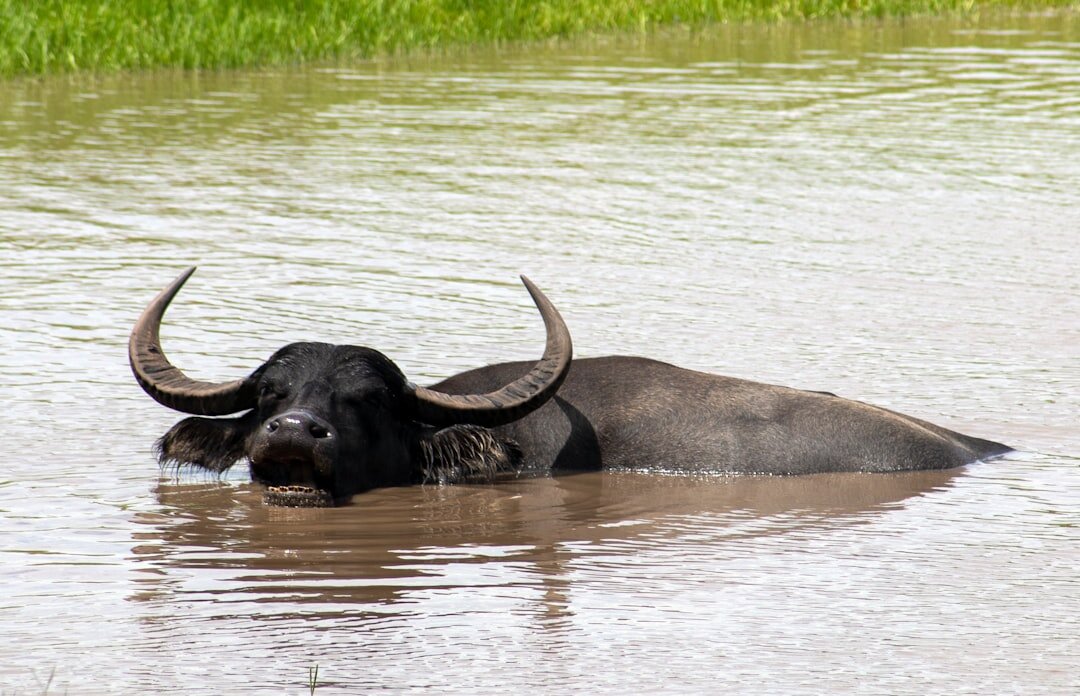
Six female water buffalo were introduced to west Exmoor as part of a special conservation project. The National Trust brought these animals to a place called Tattiscombe in north Devon, England.
The project aimed to turn farmland back into natural wetlands. Water buffalo are called “wetland architects” because they help shape the land in ways that benefit nature. They use their hooves to churn the soil, create shallow pools called wallows, and keep ponds open.
This work helps water flow more slowly and settle naturally on the moors. The buffalo also help the soil hold water better during both floods and droughts, which made the landscape stronger and healthier.
So, want to learn more about it? Here we go.
Why Water Buffalo?
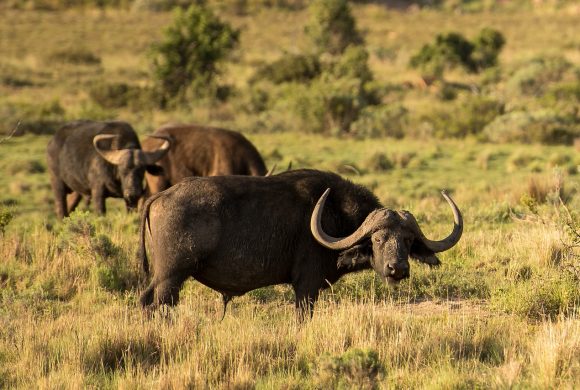
Water buffalo are large mammals that originally come from Asia. They have big bodies, thick skin, and large curved horns. These animals have lived in wetland areas for thousands of years, so they are perfectly suited to living in wet, muddy conditions.
In recent years, people in the United Kingdom started using water buffalo at various nature sites instead of using heavy machinery to improve biodiversity.
The National Trust chose water buffalo for this project because they are much hardier than domestic cattle. It means they are stronger and can handle difficult conditions better.
Water buffalo are more tolerant of waterlogged ground, which means land that is very wet and muddy. Regular farm cattle do not like standing in water and mud for long periods, but water buffalo feel comfortable in these conditions because this is their natural habitat.
The six female buffalo were placed on a 120 acre site at Tattiscombe. This is a very large area where the buffalo have plenty of space to move around and do their important work.
The site includes different types of land such as wood pasture, grassland, hedgerows, and wetlands. All of these different habitats will benefit from the buffalo’s presence.
How Do Water Buffalo Help?
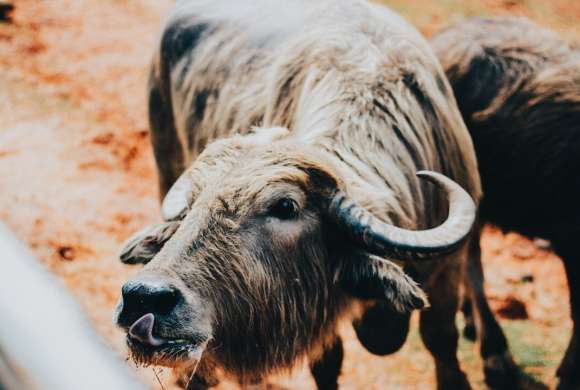
Water buffalo help the environment in many important ways. Murray Sharpe, who is the farm manager for the West Exmoor National Trust, explained that buffalo are specialized wetland animals.
This means they have special abilities and behaviors that make them perfect for living in wet areas. The Tattiscombe site offers an ideal habitat for them because it has many ponds, scrapes, and ditches.
When the buffalo walk around and graze, they do much more than just eat grass. Their heavy hooves churn up the soil, which means they mix it and break it up. This creates different levels and textures in the ground.
They also create wallows, which are shallow pools where the buffalo roll around to cool off and protect themselves from insects. These wallows become important homes for many small creatures like insects, frogs, and water plants.
The buffalo also help keep ponds open. Sometimes ponds get filled with plants and mud over time, making them smaller or causing them to disappear completely. When buffalo walk through and around these ponds, they prevent this from happening. They eat some of the plants and their movement stops the ponds from closing up.
Another important job the buffalo do is slowing down water flow. When rain falls on the moors, the buffalo’s churned up soil and the wallows they create help catch and hold the water. This stops all the water from rushing away quickly.
Instead, it settles naturally on the land. This is very helpful during both floods and droughts. During floods, the land can absorb more water instead of letting it all flow away at once. During droughts, when there is not much rain, the water that was held in the soil can slowly release and keep the area moist.
Sharpe said the buffalo would help shape a broader range of habitats than humans could achieve without them. They create a wealth of new niches for wildlife.
The Expecctation

The National Trust team has high hopes for this project. Alex Palmer, who works for the National Trust, said that introducing buffalo would build on the success of work already completed at the site.
This means other conservation work had already been done, and the buffalo would make these efforts even more successful. He described the buffalo as a key component for the future success of the site.
The team expects to see many positive changes over the coming years. They will monitor how the landscape responds to having the buffalo there.
The team will track several important things. First, they want to see if water moves more slowly across the land and if more water stays in the soil instead of running off quickly. They also will track plant diversity.
Different plants provide food and homes for different animals, so having more plant diversity is very good for nature. They will track wildlife numbers. They expect that more birds, insects, amphibians like frogs and newts, and other animals will come to live in the area. The different habitats created by the buffalo should attract many types of wildlife that need wetland environments.
The goal of the project is to restore the agricultural land to its original state. Agricultural land is land that has been used for farming. Before humans started farming in this area, it was natural wetland. By bringing back the wetland conditions, the National Trust hopes to bring back the plants and animals that used to live there many years ago.
No Trespassing

There are some important practical details about this water buffalo project. The area where the buffalo live cannot be accessed by the public. This means regular people cannot walk into this space to see the buffalo up close.
This restriction is important for two reasons. First, it keeps the buffalo safe and calm so they can do their work without being disturbed. Second, it protects people because water buffalo are very large, strong animals that could be dangerous if approached.
This project is part of a growing trend in the United Kingdom. More conservation organizations are using large animals like water buffalo, bison, and wild horses to help restore natural habitats.
These animals do work that would be very difficult and expensive for humans to do with machines. They also do it in a more natural way that benefits wildlife. As climate change causes more extreme weather with both floods and droughts, projects like this become even more important for helping the land cope with these challenges.
Sources:
Leave a Reply