

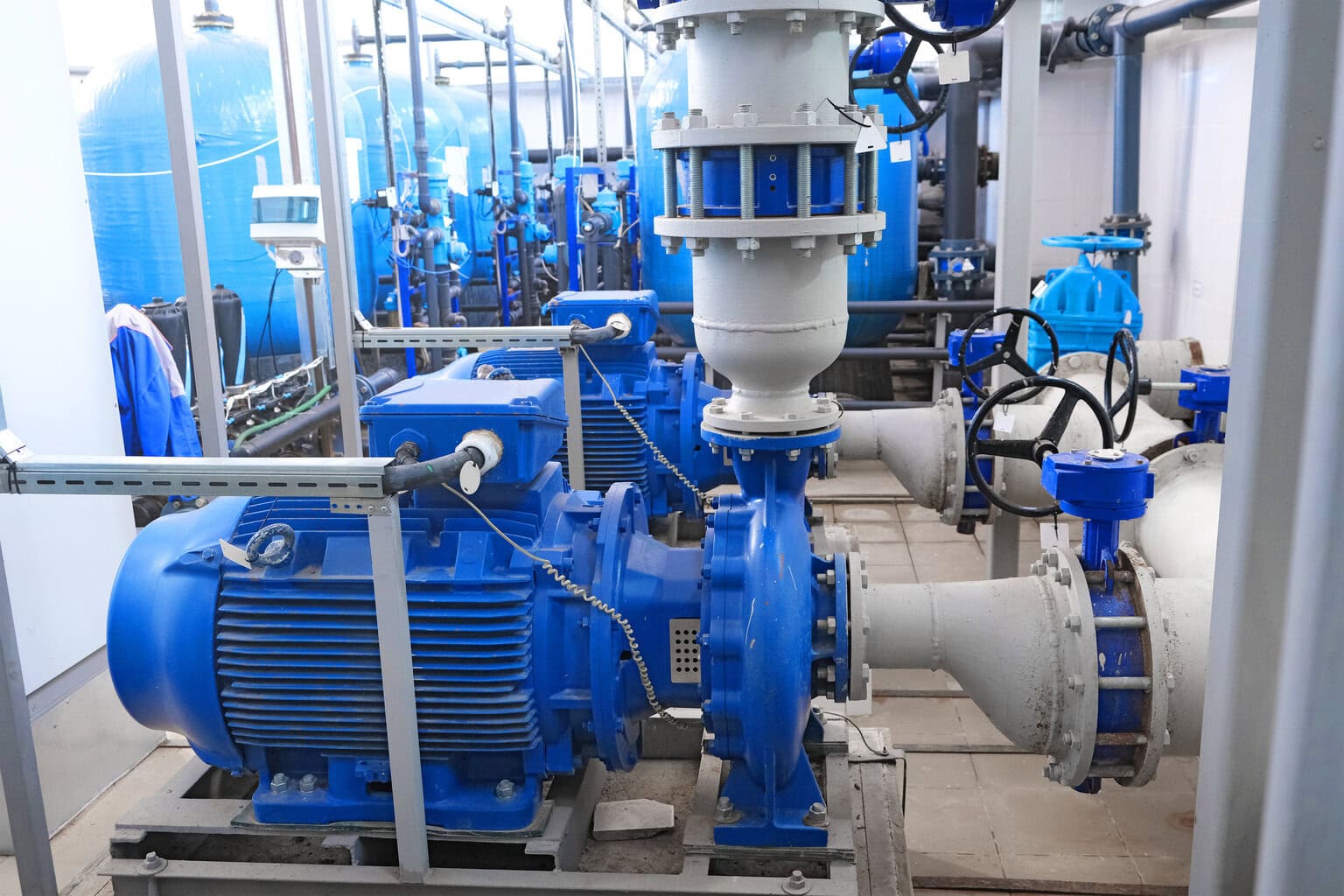
Wastewater treatment plants are an indispensable part of modern urban infrastructure, purifying used water so that it can be safely reused or returned to the environment. The process of removing contaminants and suspended solids from wastewater is a complex one, as it moves through various stages of treatment, from initial screening and sedimentation to biological processing and disinfection. Each step requires precise coordination and as such, treatment plants need to invest in their pump controllers to ensure uninterrupted processing.
Pump controllers have a simple function: to manage pumps and keep wastewater moving smoothly through each stage of treatment. Their role is straightforward and central to the operations of wastewater treatment plants.
Below, we will discuss the vital contributions of pump controllers and how they enhance operational efficiency, ensure reliability, and promote sustainability within the treatment process.
Regulates Wastewater Flow and Pressure

In wastewater treatment, regulating wastewater flow is crucial because fluctuations can cause inefficiencies or even system failures. This can lead to increased treatment times, compromised water quality, and costly repairs, ultimately impacting the plant’s ability to meet regulatory standards and serve the community effectively.
To maintain a steady flow, a pump controller continuously monitors the level of wastewater in various parts of the water treatment facility. Should there be deviations from the desired levels, it adjusts the pump’s speed as necessary to achieve a consistent flow rate.
In addition to regulating wastewater flow, a pump controller also plays a role in managing pressure levels to avoid excessive strain on the equipment. Too much pressure can lead to damage or even catastrophic failures, like pump ruptures and pipe bursts; meanwhile, too little pressure can result in incomplete treatment of the wastewater.
With a pump controller keeping wastewater pressure at optimal conditions, plant managers can safeguard the integrity of the treatment equipment and ensure that contaminants are effectively removed.
Monitors and Controls System Performance

Modern pump controllers come equipped with advanced sensors and control algorithms to provide real-time data on various operational parameters, such as pump speed, energy consumption, and water quality metrics. Their ability to collect and analyse performance data is crucial for plant operators, as it allows for proactive management of the treatment process and the plant itself. With the insights provided by control systems, operators can optimise the treatment stages and adjust pump operations as needed. This ensures that the facility meets the necessary standards for effluent quality.
Prevents Overflows and Dry Runs
Overflows and dry runs can have severe consequences for wastewater treatment plants. Overflows can lead to environmental contamination, regulatory fines, and significant damage to infrastructure, while dry runs—which is when a pump operates without sufficient fluid—can cause mechanical failure and costly repairs. To mitigate these risks, pump controllers can be installed to closely monitor the wastewater levels in holding tanks and wet wells.
When a pump controller detects that the water level is nearing a predefined threshold, it can automatically adjust the pump operation or activate additional pumps. If the sensors indicate low levels, on the other hand, the pump controller can shut down the pump to prevent dry running. This intelligent monitoring and control not only protects the equipment but also ensures that the treatment process remains stable and efficient.
Extends the Lifespan of Equipment

One of the often-overlooked benefits of using pump controllers in wastewater treatment plants is their ability to extend the lifespan of equipment. By regulating pump operations and preventing conditions that can lead to wear and tear, pump controllers help ensure that the machinery operates optimally. For instance, controlling flow rates and pressure levels reduces the likelihood of mechanical stress—which then minimises the risk of premature failures in pumps and associated equipment.
Additionally, pump controllers can help identify any anomalies and enable timely maintenance interventions. Regular maintenance based on the data provided by the pump controller can significantly reduce the risk of unexpected breakdowns and prolong the life of critical components. As a result, wastewater treatment plants can benefit from lower replacement costs and reduced downtime, contributing to overall operational efficiency.
Reduces Energy Consumption
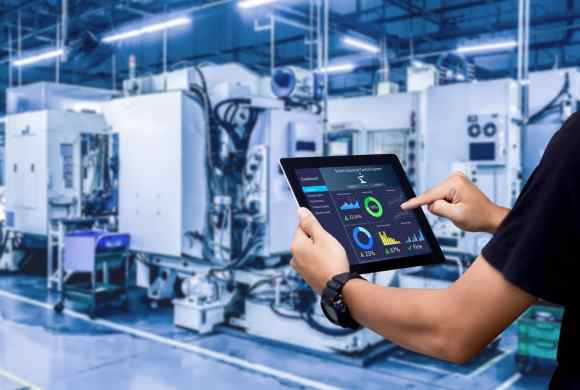
Energy efficiency is a growing concern for wastewater treatment facilities, and pump controllers are vital in addressing this situation. With many modern pump controllers designed for automation, these systems reduce energy consumption by optimising pump operations based on real-time data.
This means that they can make immediate adjustments to pump operations without the need for constant human oversight. This capability allows treatment plants to respond quickly to changes in wastewater flow and pressure, ensuring that pumps run only when necessary and at optimal speeds.
Increases Cost Savings
The integration of pump controllers into wastewater treatment operations leads to substantial cost savings. By improving the efficiency and reliability of the treatment process, pump controllers help reduce operational expenses across multiple fronts. For instance, the prevention of overflows and dry runs mitigates costly emergency repairs and potential fines from regulatory bodies.
The extended lifespan of equipment also means that capital expenditure on replacements or repairs is significantly decreased. Furthermore, by reducing energy consumption and optimising maintenance schedules, pump controllers contribute to lower utility bills and maintenance costs.
Pump controllers aren’t just components of wastewater treatment plants; they’re key players in ensuring water systems function effectively and sustainably. Their ability to optimise operations can help facilities safeguard water resources and smoothen the shift towards more sustainable practices in wastewater management.
Leave a Reply