

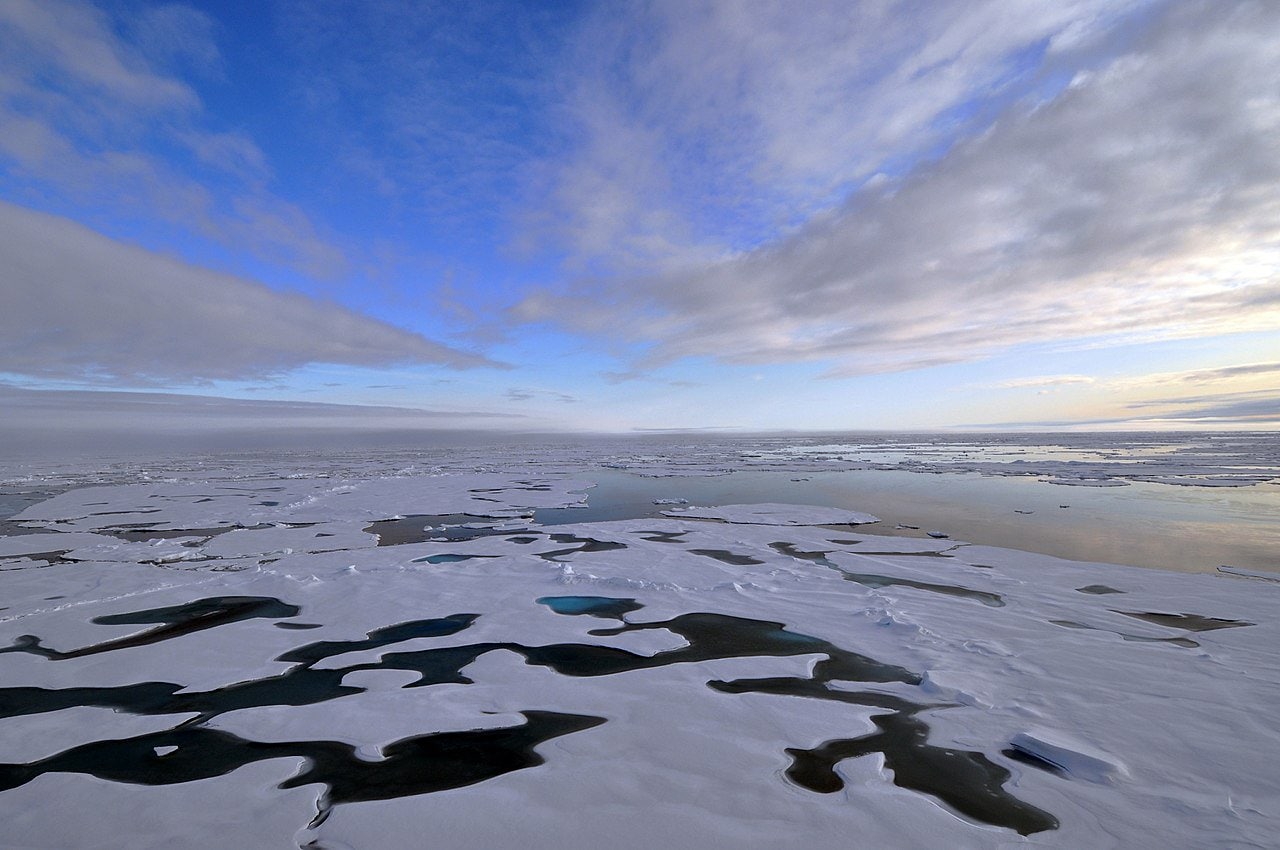
In 2021, there was heavy rain on Greenland’s 10,551-foot summit. It caused a noteworthy meltdown and a retreat of the snowline by over 2,000 feet.
It caught the attention of Joel Harper, from the University of Montana. Harper is a glaciologist who studies the Greenland ice sheet.
The event reminded him of an anomaly in his data from 2008. At that time, there was an indication of rain during the fall. In the area, fall is a time when it’s usually frozen and dark most of the day.
So, Harper and colleagues thoroughly examined data collected from sensors on the ice sheet years ago. They didn’t believe what they looked at.
It rained, yes, but it had rained for four days straight as the air temperature rose to 30C (54F). The temperature was nearing and surpassing the freezing point.
This rainfall significantly warmed the summit’s firn layer by 6 to 23C (11 to 42F). FYI, firn is snow that’s transitioning to ice.
The rainwater and surface melt seeped into the firn up to 20 feet deep before refreezing. It formed a barrier that would affect the flow of meltwater the following year.
Events like these get much attention due to its significance. The melting of the Greenland ice sheet, like glaciers worldwide, contributes significantly to sea-level rise.
According to Harper, each rain-on-snow event alters the structure of the firn layer. That makes the firn more susceptible to future melting.
He emphasized that even a slight increase in the frequency and intensity of such events could have a significant impact.
Rain in the cold?
Before global warming first became a prevalent global issue, rain was uncommon in most Arctic regions. It was rare due to the typically cold and dry conditions.
However, Arctic temperatures warm at a rate three times faster than the global average. Studies suggest a substantial increase in precipitation in the coming decades, with more rain than snow in many areas.
Changes like these will affect sea ice, glaciers, and Greenland’s ice cap profoundly. And right now, they’re already melting at alarming rates.
Mark Serreze, from the National Snow and Ice Data Center has given warnings. Increased flooding, accelerated permafrost thaw, changes in water quality, more landslides, and challenges for Indigenous peoples are a few.
Evidence of these changes is already visible, with thunderstorms occurring in historically rare areas.
There have been acceleration on surface crevassing and slush avalanches. It poses risks to the stability of the region.
Climate scientist at the University of Alaska Fairbanks Rick Thoman noted an increase in rainfall throughout the state. It has led to more floods, landslides, and hazardous road conditions due to winter rain on snow.

Serreze mentions that understanding rain and rain-on-snow events in the Arctic is still in its early stages. It’s not well-understood.
The challenge is compounded by difficulties in distinguishing between rain and snow using satellite and weather station data.
Not enough man power in the field
Additionally, there’s a shortage of scientists on the ground to directly observe the effects of rain falling on snow.
Hunters were the first to report significant incidents related to rain-on-snow events.
They observed about 20,000 muskoxen perishing in 2003. It was caused by a rain-on-snow event on Banks Island in Canada’s High Arctic.
Similar cases happened in 2013-2014 and 2020-2021. Those events led to population decimation of tens of thousands of reindeer on Siberia’s Yamal Peninsula. Rain made the snow harden, forming ice– which made it difficult for animals to get food.
Wildlife biologist Kyle Joly expressed concerns about the impact of more this events on caribou populations. Caribou has been declining rapidly, to make things even more concerning.
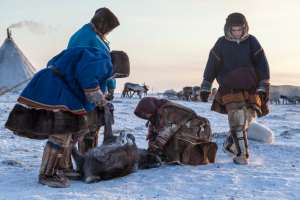
This decline affects the Indigenous communities that rely on these animals for living. What will become of their health if hunting becomes harder and unsustainable?

The decline in caribou populations is evident. Alaska’s western Arctic herd decreased from 490,000 in 2003 to 152,000 in 2023.
The Bathurst herd in Canada’s central Arctic has plummeted from approximately 470,000 animals in the 1980s to just 6,240 today. After knowing the numbers, some regions have banned hunting.
Caribou populations face various challenges. The animal has faced energy depletion from biting flies, migration disruptions due to infrastructure development, and injuries from sharp ice and crusty snow.
Rain-on-snow events exacerbate these challenges, as seen in Alaska. It’s where significant wildlife losses occurred due to hard snow and ice preventing animals from accessing food.
The impact of rain on snow extends beyond large mammals.
Peregrine falcon chicks, lacking protection against cold when wet, are vulnerable to hypothermia.
Moreover, the shift from snowmelt-dominated runoff to runoff from both rain and snow is speeding up permafrost thaw and ground slumping.
This change is causing fish-bearing lakes to fill with sediments, affecting their health.
One study observed a fiftyfold increase in turbidity in a lake. It led to higher mercury levels and a decline in the health of Arctic char, a fish vital to the Inuit community.
Research on the hydrological and geochemical effects of rain-on-snow events in polar desert regions, such as Melville Island in Canada’s High Arctic, highlights concerning trends. Though, there is a need for further investigation.
A notable increase in rain
Despite having only 20 years of data, some scientists believe that there’s a noteworthy increase in heavy rain events. In Summer 2022, there was anunusually heavy rainstorm dropped an entire summer’s worth of rain in less than 48 hours.
To have a good grasp at these impacts, Serreze and his team compiled a database of all documented rain-on-snow events across the Arctic.
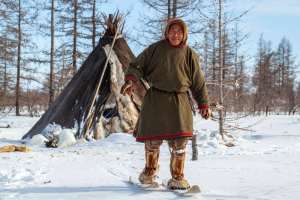
Additionally, scientists are collaborating with Indigenous communities to validate satellite data and share their findings.
Way, of Inuit heritage, recalls witnessing the migration of the George River caribou herd in central Labrador, once numbering 750,000 but now reduced to just 20,000 due to climate change challenges.
Way is collaborating with Labrador’s Inuit to understand how weather events affect caribou, food security, and travel on snow and ice.
However, he notes challenges due to the closure of weather stations in Canada, making it harder for scientists to accurately distinguish rain from snow, particularly in near-freezing temperatures.
Serreze emphasized the importance of understanding how rain-on-snow events impact the Arctic.
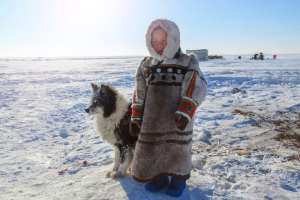
Researchers must grasp how frequently and where these events occur and their effects on the landscape and wildlife.
While satellites and weather models offer insights, ground-level validation is essential.
Serreze stresses the need for collaboration with Indigenous communities, who directly experience these impacts.
In a 2007 study at the University of Colorado Boulder, Serreze warned of a potential tipping point in Arctic climate change.
The shift from snow to rain in the Arctic is one such indicator, and he anticipates more surprises ahead.
Despite efforts to stay informed, some everyday acknowledges ongoing surprises in Arctic conditions.
Sources:
https://e360.yale.edu/features/arctic-rainfall-climate-change
Leave a Reply