


Ever find yourself pondering how to weave the magic of recycling and sustainability into your child’s world? The challenge of raising environmentally aware little ones can be as overwhelming as it is crucial.
In a world buzzing with concerns about climate change and environmental health, shaping the minds of your young ones becomes a vital mission. Picture a world where every child is aware and actively engaged in the quest for a greener planet.
In this blog, we’ll explore tips and tricks to seamlessly integrate eco-friendly habits into your child’s daily life.
Defining Recycling and Sustainability for Children
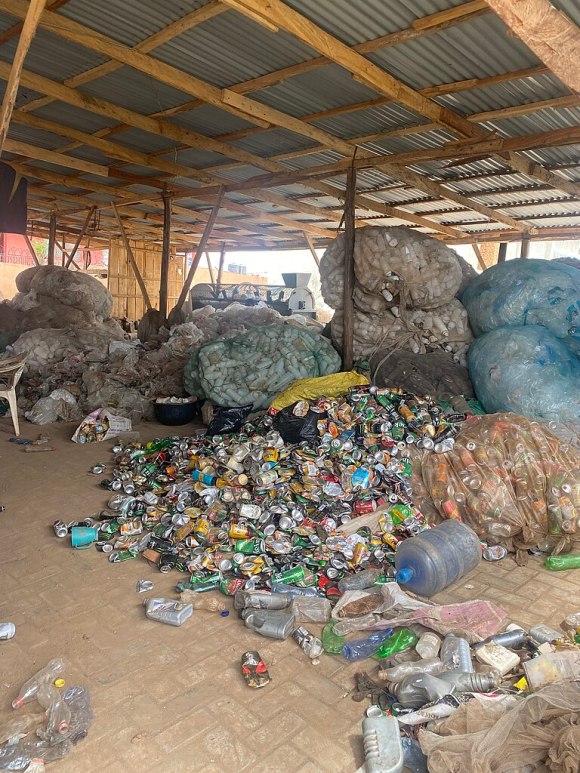
Recycling, for kids, is like giving a second life to everyday items instead of tossing them away. Imagine their old toy packaging turning into something new. It’s like magic that helps the planet stay clean and healthy.
According to the American Montessori Society, engaging children in hands-on recycling activities provides valuable insights into the transformative process of waste materials. Besides the typical recycling container, adding a bin that kids may use for creative projects that include recycled materials increases their involvement. Discussions about recycling and reuse are integrated into activities, fostering an understanding of environmental responsibility.
Introducing a “scrap paper” bin encourages children to repurpose partially used paper for future projects, emphasizing the concept of reuse. This interactive approach not only develops recycling habits but also cultivates engineering and design skills, encouraging a creative perspective on waste materials.
Now, sustainability is a bit like being a superhero for the Earth. When you talk about sustainable living, you mean using things that don’t harm the environment so it stays happy and thriving. It’s about making choices that keep the world beautiful for a very long time.
Interactive Learning

In the world of raising little environmentalists, interactive learning becomes the key to unlocking the wonders of recycling and sustainability for kids.
In their early years, children are like sponges, soaking up information and experiences. During this time, you can mold their understanding of the world, making concepts like recycling and sustainability not just lessons but adventures. Similarly, implementing recycling at a young age sets the stage for lifelong eco-friendly habits. It’s not just about teaching them to separate plastic from paper; it’s about fostering a mindset of resourcefulness and responsibility.
By incorporating simple, hands-on activities into their daily routine, kids start to grasp the tangible impact of their actions on the environment. These activities may include creating recycled crafts or having a small garden.
Involving children in recycling activities fosters a sense of accomplishment and responsibility. Engaging children with books, games, and videos can offer them intriguing insights into their environment, potentially sparking new hobbies.
Learning about the life cycle of discarded materials, including visits to landfills and observing littered areas, helps kids understand that trash doesn’t vanish magically. This awareness instills a sense of environmental responsibility, shaping their attitudes towards waste and sustainability.
Nature-Inspired Projects

Encourage your little ones to explore exciting adventures to nurture their artistic flair. It also instills a deep appreciation for the environment. Transform discarded items into masterpieces with DIY projects that breathe new life into old materials. Crafting bird feeders from recyclable containers or designing flower pots from unused bottles not only sparks creativity but also highlights the beauty of repurposing.
Engaging in these projects, kids discover the interconnectedness of nature and art, realizing that even a small effort can make a big impact. Take inspiration from the natural world by creating leaf rubbings and exploring textures and colors in the environment. Through these hands-on experiences, children not only learn about recycling but also forge a profound connection with the Earth.
Tackling Wasteful Packaging
Wasteful packaging is like a puzzle that needs solving. Children can learn to identify excessive packaging and understand its environmental impact. Encourage them to question why some items come with so much wrapping, helping them grasp the concept of reducing unnecessary waste.
Engage your kids in a fun exploration of eco-friendly alternatives. Encourage them to choose products with minimal packaging or explore creative ways to repurpose packaging materials for art projects. By turning this challenge into a game, children learn the value of making mindful choices that contribute to reducing waste.
Sustainable Transportation

Sustainable transportation means choosing ways to move around that are kind to the environment. Encourage your little adventurers to discover alternatives like walking, cycling, or public transportation. Explain how these choices help reduce air pollution and keep the planet healthy.
Turn learning about sustainable transportation into an adventure. Take nature walks or bike rides, turning everyday journeys into opportunities to appreciate the world around you. Teach them the significance of reducing carbon footprints by opting for greener modes of travel. Make it a family affair, showing everyone can contribute to a cleaner planet.
Energy Conservation Lessons
Energy is like the power that brightens your home, keeps you warm, and fuels your toys. Help kids understand that some types of energy, like coal and oil, come from things that won’t last forever. Encourage them to discover renewable energy sources like the sun and wind, teaching that these resources can provide power without running out.
According to Natural Parent Magazine, teaching kids about energy conservation means teaching them about energy sources. Also, it is essential to use greener, alternative energy sources like wind, hydro, or solar power. Parents should explain how energy powers homes and stress appropriate consumption to prevent needless spending.
Developing an understanding of responsibility and establishing routines like turning off lights whenever not in use are examples of practical teachings. Encouraging kids to switch off electronics for some hours improves their well-being and energy saving. Encouraging screen-free hobbies or outdoor pursuits promotes a healthy lifestyle & instills the need for energy conservation.
Teaching Children the Impact of Paper Waste

Paper is like a companion you use every day, from drawing pictures to writing letters. But making paper uses a lot of trees, and when you waste it, it hurts the forests.
Help kids see that each sheet of paper is like a piece of nature you hold in your hands. Encourage them to use both sides of the paper and to recycle when they’re done, giving it a chance to become something new.
Paper waste contributes significantly to deforestation & paper pollution, two major environmental problems, states The World Counts. Despite conservation efforts, biologically rich forests are threatened by deforestation brought on by unthinking paper usage. Trees are becoming less common and are crucial for controlling the climate and producing oxygen.
Paper pollution is a contributing factor to the issue. While we are reading this, over 199 tons of paper have been produced in just 15 seconds. It’s staggering to note that 93% of this paper originates from our valuable trees. The third-biggest industrial polluter is the pulp and paper industry, which releases hazardous compounds like methane into the land, water, and air. Thus, discuss the idea that saving paper helps protect animals’ homes and keeps land, water, and air clean.
In conclusion, empowering your young ones with a love for the environment is a journey of discovery and action. You can plant seeds of responsibility by making recycling, sustainability, and energy conservation part of their daily adventures.
Each recycled item, every mindful choice, becomes a stepping stone toward a greener future. Through hands-on projects, nature-inspired activities, and lessons on energy and paper waste, we mold not just little learners but eco-warriors.
Leave a Reply