

As the world races toward renewable energy solutions, solar power remains a primary focus. However, traditional solar technologies often face limitations that hinder their efficiency and adaptability.
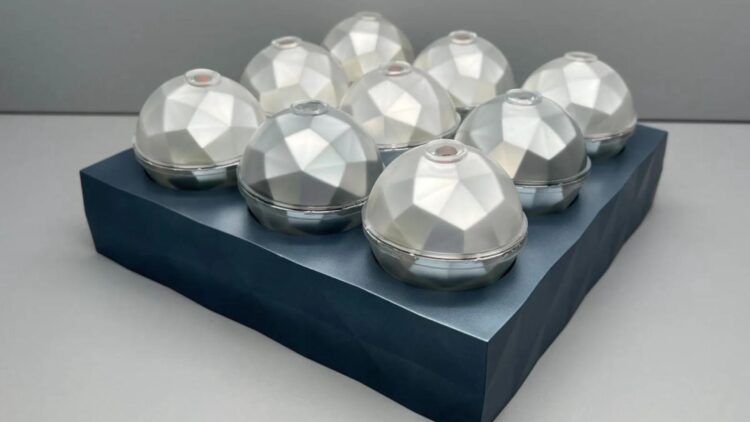
Enter Kyosemi, a Japanese company pioneering a transformative approach with its revolutionary Sphelar technology—spherical micro solar cells that absorb sunlight from all directions.
This innovation not only enhances energy efficiency but also paves the way for sustainable and versatile applications across various industries, setting a new benchmark for solar energy solutions.
The Design That Changed Solar Energy
Traditional solar panels rely on flat photovoltaic (PV) cells, which must be carefully angled to capture sunlight efficiently. These systems are heavily dependent on the sun’s position and require expensive mechanical tracking systems to maximize performance. This reliance adds to installation complexity and costs, creating barriers to widespread adoption.
Kyosemi’s Sphelar cells revolutionize this approach. By utilizing a spherical design, these micro solar cells absorb light from all directions, effectively capturing direct, reflected, and diffused sunlight.
This omni-directional capability makes Sphelar cells exceptionally efficient, even in less-than-ideal conditions, such as cloudy days or shaded environments. With an energy conversion efficiency of nearly 20%, Sphelar cells surpass many traditional solar technologies, unlocking new potential for solar energy.
Reducing Waste and Costs
Another remarkable aspect of Sphelar technology lies in its manufacturing process. Traditional silicon-based solar cells often suffer from “kerf loss,” a term describing the material wasted when silicon ingots are cut into wafers.
This process can lead to significant waste, both in terms of material and energy. Sphelar cells, on the other hand, bypass this issue by utilizing molten silicon directly to form their spherical shape. This approach minimizes material loss and reduces the environmental footprint of the production process, aligning with the growing demand for greener manufacturing practices.
As global silicon prices fluctuate due to high demand, this efficient production process also positions Sphelar cells as a cost-effective alternative. By addressing both environmental and economic concerns, Kyosemi’s technology stands as a prime example of innovation meeting sustainability.
Adaptability Across Applications
The potential applications of Sphelar cells extend far beyond traditional solar panels. With diameters ranging from just 1 to 2 millimeters, these micro solar cells are remarkably versatile, making them ideal for integration into a variety of products and systems. This adaptability opens doors to exciting possibilities in both consumer electronics and large-scale infrastructure.
1. Flexible and Transparent Power Solutions
Sphelar cells can be embedded into flexible and transparent modules, allowing them to be seamlessly incorporated into products like building facades and windows. This enables structures to generate solar energy while maintaining natural light and aesthetic appeal—a key consideration for modern architectural designs focused on sustainability.
2. Revolutionizing Portable Devices
In the realm of consumer electronics, Sphelar cells offer a game-changing solution for portable devices. Their small size and efficiency make them perfect for mobile electronics, wearable technology, and compact sensors.
For example, wireless information terminals equipped with Sphelar cells can harvest energy from ambient light while also transmitting data via infrared signals. This dual functionality reduces reliance on traditional power sources, enabling more efficient and independent systems.
3. Environmental Monitoring and IoT Integration
Sphelar cells hold great promise in environmental monitoring applications. By powering small, autonomous sensors, these solar cells can support real-time data collection in areas such as air quality monitoring, temperature tracking, and humidity measurement.
This capability is particularly valuable in industries like factory automation, logistics, and healthcare, where live data enhances efficiency and safety. As the Internet of Things (IoT) continues to expand, Sphelar technology could play an important role in creating self-sustaining sensor networks.
The Future of Architecture
The integration of Sphelar cells into building materials exemplifies the potential for merging functionality with design. Solar-powered windows and facades can generate electricity while maintaining transparency, enabling architects to create structures that are both energy-efficient and visually appealing.
This innovation aligns with the growing trend toward “smart buildings” that leverage technology to reduce energy consumption and promote sustainability.
Additionally, Sphelar cells can be incorporated into decorative elements, such as art installations or outdoor furniture, providing a subtle yet impactful way to harness solar energy in everyday spaces. By blending seamlessly into their surroundings, these cells challenge the notion that renewable energy systems must sacrifice aesthetics for functionality.
Challenges on the Road to Mass Adoption
Despite their numerous advantages, Sphelar cells are not without challenges. One of the primary hurdles Kyosemi faces is scaling production to meet global demand. Currently, the manufacturing capacity for Sphelar cells is limited, and achieving cost-effective mass production remains a work in progress. This constraint has slowed the widespread adoption of this groundbreaking technology.
However, Kyosemi is actively investing in research and development to overcome these barriers. Automation and standardization of the production process are key focus areas for the company, and advancements in these domains are expected to drive down costs and improve accessibility.
Additionally, ongoing innovations in lens technology could further enhance the light-capturing capabilities of Sphelar cells, boosting their efficiency and appeal.
Pioneering a Sustainable Energy Landscape
The potential impact of Sphelar technology on the global energy landscape cannot be overstated. By addressing the limitations of traditional solar panels and introducing a more versatile and efficient alternative, Kyosemi is paving the way for a new era of renewable energy solutions.
As the company continues to refine its technology and scale production, the applications of Sphelar cells are expected to expand, driving progress across industries.
Meeting the Global Demand for Renewable Energy
The demand for sustainable energy solutions is higher than ever, as governments, businesses, and individuals seek to reduce their carbon footprints.
Sphelar cells represent a significant step forward in meeting this demand, offering a clean and efficient energy source that can be adapted to a wide range of settings. From urban environments to remote locations, these spherical solar cells have the potential to power a more sustainable future.
Supporting the Transition to Net-Zero
As countries worldwide commit to achieving net-zero emissions, innovations like Sphelar technology will play a crucial role in the transition. By making solar energy more accessible and efficient, Kyosemi’s breakthrough aligns with global efforts to combat climate change and reduce reliance on fossil fuels.
The Future of Solar Energy
Kyosemi’s Sphelar spherical solar cells represent a groundbreaking advancement in the renewable energy sector. Their unique design and adaptability offer exciting possibilities for applications ranging from consumer electronics to sustainable architecture. By addressing key challenges in production and efficiency, Kyosemi is positioning itself as a leader in the solar energy revolution.
As the company works toward mass production, the potential for Sphelar cells to reshape the energy landscape becomes increasingly clear.
This technology not only supports the global shift toward renewable energy but also exemplifies the power of innovation to create solutions that are both environmentally and economically sustainable. With continued investment in research and development, the future of solar energy has never looked brighter.
Sphelar is more than a technological breakthrough. It’s a symbol of what’s possible when creativity and sustainability intersect, lighting the way toward a greener, more resilient planet.
Sources:
Leave a Reply