


People who want to eat healthfully now use meal kit subscriptions as their convenient alternative to buying groceries. The growth of meal delivery services brings about increased waste from packaging materials together with unnecessary food being discarded.
Most delivery services employ plastic receptacles and single-use protective layers together with insulated protective packaging which pose environmental risks. Although meal kit subscriptions minimize food waste through portioned ingredient delivery consumers should remain alert about the packaging waste these subscriptions produce.
Sustainable living depends on minimization of waste during the utilization of meal plan delivery services. The adoption of basic modifications for both meal kit usage and the disposal process enables people to decrease their negative effects on the environment.
The responsibility for maintaining sustainability in meal kit subscriptions falls on both companies and their subscribers. Pay attention to storage practices and cooking methods along with discarding processes because this attention makes a major impact on waste reduction.

Choosing a Sustainable Meal Kit Provider
Selecting a sustainable meal kit provider represents one of the best strategies to minimize waste from meal subscription services. Meal delivery services are addressing environmental damage through their practice of distributing packaging materials that decompose naturally or undergo composting. Selecting a sustainable company which promotes cutting down emissions from transportation while sourcing ingredients locally assists businesses in making eco-friendly decisions.

When making decisions about dining service providers one should examine packaging policies of multiple companies to gather necessary information. Certain providers enable customers to return packaging materials for reuse and others prevent their staff from using excessive packaging materials or insulation. The environmental disposition of a meal kit subscription greatly improves through selecting a service which emphasizes sustainability.
Properly Disposing of Packaging Materials
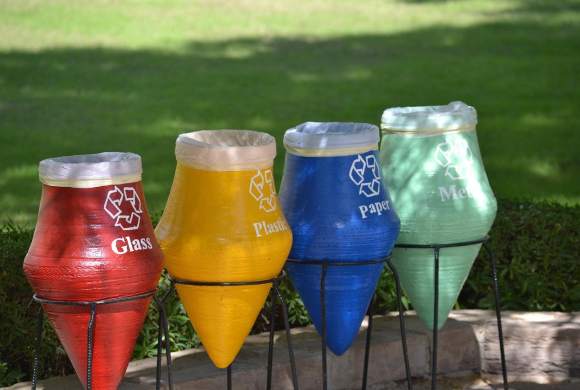
The typical haul of packaging materials delivered by meal kit subscriptions contains multiple components such as cardboard boxes together with plastic containers in addition to cooling packs. The correct way of getting rid of these materials significantly decreases their environmental consequences.
Boxed cardboard items which can be recycled together with certain types of plastic packaging materials will be accepted by local recycling programs provided you verify municipal guidelines first.
Meals delivery companies sometimes give their customers reusable cooling packs with recyclable insulation materials that clients can donate for reuse. Ice packs serve future needs by letting customers drain them followed by refilling or delivery to proper recycling collection points. The correct recycling of packaging materials together with smart packaging reuse methods stops new waste from forming.
Reducing Food Waste by Proper Storage and Planning
Pre-measured ingredient kits are known to minimize food waste because their delivery system includes all components. Wasted food continues to occur when storage methods are improper or planning fails to help prevent it. The prevention of spoilage occurs when ingredients receive proper storage temperature conditions together with planned use before expiration dates arrive. Assessing food freshness by placing meal kit ingredients in front can minimize waste of expired food in your refrigerator.
To avoid unwanted food waste you should cook according to recipe order while preparing portions according to instructions. Excess food after meals should get proper storage for future use while also serving as ingredients to create new dishes to decrease waste. Small differences in how ingredients are stored and handled result in better usage of meal kit contents.

Composting Leftover Food and Biodegradable Materials
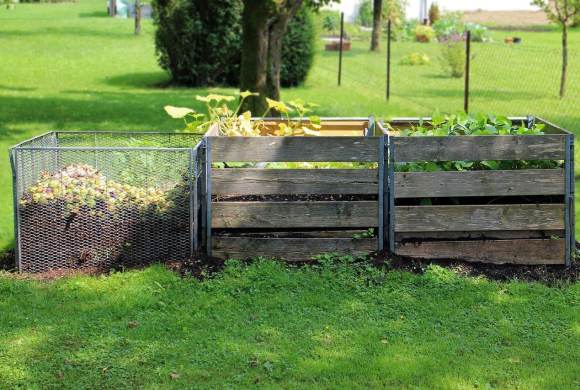
The process of careful planning still permits some unintentional food waste. The practice of composting offers a successful waste reduction method because it transforms discarded food into powerful organic soil. A wide range of vegetable waste items together with eggshell remnants and old coffee filtration materials are suitable materials for compost creation. The biodegradable packaging materials from meal kit providers become suitable for composting which offers an alternative to sending such waste to a landfill.
The establishment of home composting setups together with local composting programs acts as a significant method to decrease total waste output. Organic waste gets transformed into garden and agricultural compost through local compost collection services that numerous communities provide. Using composting options properly redirects waste food and biodegradable materials from entering the landfill system.
Reusing and Repurposing Meal Kit Containers
Customers discover various innovative applications for their meal kit containers which help them get more usage out of these containers. Plastic containers allow dishwashing for food preparation and meal storage whereas glass jars from ingredients turn into pantries organizational tools. The packaging liners function both as transportable grocery bags and house insulation materials.

The discovery of alternative utilizations for meal kit packaging lowers the demand for fresh materials while decreasing the amount of waste produced. The immediate disposal of containers should be replaced by investigating their potential use for storage and creative purposes such as crafts and gardening to maximize their worth. When customers choose to use their meal kit packaging more than once this lifestyle approach adds up to environmental benefits in consumer habits.
Encouraging Meal Kit Companies to Adopt Greener Practices

The consumer base holds the ability to impact meal kit companies when they push for eco-friendly operational methods. Customers who communicate packaging opinions to companies while asking for sustainable options and showing support for environmentally-minded businesses help the industry embrace sustainability. The demand for sustainable practices from customers has prompted certain companies to introduce two actions: less packaging options and the use of recycled materials.
Users can accelerate eco-friendly updates in meal kit services by reviewing them on social platforms and through personal communication. The implementation of customer-driven sustainable packaging and ingredient sourcing changes becomes more likely from meal kit companies when more consumers support these measures. Using intentional decision-making along with promoting sustainable corporate practices enables the industry to establish lasting enhancements.
Leave a Reply