


The global energy crisis, sparked by Russia’s invasion of Ukraine, has had far-reaching effects on energy policies worldwide. While some initially called for increased fossil fuel exploration, such as fracking, the crisis has ultimately accelerated the transition to renewable energy.
According to the International Energy Agency (IEA), renewables are set to become the world’s largest source of electricity generation by 2025. This shift represents a historic turning point in the fight against climate change and the pursuit of energy security.
A Shift Toward Renewables
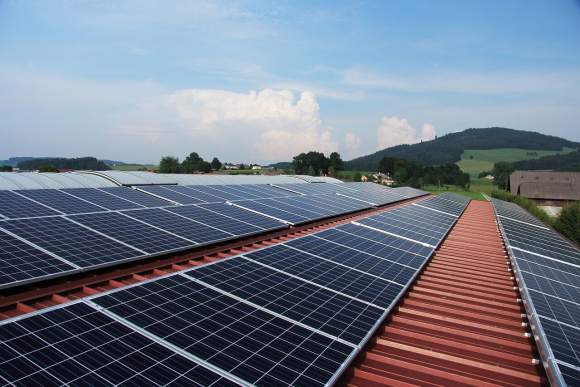
In the early days of the Ukraine conflict, some European leaders, like former U.K. Prime Minister Liz Truss, briefly considered expanding fossil fuel exploration to address energy shortages. However, these plans were short-lived.
Instead, countries have increasingly turned to renewable energy, energy efficiency, and sufficiency measures to reduce their dependence on fossil fuels. The IEA’s Renewables 2022 Report highlights this dramatic shift.
The growth of renewable energy is now 30% higher than predictions made just one year ago. This acceleration is driven by major policy initiatives in the U.S., China, and Europe, as well as a growing recognition of the need for energy independence. By 2025, renewables are expected to overtake coal as the world’s leading source of power.
Fatih Birol, the IEA’s Executive Director, emphasizes the significance of this transition: “Renewables were already expanding quickly, but the global energy crisis has kicked them into an extraordinary new phase of even faster growth as countries seek to capitalize on their energy security benefits. The world is set to add as much renewable power in the next five years as it did in the previous 20 years.”
Europe’s Energy Challenges
Europe has been at the forefront of this transition, as the region seeks to reduce its reliance on Russian gas. While Europe’s gas storage facilities are currently full, concerns remain about future energy security. For example, Germany has not yet achieved its goal of reducing gas consumption by 20%, raising fears that next winter could be even more challenging.
To address these challenges, the IEA has called for an additional €100 billion in clean energy investments across Europe. These investments would help the region resist Russian energy blackmail and accelerate the transition to renewables.
The United Kingdom has sent mixed signals in its works to energy policy. On the one hand, the government has lifted its ban on onshore wind and solar projects, a move that could significantly boost renewable energy capacity. On the other hand, it has approved a controversial new coal mine, undermining its commitment to climate action.
This inconsistency highlights the ongoing tension between short-term energy needs and long-term climate goals. While the U.K. is making progress in some areas, its reliance on fossil fuels remains a significant barrier to achieving net-zero emissions.
The False Choice
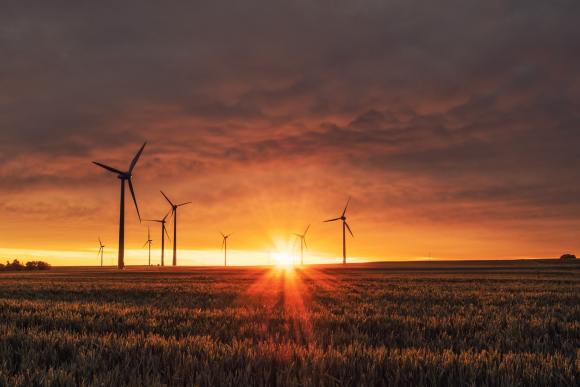
One of the key lessons from the energy crisis is that energy security and climate action are not mutually exclusive. In fact, they are deeply interconnected. By investing in renewable energy, countries can reduce their dependence on fossil fuels, enhance energy security, and combat climate change simultaneously.
The rapid growth of renewables demonstrates that the transition to clean energy is not only possible but also economically viable. However, this transition must be accelerated to meet the scale of the climate crisis. The IEA’s projections, while encouraging, still fall short of what is needed to limit global warming to 1.5°C.
Government policies and technological innovation have played a crucial role in driving the growth of renewables. In the U.S., the Inflation Reduction Act has provided significant incentives for clean energy projects.
In China, ambitious renewable energy targets have spurred rapid deployment of wind and solar power. And in Europe, the REPowerEU plan aims to reduce reliance on Russian gas by accelerating the transition to renewables.
At the same time, technological advancements have made renewable energy more affordable and efficient. Solar panels and wind turbines are now cheaper than ever, while energy storage technologies are improving rapidly. These developments have made it easier for countries to transition away from fossil fuels.
The Need for Sufficiency and Community
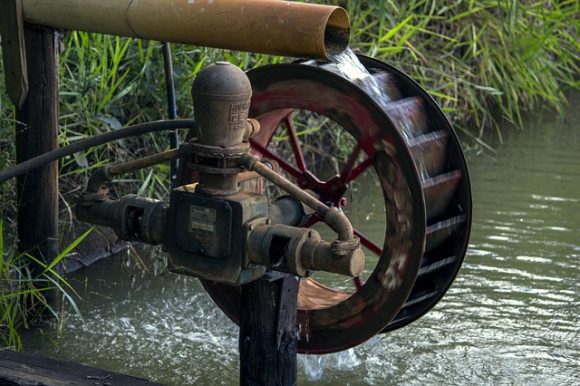
While technological solutions are essential, they are not enough on their own. To achieve a truly sustainable energy system, we must also rethink our works to consumption and prioritize sufficiency. This means focusing on meeting our needs without overconsuming resources and fostering a sense of community abundance.
For example, energy-saving measures like insulation, efficient appliances, and behavioral changes can significantly reduce energy demand. Similarly, community-based renewable energy projects can empower local communities and create a more equitable energy system.
The energy crisis has shown that change is possible—and that it can happen quickly. In just a few months, countries have shifted their energy policies, accelerated the deployment of renewables, and reduced their reliance on fossil fuels. This demonstrates that, with the right policies and incentives, we can achieve rapid progress toward a sustainable energy future.
However, this progress must be sustained and expanded. The IEA’s projections, while impressive, still represent a pace of change that is insufficient to address the climate crisis. To meet the challenge, we must go further and faster.
Accelerating the transition to renewable energy requires addressing several critical challenges. First, the true cost of fossil fuels must be accurately reflected in their price. Currently, subsidies and the failure to account for environmental and social costs create an uneven playing field.
Implementing carbon pricing mechanisms and eliminating fossil fuel subsidies are essential steps towards leveling that field and making renewables more competitive. Second, the continued exploration for new fossil fuel reserves undermines the shift to clean energy. Finally, a fundamental shift in our understanding of “the good life” is necessary.
Sources:
Leave a Reply