

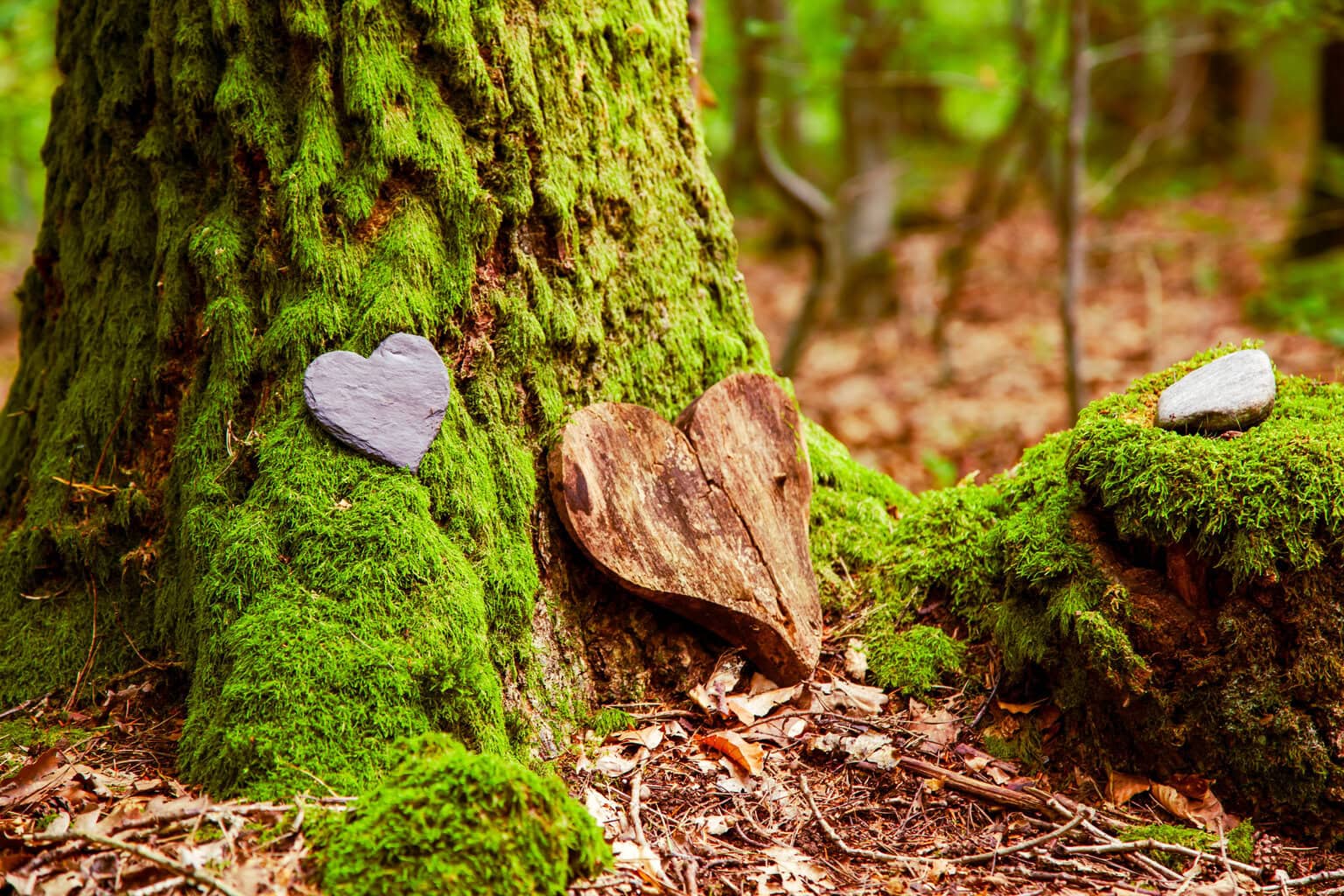
Death is one of the few certainties we share with every living thing on this planet. And yet, the way most modern societies handle it sits oddly at odds with the natural world — pumping bodies full of formaldehyde, sealing them in metal caskets inside concrete vaults, or burning fossil fuels through conventional cremation. The environmental cost is real, and a growing number of people are choosing differently.
Green burial and alternative end-of-life options are not fringe ideas. They are, in many ways, a return to what humans have done for most of history — and a conscious decision to let our final act be one of giving back rather than taking.
What Green Burial Actually Means
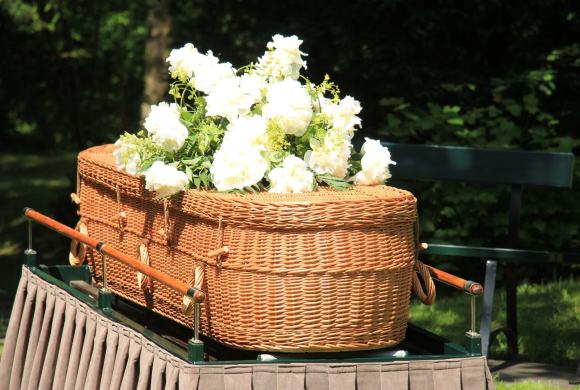
A green, or natural, burial skips the embalming chemicals, the metal hardware, and the vault. The body is wrapped in a simple biodegradable shroud or placed in a sustainably made casket — wood, willow, or even mushroom-based materials — and buried at a depth that allows natural decomposition to occur. That process returns nutrients directly to the soil, feeding trees, plants, and the broader ecosystem.
Many green burial grounds double as nature preserves or conservation lands, where burials actively fund habitat protection. Choosing one of these sites means your resting place contributes to land that will never be developed — a legacy with real ecological weight. Some families plant a native tree or flowering shrub as a living marker, one that changes with the seasons rather than standing fixed in stone. It’s a different kind of permanence, and for many people, a more honest one.
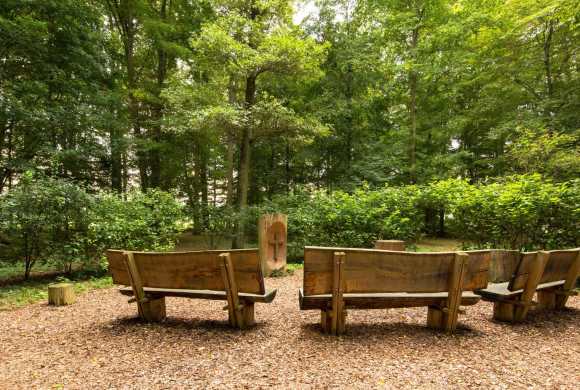
The Green Burial Council certifies providers across the United States at varying levels — from funeral homes that simply offer shrouding and chemical-free preparation, to dedicated natural burial grounds operating as full conservation sites. Knowing those distinctions helps families find an option that genuinely aligns with their values rather than one that simply uses the word “green.”
Human Composting: The Newest Option
Also called natural organic reduction, human composting places the body in a vessel with wood chips, straw, and other organic material. Over several weeks, the body transforms into rich, nutrient-dense soil — roughly a cubic yard of it — which families can use in a garden, scatter in a meaningful place, or donate to conservation land. Washington state legalized it first in 2019, and several states have since followed. It uses significantly less energy than cremation and produces none of the emissions.
It’s worth noting that human composting providers typically return the soil to families in installments over time, and many offer the option to donate a portion to forest restoration projects. For people who want their death to actively regenerate something, it’s a deeply coherent choice.
Aquamation: Water Instead of Flame
Aquamation — formally known as alkaline hydrolysis — uses warm water and a gentle alkaline solution to break down the body over several hours. The result is the same fine white ash that conventional cremation produces, but the process uses around 90% less energy and releases no direct air emissions. It’s legal in a growing number of states and is increasingly offered by forward-thinking funeral homes.
One practical consideration: aquamation typically yields a larger volume of remains than flame cremation, and many families find the texture and color of the ash — softer and whiter — to be gentler than they expected. It’s a detail worth knowing before making the decision.
Whole-Body Donation: A Gift That Keeps Giving
Whole-body donation is a separate and deeply meaningful option in which the body is contributed to medical education and research following death — training the surgeons who will operate on the next generation, advancing device development, supporting pharmaceutical research. It is a gift whose impact is real and lasting.
The scope of that impact deserves a moment. Medical students develop anatomical knowledge through hands-on study that no textbook or simulation can replicate. Surgeons refine complex procedures before performing them on living patients. Researchers test pacemakers, joint replacements, and new drug compounds. A single donation can contribute to multiple research applications simultaneously, and the effects compound across the careers of every physician and researcher it touches.
Whole-body donation also carries a practical benefit that many families don’t know about: accredited nonprofit organizations that facilitate whole-body donation typically cover all associated costs — transportation, death certificates, cremation, and return of remains — at little to no cost to the family, eliminating expenses that would otherwise range from $2,000 to $7,000. Cremated remains are generally returned within four to six weeks, shipped anywhere in the continental US at no charge.

Most programs have no age or BMI restrictions and can accept donors up to several days after death when the body has been properly stored. Registration can be completed in advance as a future pledge — the most thoughtful option for families, because it removes the burden of decision-making during an already painful time.
If you’re researching options, search terms like free cremation Providence, RI, or your own city or region, will surface accredited programs serving major metros and rural areas alike across New England and beyond. The key is verifying accreditation — look for organizations recognized by the American Association of Tissue Banks, which sets and enforces ethical standards for the field.
Why It Matters
Conventional burial in the U.S. uses an estimated 800,000 gallons of embalming fluid annually, along with millions of tons of steel, concrete, and hardwood. Conventional cremation releases carbon dioxide, mercury from dental fillings, and other compounds into the atmosphere. Green alternatives sidestep most or all of this.
But beyond the numbers, there’s something quietly profound about choosing an end-of-life path that aligns with how you lived. For people who have spent their lives caring about the natural world, a green burial or whole-body donation isn’t just an environmental choice — it’s a final, coherent expression of a life lived with intention.
The conversation is also worth having early. Families who know their loved one’s wishes in advance are spared the weight of making consequential decisions under grief. Documenting a preference for natural burial, aquamation, or whole-body donation — even informally, in a letter kept with other important papers — is a practical act of care for the people who will carry that loss.
The Earth has given us everything. These options are one way to say thank you.
Leave a Reply