

Environmental sustainability has catapulted to the forefront of global concerns, and for good reason. The Earth’s resources are finite, and as the population grows, so does the strain on these resources.
Within the spectrum of environmental conservation, recycling is a vital practice that not only reduces waste but also conserves energy and minimizes pollution. In the crusade for a greener planet, plastic bottles, and aluminum cans hold a special place due to the ubiquity of their usage and the significant environmental impact of their recycling.
Here are six little-known but vital pieces of information that unveil the significance of reusing these materials.
The Journey of an Aluminum Can

Aluminum is the superhero of the recycling world – infinitely recyclable, it can be turned into new cans in just sixty days. It begins with the humble act of recycling, then onwards to processing, where it’s melted down and turned into flat sheets.
These sheets are then formed into new cans, filled with refreshing contents, and ready for consumers to enjoy once more. This rapid regeneration shows the tangible impact of personal recycling efforts and the astonishing efficiency of the aluminum recycling process.
Reducing Plastic Footprints
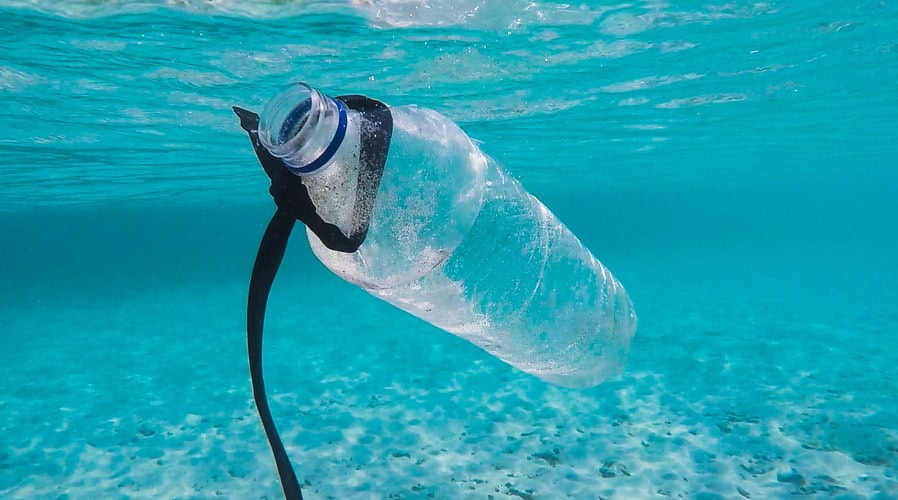
Traditional plastic bottles, typically single-use, contribute to the proliferation of plastic waste globally. However, the advent of bottle-to-fiber technology signals a pivotal turn in the battle against plastic pollution.
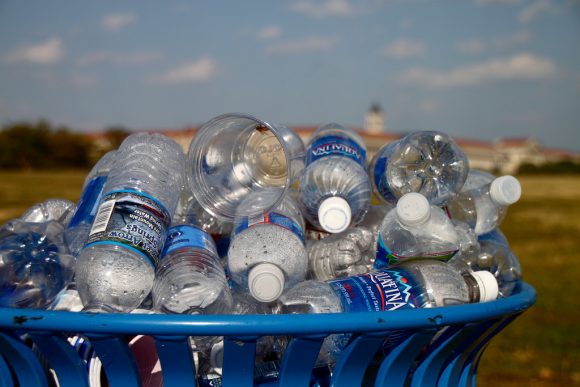
Recycled plastic bottles are transformed into a variety of products, including apparel, bags, blankets, and much more.
This innovative practice showcases the versatility and utility of reusing plastic materials by turning them into durable and sustainable textiles, thereby reducing the environmental footprint of conventional plastic production.
Innovations in Recycling

Innovations in recycling processes continuously emerge, streamlining the way we reclaim and repurpose materials. An intriguing advancement in the realm of aluminum recycling is the development of click caps for cans.
As seen at theclickcap.com, this novel concept involves the design of aluminum cans with detachable caps that click back onto the cans after use, ensuring the cap stays with the can throughout the recycling process.
This seemingly simple innovation significantly enhances the efficiency of recycling by maintaining the integrity of the material and preventing the loss of small components.
Besides these caps, other innovative practices, such as using drones to sort recyclables or utilizing 3D printing technology to transform plastic waste into usable products, showcase the endless possibilities of recycling.
Educational Initiatives Paving the Way for Enhanced Public Awareness
Knowledge is power, and educational initiatives play an essential role in empowering the public with the information they need to make sustainable choices.
From grassroots movements to formal educational programs, there is a broad spectrum of efforts dedicated to raising awareness about the importance of recycling.
These initiatives are crucial in inciting behavioral change, encouraging more individuals to participate in recycling practices, and fostering a culture of environmental responsibility.
The Bigger Picture: National Policies and Global Agreements

On a global scale, national policies and international agreements are instrumental in shaping the recycling landscape. Countries around the world are implementing policies that incentivize recycling, such as deposit return schemes and extended producer responsibility.
Furthermore, global agreements like the Paris Agreement and the United Nations’ Sustainable Development Goals set frameworks for environmental action that underscore the significance of recycling in achieving a sustainable future.
By aligning with these policies and agreements, societies can foster a robust recycling infrastructure that caters to both local and global environmental goals.
Recycling as a Collective Effort
Recycling is not just an individual effort – it takes a collective approach to make a meaningful impact. From individuals and communities to governments and corporations, every entity has a role to play in recycling initiatives.
By working together towards a common goal, we can maximize the benefits of recycling and create a more sustainable future for generations to come. So, the next time you recycle a bottle or a can, remember that you are not just making a personal contribution but also contributing to a larger effort towards environmental conservation.
Let’s continue to unveil and appreciate the true worth of recycling in building a greener world for all.
Recycling bottles and cans represents a critical and tangible step toward environmental sustainability. Through innovative recycling technologies, educational initiatives, and the collective efforts of individuals and governments, we can significantly reduce pollution, conserve resources, and mitigate the effects of climate change.
Every recycled item contributes to the health of our planet and the legacy we leave for future generations.
As we continue to uncover the vast potential of recycling, it becomes clear that such practices are not merely optional but essential for maintaining the balance of our ecosystem.
No need to rush things because we can do it together, slowly but surely. Yes, if we do this together, we can make a huge difference eventually, one bottle and one can at a time.
Leave a Reply