

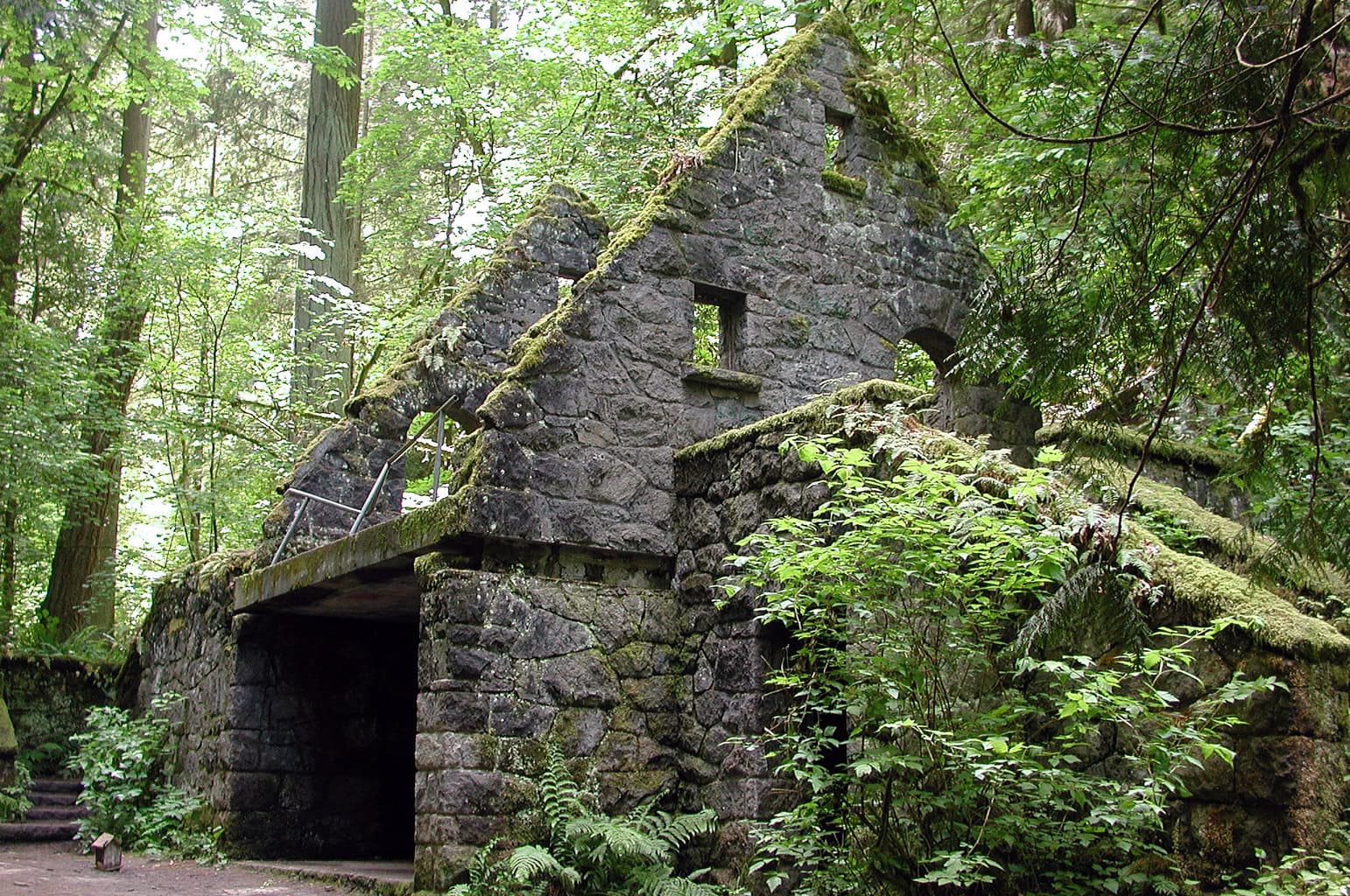
In modern construction, concrete and steel have become the dominant materials, prized for their strength, versatility, and scalability. However, as the world grapples with the climate crisis, a growing number of architects, engineers, and environmentalists are questioning whether we should shift back to one of the most ancient and sustainable building materials: stone.
Revered for its durability, low environmental impact, and timeless aesthetic, stone is increasingly being heralded as a viable alternative to carbon-heavy materials. Let’s get into why stone may deserve a comeback in modern construction and explore its environmental, structural, and historical significance.
The Case for Stone in Sustainable Construction
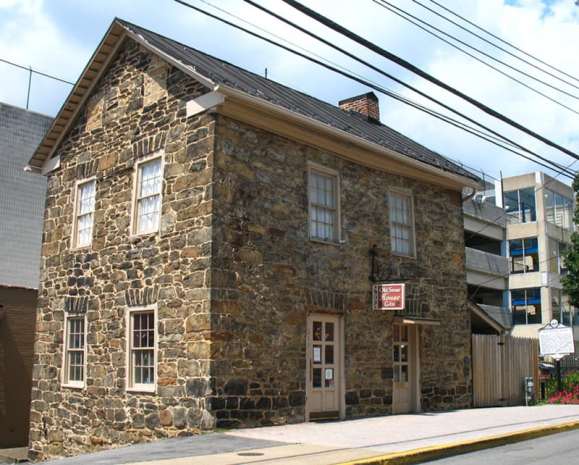
Stone is often dismissed in modern construction due to perceptions of high cost, weight, and labor intensity. However, advocates argue that stone’s environmental benefits far outweigh these challenges. For instance, Paris-based architecture firm Barrault Pressacco has successfully used stone in social housing projects, highlighting its low impact and local abundance in regions like France.
“Stone undergoes minimal transformation during its extraction and processing,” the firm notes. Unlike steel and concrete, which require energy-intensive processes involving high heat and chemical reactions, stone retains its natural properties with little alteration. This drastically reduces its carbon footprint.
In structural terms, stone is incredibly strong. Some types, like dolerite, can rival steel in compression strength while producing a fraction of the emissions. The minimal energy required for quarrying, cutting, and transporting stone makes it a standout in low-impact construction.
A Renewable Resource Through Geological Time
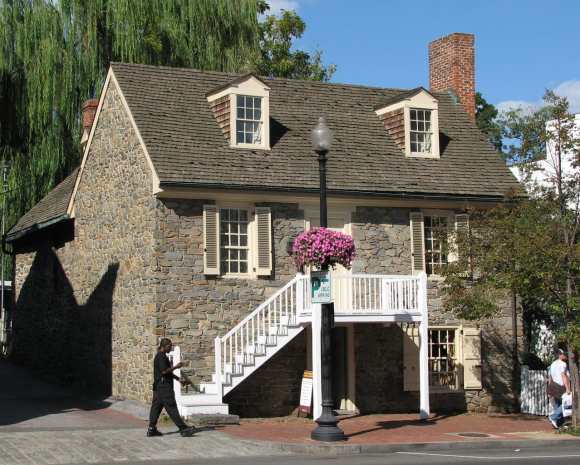
Structural engineer Steve Webb champions stone as a renewable resource, albeit on a geological timescale. Unlike timber, which requires decades of monoculture forests to produce, stone is replenished continuously by tectonic activity.
Quarries yield hundreds of cubic meters of stone in a fraction of the time it takes to grow usable timber. Moreover, quarry sites can be repurposed or restored to natural habitats after use, making stone extraction far less disruptive than other forms of resource extraction.
Stone’s Structural and Historical Legacy
Stone’s resilience and beauty are evident in historical architecture. Following World War II, French architect Fernand Pouillon embraced stone for its availability during material shortages.
His innovative techniques allowed for faster and more precise cutting, enabling stone to be used efficiently in modern buildings. Pouillon’s projects in southern France and Algeria stand as enduring testaments to stone’s versatility and elegance.
Historical stone structures around the world, from ancient temples to Gothic cathedrals, also demonstrate the material’s unmatched durability. Unlike concrete, which can deteriorate within decades due to weathering and chemical reactions, stone structures can last centuries with minimal maintenance.
Modern Innovations in Stone Construction
Technological advances have further enhanced stone’s viability. Computerized diamond saws allow for precise cutting, reducing waste and labor costs. Stone’s compressive strength enables it to support massive loads, making it suitable for load-bearing walls and other structural elements.
Architects today are rediscovering the aesthetic and functional appeal of stone. Projects like Barrault Pressacco’s Parisian housing demonstrate how stone can seamlessly blend tradition with contemporary design, creating structures that are both sustainable and contextually relevant.
Environmental Benefits of Stone vs. Concrete and Steel

Concrete and steel are among the most carbon-intensive materials in the world. Cement production alone accounts for 8% of global CO2 emissions, due to the high heat required to transform limestone into cement. Steel production is similarly energy-intensive, relying on fossil fuels to smelt iron ore.
In contrast, stone’s carbon footprint is significantly smaller. Its primary environmental costs are associated with extraction and transportation, both of which consume far less energy than the fiery processes needed to produce concrete and steel.
Reduced Habitat Impact
Concerns about quarrying are often compared to the environmental toll of mining. However, quarrying is far less invasive. As Jason F. McLennan, founder of the International Living Future Institute, points out, producing a pound of copper requires 143 pounds of rock.
Whereas, quarrying stone is nearly a one-to-one process. Additionally, quarries can be rehabilitated into natural habitats or repurposed for recreational or educational use.
Longevity and Recyclability
Stone’s durability means that it rarely needs to be replaced, reducing the demand for new materials over time. Unlike concrete, which often crumbles and becomes unrecyclable waste, stone can be repurposed or reused in new construction, extending its lifecycle indefinitely.
Challenges and the Path Forward
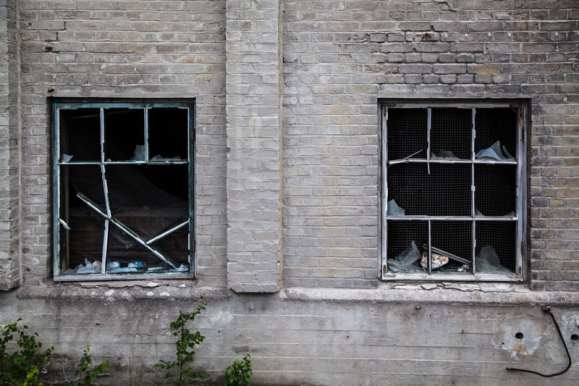
One of the primary challenges of stone is its weight, which increases transportation costs and emissions. However, sourcing stone locally can mitigate these concerns. Regions like France, Italy, and parts of the United States are rich in natural stone deposits, enabling architects and builders to utilize this resource sustainably.
Labor and Expertise
Stone construction often requires specialized skills and labor, which have become less common in modern building trades. Investing in training programs for stonemasons and exploring prefabrication techniques could help reintroduce stone as a mainstream material.
Policy and Market Incentives
For stone to become a viable alternative to concrete and steel, economic and policy shifts are necessary. Carbon taxes on high-emission materials could level the playing field, making stone more competitive. Additionally, public awareness and demand for sustainable materials could drive innovation and adoption in the construction industry.
Imagining the Future of Stone
Advocates like Steve Webb believe stone could unleash a new era of sustainable architecture. As voters and policymakers demand stronger action on carbon emissions, punitive taxes on materials like cement and steel may push builders toward stone. This shift could lead to a resurgence of stone in modern construction, inspiring architects to explore its potential in innovative and unexpected ways.
Stone is not without its challenges, but its strengths—durability, low environmental impact, and timeless beauty—make it a compelling choice for a more sustainable future. As McLennan noted, stone is as close to a perfect building material as we can get. By revisiting this ancient resource, we may uncover solutions to some of the most pressing challenges in the built environment.
Stone has been overlooked in modern construction for far too long. Its abundance, minimal processing requirements, and exceptional durability position it as a sustainable alternative to carbon-intensive materials like concrete and steel. While challenges like transportation costs and labor skills must be addressed, the environmental benefits of stone make it a resource worth reconsidering.
Sources:
Leave a Reply