

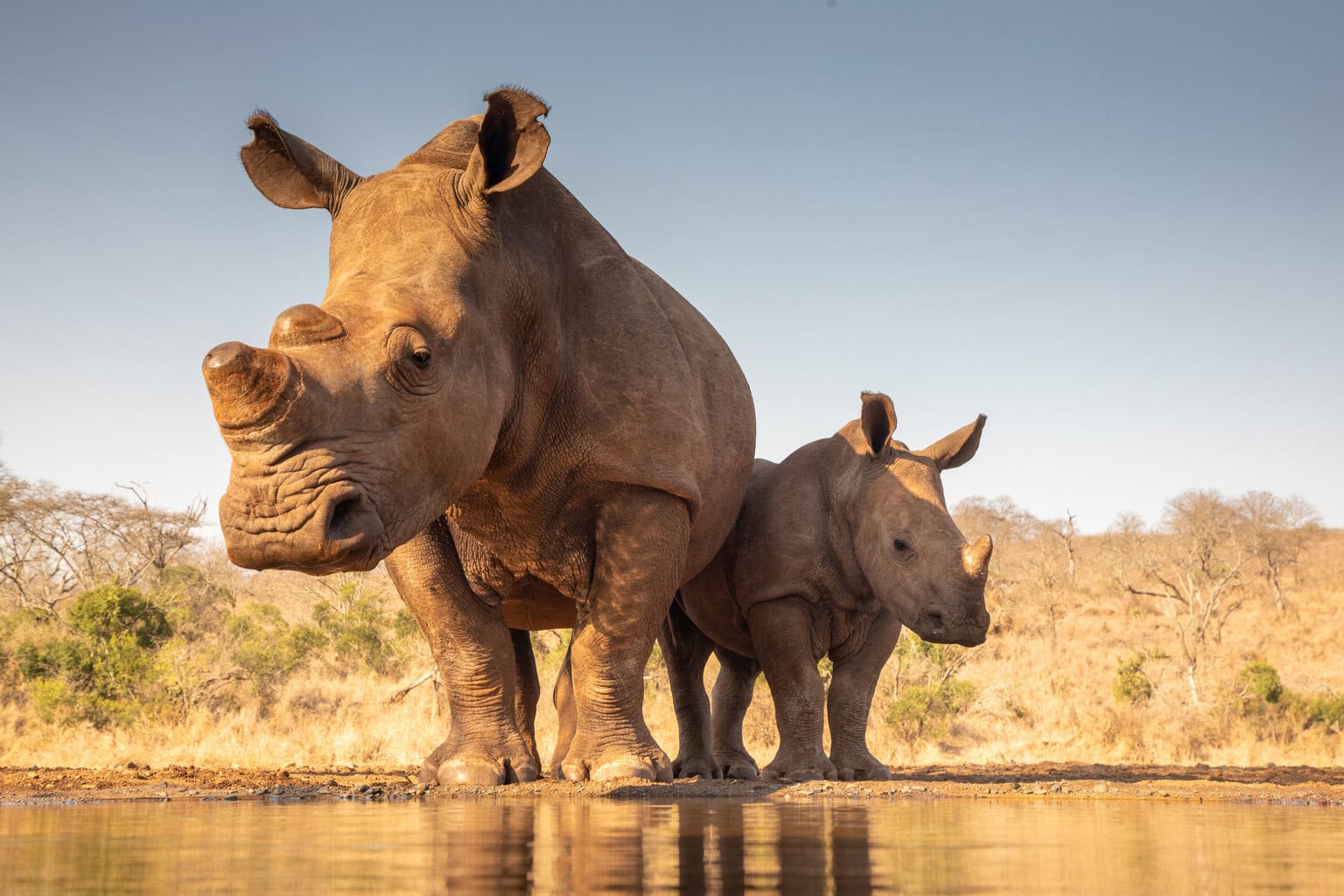
On World Rhino Day, September 22, 2025, the team from SAFARI FRANK stood on the sun-drenched earth of the Greater Kruger National Park, bearing witness to a procedure that is both heartbreaking and hopeful, the dehorning of a rhinoceros.
In a landscape where these majestic animals are under constant threat, such drastic measures have become a vital tool in the fight for their survival. The day was a powerful reminder of the direct impact that responsible tourism can have on frontline conservation.
The illegal wildlife trade, fueled by persistent demand for rhino horn, continues to drive sophisticated poaching syndicates. This relentless pressure has pushed conservationists to adopt proactive strategies to protect vulnerable rhino populations. For Frank Steenhuisen, Co-founder and lead safari expert at SAFARI FRANK, participating in the operation was a deeply moving experience that reaffirmed his company’s core mission.
“As a trained guide, seeing a rhino without its horn is an emotional sight,” Frank Steenhuisen shared. “But if that sacrifice means the animal survives to see another day, it is a sacrifice worth making. This operation gets to the very heart of why we started SAFARI FRANK, to ensure that every safari is a genuine force for good.”
The Stark Reality: Why Dehorning is a Necessary Intervention
The statistics paint a grim picture of the challenges facing rhino populations in Southern Africa. Between January and June 2025 alone, South Africa lost 195 rhinos to poaching. The Greater Kruger National Park, one of the last major strongholds for the species, has seen its rhino population decimated, with at least 400 animals killed annually since 2020. Despite international bans on the trade of rhino horn, the black market continues to thrive, making every rhino with a full horn a target.
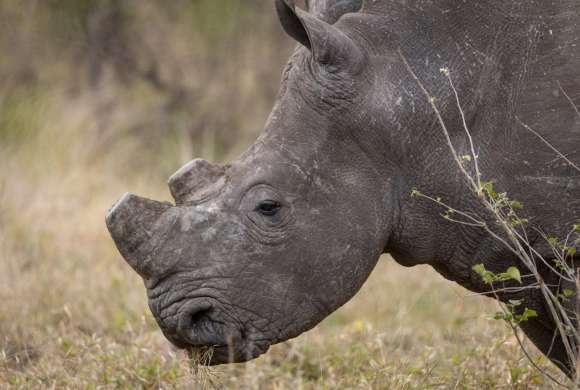
Dehorning is a preventative strategy designed to remove the incentive for poachers. By removing the horn, the animal becomes worthless to a poacher, significantly increasing its chances of survival. The procedure itself is carefully managed to ensure the animal’s welfare remains the top priority.
A wildlife veterinarian tranquilizes the rhino, removes the horn just above the growth plate, and treats the area to prevent infection. The horn is composed of keratin, the same protein found in human fingernails, and the process is painless. Within minutes, the animal is back on its feet, unharmed.
A Dual-Pronged Contribution to Frontline Conservation
Recognizing that saving rhinos requires a multi-faceted approach, SAFARI FRANK committed a total of R300,000 to the cause. This contribution was strategically divided, with R150,000 funding the dehorning operation itself and a further R150,000 dedicated to equipping the K9 anti-poaching unit and ranger training teams.
CEO Johan Steenhuisen explained the importance of this dual investment. “Supporting dehorning is one of the most direct ways to protect rhinos inside the reserves. But the commitment cannot end there. The rangers who put their lives on the line every day need the right tools to do their jobs safely. This includes everything from advanced GPS collars for their tracking dogs to essential safety equipment and training that prepares them for dangerous encounters in the bush.”
This comprehensive support addresses both the immediate threat to the animal and the long-term need to empower and protect its guardians.
An Interview with the Experts on the Ground
The success of a dehorning operation depends on a team of dedicated specialists, each playing a vital part. From the air, helicopter pilot Gerry McDonald of Big Game Heli Services expertly maneuvers his aircraft, positioning the veterinary team for a clean shot. “The conditions are always changing,” McDonald noted. “You have to account for wind, terrain, and the rhino’s movements. There is a very short window to ensure the animal goes down in a safe position, both for itself and for the ground team moving in.”
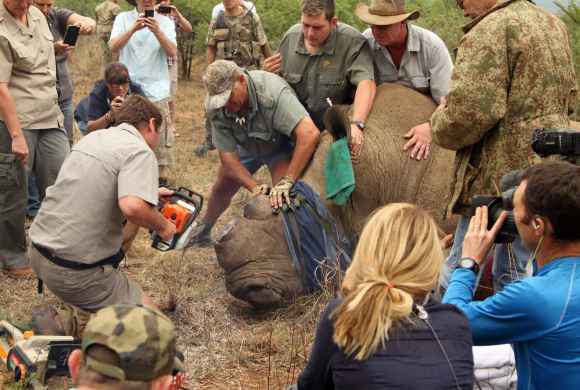
Once the rhino is darted, the ground team works with incredible speed and precision. Wildlife vet Dr. Ben Muller, who oversaw the procedure, stressed that the animal’s welfare is paramount. “From the moment the dart goes in to the moment the rhino is back on its feet, the entire operation takes less than 20 minutes,” he explained. “The rhino feels no pain during the removal, it is exactly like cutting a fingernail. We monitor its breathing, administer oxygen, and ensure it remains stable throughout.”
For Conservation Manager Francois Retief, this work is the frontline of a prolonged battle. “The rhino we worked on today had been dehorned before, this was a necessary follow-up,” he said. The horn regrows at approximately six centimeters per year, requiring the procedure to be repeated every 18 months. “These operations are incredibly costly, and without the support of partners like SAFARI FRANK, many reserves would struggle to maintain the frequency needed to keep their rhinos safe.”
Conservation in Action: A Coordinated Effort
Watching the operation unfold is a lesson in teamwork and efficiency. The process is a highly coordinated sequence of events designed to minimize stress on the animal and maximize safety for the team.
- A fixed-wing aircraft first locates the rhino before the helicopter guides it toward open terrain.
- The wildlife vet darts the animal from the air, and rangers on the ground secure the area as the sedative takes effect.
- Once the rhino is down, the team immediately moves in to take DNA samples, fit a microchip for tracking, and carefully remove the horn.
- After the horn is removed and the area is treated, a reversal drug is administered, and the rhino is back on its feet within minutes.
This seamless execution, from dart to release, is a testament to the expertise and dedication of everyone involved, from the pilots and vets to the rangers and conservation managers.
The SAFARI FRANK Philosophy: Where Tourism and Conservation Converge
At SAFARI FRANK, the belief that the future of African wildlife and the future of safari tourism are inextricably linked is a founding principle. The experience in Kruger served as a powerful affirmation of this philosophy. As Frank Steenhuisen reflected, “Without conservation, there will be no wildlife left for anyone to see. And without tourism, there won’t be the funds needed to protect it. More and more, travelers are seeking safaris with a deeper purpose, and that is something we actively champion.”
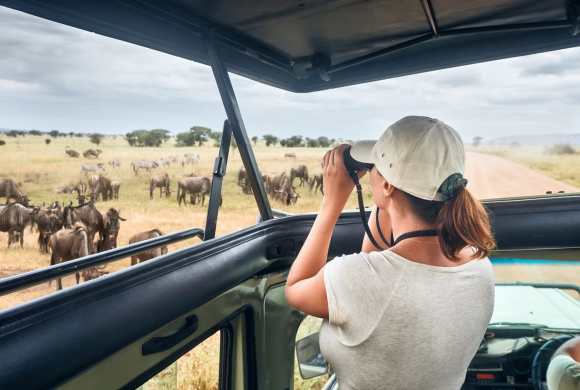
To turn this philosophy into tangible action, every safari booked with SAFARI FRANK includes a conservation levy. This levy directly funds projects focused on wildlife protection, habitat restoration, and community support. By traveling with SAFARI FRANK, guests are not just observers, they become active participants in the preservation of Africa’s natural heritage. Dehorning does not end poaching, but it buys conservationists valuable time to build more robust anti-poaching units, stabilize rhino populations, and secure a future for these iconic animals.
Experience Conservation-Focused Safaris in Greater Kruger
For travelers inspired by this story of direct-action conservation, SAFARI FRANK curates exceptional journeys into the heart of the Greater Kruger National Park. An experience at a premier lodge like Ngala Safari Lodge, located in the Timbavati region, offers a perfect blend of luxury and purpose.
Here, guests can enjoy outstanding wildlife viewing in a private reserve known for its high density of big cats and elephants, while knowing their visit supports the vital conservation work happening throughout the region. SAFARI FRANK designs itineraries that connect travelers to the wild spaces of Africa in a meaningful way, offering opportunities to learn from experts and witness the positive impact of conservation-led tourism firsthand.
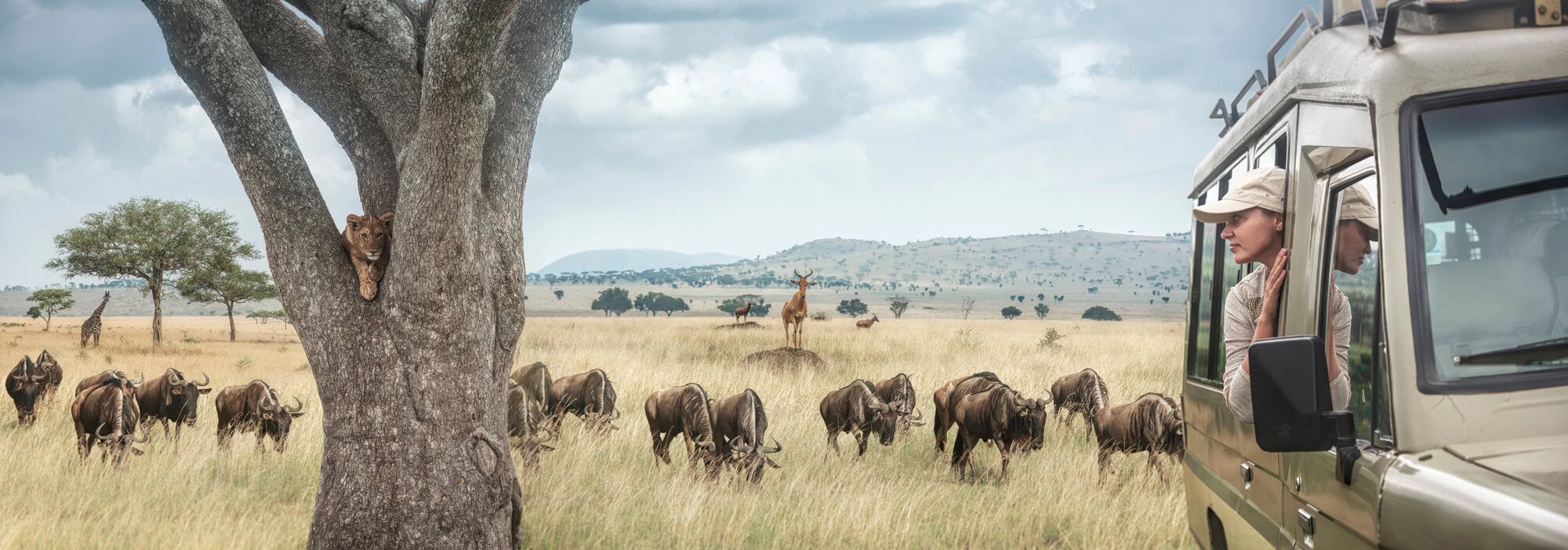
By choosing a safari in a private reserve like Ngala, guests contribute to the operational costs of conservation and anti-poaching efforts that are essential for protecting species like the rhino. It is an opportunity to transform a vacation into a meaningful investment in the future of Africa’s wildlife. Together, we can continue to protect this precious heritage, one safari, and one rhino, at a time.
About Frank Steenhuisen
Frank is the lead safari expert at specialists in exclusive safari adventures SAFARI FRANK, helping travelers experience Africa’s wildlife safely and sustainably. Learn more at SAFARI FRANK.
Leave a Reply