

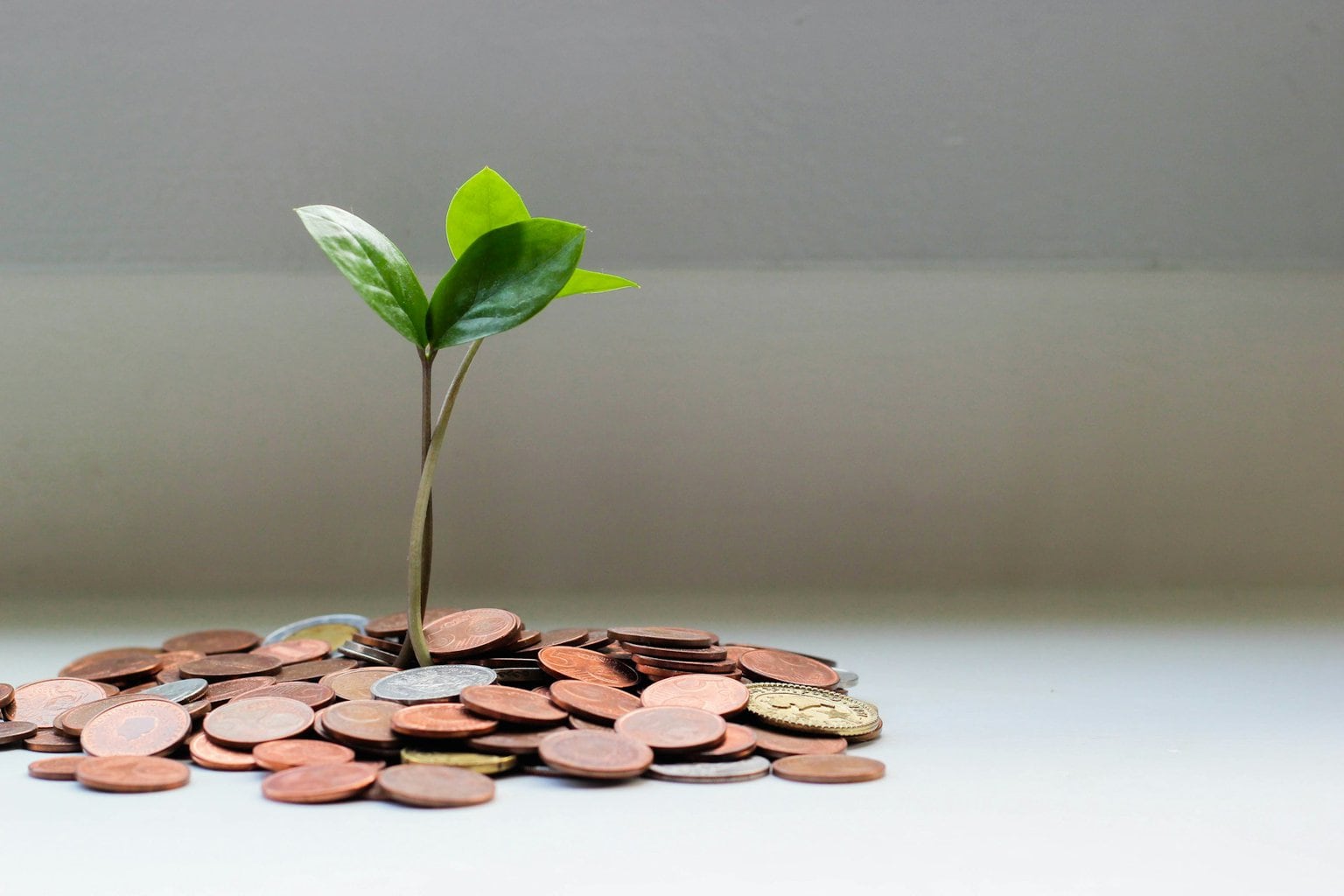
What’s the cost of averting a crisis like climate change?
Early estimates, like the Stern Review from 18 years ago, suggested stabilizing greenhouse gasses would cost 1% of global GDP. That’s if actions are done quickly.
This figure later adjusted to 2%, factoring in anticipated climate damages.
Various reports, including those from the European Commission and the International Energy Agency (IEA), showed similar findings.
The EU Commission aims for a 90% emissions reduction by 2040, showing ambitious targets are feasible.
Recent studies converge on investing 1-3% of GDP to meet Paris Agreement goals, a fraction of global profits.
But some ask, why do we still hesitate when securing our future is actually within reach?
In the broader context, according to experts, dedicating 2% of GDP isn’t just affordable—it’s necessary.
Redefining “affordable” during the climate crisis, in this day and age, is therefore needed.

Lack of urgency
In Southern European cities, the impact of climate change adaptation is evident.
Catalonia, Spain faces stricter water restrictions due to severe droughts, and there are rising concerns about water scarcity before summer.
Barcelona might even have to import water, while Southern Spain’s agriculture is under threat.
People who visited Florence in January have said that rising summer temperatures have made air conditioning (AC) a necessity.

Adaptations like getting more ACs or importing water don’t come cheap. It’s going to be even more challenging for those with fewer resources.
But experts argue that despite the affordability of climate change mitigation efforts, many still don’t feel the urgency. There’s still a feeling of hesitancy to act soon.
Some experts expressed confusion, as responses were different during other crises like financial downturns or pandemics.
Well, to be fair, I personally think that those two examples do need a quicker response. Everything about the climate shouldn’t always be the number one priority when the situation demands it.
But what has been delaying the feeling of urgency, biologists say, is the assumption that someone else will fix it.
Some damages, like the loss of islands due to sea-level rise and extreme weather, defy financial valuation.

Moreover, the planned relocations of low-lying islands like Tuvalu pose ethical dilemmas.
By 2064, all Tuvaluans could be resettled in Australia. Such an act can’t be easily quantified financially and raises questions about fairness.
Critics also argue that the approach is flawed, with its linear approach to global warming resettlement quotas being questionable.
Action based on economic and social case
The urgency to address climate change is crystal clear, experts say.
They regret that, despite allocating money to revive the economy during past financial crises, the investment in tackling the most pressing global issue, the climate crisis, gets neglected.
Experts compare this to the COVID-19 pandemic.
The World Economic Forum (WEF) estimated the global cost of the pandemic at $8 to $16 trillion, while global GDP was approximately $100 trillion. If only preventive measures were in place, we could have avoided the crisis cost by 500 times lower.
Some ecologists and biologists find this concerning. Given the evident signs of ecological distress, there should be more efforts to prevent or mitigate climate crises.
So, they believe that humanity needs a framework for sustainable operations. This way, there could be a collective action towards a cleaner, healthier planet.
Saving the world is actually affordable, experts say. However, what makes it more expensive is due to continued inaction.

But let’s be real… What’s the true cost of going green?
Putting global GDP aside, when it’s tempting to see money as just numbers, one can’t help but ask the cost of going green through the lens of our own lives… and wallets.
As the time goes, more have to decide between what’s good for the planet and what’s good for their pockets. That happens despite the fact that more have become aware of climate change and expressed worry about it.
In the UK, according to the Office for National Statistics (ONS) survey, 75% of adults made changes in 2022 to help the environment. When they did the same survey in 2021, 81% of adults did some changes.
One of the top reasons for this decrease was costs.
Shops which sell environmentally-friendly goods have also noticed fewer customers.

There are a lot of sustainable options available, from plant-based laundry detergents to eco-friendly clothing. So, relatively few consumers attribute their lack of sustainable purchases to the unavailability or scarcity of green alternatives.
Instead, the increasing costs associated with sustainable products are likely becoming unsustainable for consumers facing growing financial pressures.
Financial concerns have recently surpassed COVID-19 as the primary driver of consumer anxiety globally.
This shift is driven by increasing worries about inflation, savings, and credit card debt.
Notably, the decline in sustainable purchases is more pronounced in countries experiencing relatively high inflation rates, such as Spain and Poland.
The rich (ones who live well) vs the not rich (ones who struggle)

Consumers with higher income are more willing to opt for the higher price tags associated with sustainable products.
In 18 of the 20 countries studied by Deloitte, higher-income consumers were more likely to make sustainable purchases.
There’s a notable gap between income groups in several countries. For example, 45% of higher-income consumers purchased sustainable products compared to only 20% among lower-income earners in Japan.
The challenge to be green is harder for lower-income consumers, especially in the current economic climate.
Take the US, for example. The percentage of low-income earners who struggle to meet upcoming payments has been steadily increasing, reaching 45% in 2022.
Meanwhile, this financial metric has remained stable among middle- and high-income earners.
A lot of adjustments in early stages

Understandably, more consumers are prioritizing their personal finances over sustainable shopping.
However, this shouldn’t discourage consumers and businesses alike.
Inflation may highlight the newness of the sustainable product category. When innovation first enters markets, product life cycles tend to follow a predictable path.
Remember when camera mobile phones were really expensive and out of reach for most people?
Decades later, advancements brought prices down to a level that the average consumer could afford.
Bringing green products to market often requires companies to undergo the decades of innovation that made traditional products cheap in the first place, whether in materials, manufacturing processes, packaging, or global supply chains.

So, other experts believe that the recent decline in sustainable shopping should encourage consumer companies to look ahead with optimism.
If people are buying fewer sustainable products due to financial strain, it means they’re reluctantly purchasing traditional items. They actually know conventional items are not the best for the planet–that indicates an opportunity.
So what should we do then, in the meantime?
Well, I for one, can’t say that I’m a consumer who overlooks higher-price sustainable choices when making purchases.
Due to its early stages, most companies are also still struggling with making such products more affordable.
One can always save money to purchase eco-friendly alternatives, of course.
But I personally believe that balance is important: doing our part whenever possible, but when we can’t, then it’s not the immediate end of the world.
And finding that balance includes how we spend money to help save the planet.
Sources:
https://www.bbc.com/news/newsbeat-63648143
Leave a Reply