


If you’re looking for a way to reduce your environmental impact while still maintaining the aesthetic of your property, look no further! Tackling litter and clutter reduction is critical in creating healthier planet practices.
Fortunately, there are six eco-conscious methods for sorting through messes on any property. From composting to finding sun exposure solutions, these tips will help clear out the waste and make room for progress all without damaging our fragile Earth.
Keep reading to learn more about simple yet powerful ways that boost cleanliness while conserving energy and resources!
Repurpose and Reuse: Creative Recycling

As we become more conscious of the impact that waste has on our environment, repurposing and reusing materials has become increasingly popular. Recycling is no longer limited to just separating paper from plastics, as people are finding new and creative ways to give new life to old items.
When it comes to cars, companies who buy junk cars in Toledo, Miami, and beyond are promoting recycling through repurposing. Rather than letting old vehicles sit in a junkyard or landfills, these companies are finding ways to salvage usable parts and recycle materials to minimize waste.
By breathing new life into discarded cars, they are playing a crucial role in reducing environmental damage.
Eco-Friendly Cleaning and Organizing: Green and Clean

Embracing eco-friendly cleaning and organizing methods is another surefire way to enhance the environmental friendliness of your property. Opt for natural and biodegradable cleaning products that are free from harsh chemicals, thus protecting the environment and your health.
These products are made from renewable resources and are just as effective in maintaining cleanliness.
When it comes to organizing, consider using storage solutions made from recycled or sustainable materials.
This could be anything from cardboard boxes to baskets woven from natural fibers. Furthermore, adopting a minimalist approach to possessions can reduce the amount of clutter in the home, meaning fewer items that could potentially end up in the landfill.
By adopting these eco-friendly cleaning and organizing methods, you’re not only creating a cleaner, less cluttered space but also contributing to the preservation of our planet.
Minimalism: Embracing a Simpler Lifestyle

Adopting a minimalist lifestyle is yet another eco-conscious way to clear your property and reduce your environmental footprint. Beyond decluttering and organization, minimalism encourages thoughtful consumption, which means only buying what you truly need.
This approach not only keeps your living spaces clear and serene but also significantly reduces the amount of waste generated. Additionally, minimalism often involves purchasing quality over quantity, which in turn reduces the frequency of replacement and the resulting waste.
By embracing a simpler, less materialistic lifestyle, you’re not only benefiting your mental well-being but also making a substantial contribution to environmental conservation. To get started, try decluttering one room at a time and evaluating each item’s purpose before bringing it into your home.
This will help you make more conscious purchasing decisions in the future.
Sustainable Storage Solutions: An Eco-friendly Approach

In the journey towards an eco-conscious lifestyle, sustainable storage solutions play a crucial role. It’s not just about organizing your possessions, but also about making responsible choices that reduce your environmental footprint.
Consider storage options made from recycled, upcycled, or sustainable materials such as bamboo or reclaimed wood. Not only do these materials look great, but they also have a low impact on our planet.
Examples of sustainable storage could include wooden crates, wicker baskets, or recycled plastic containers.
Moreover, looking at the bigger picture, sustainable storage also implies a shift towards digital solutions wherever possible. Opt for e-documents, online subscriptions, and digital backups to eliminate physical clutter and reduce paper waste.
By mindfully selecting your storage solutions, you can contribute significantly to sustainability while maintaining a clutter-free, aesthetically pleasing environment. Remember, every small step towards sustainability makes a large difference in the long run.
Green Landscaping: Reducing Yard Waste
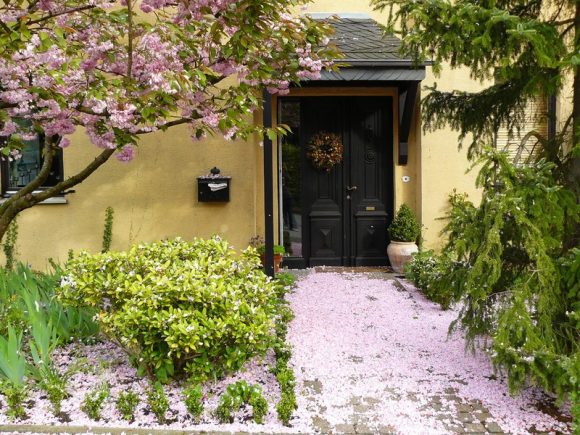
Green landscaping, often referred to as eco-landscaping or sustainable gardening, is a method that reduces yard waste and contributes to the preservation of the environment. This approach encourages the use of native plants that require less water and are more resistant to local pests, reducing the need for harmful chemical pesticides and fertilizers.
You can also incorporate composting into your green landscaping efforts. Composting yard waste, like grass clippings and fallen leaves, not only reduces the volume of waste heading to the landfill but also enriches your soil naturally, promoting healthier plant growth.
Another effective way to reduce yard waste is through grasscycling – leaving grass clippings on the lawn after mowing. This practice returns essential nutrients to the soil, reducing the need for synthetic fertilizers.
Moreover, consider implementing rainwater harvesting systems to irrigate your plants, saving water and cutting down on utility bills. Implementing these green landscaping strategies helps create a sustainable outdoor space that is both aesthetically pleasing and environmentally conscious.
Composting for Organic Waste Reduction: An Earth-friendly Solution

Composting is a fantastic and earth-friendly method for managing organic waste. It involves the biological decomposition of organic materials by microorganisms, which results in a nutrient-rich soil conditioner known as compost. Composting not only reduces the amount of waste sent to landfills but also enriches your garden soil, helping plants to thrive.
Kitchen scraps such as fruit peels, coffee grounds, and vegetable waste are perfect for composting. Yard waste like leaves, grass clippings, and plant trimmings can also be composted. However, you should avoid composting meat, dairy products, and diseased plants as these can attract pests or create unpleasant odors.
Starting a compost pile in your backyard is relatively straightforward. Choose a dry and shaded spot near a water source, and start your pile on bare ground. Layer your compost pile with a mix of greens (kitchen scraps) and browns (yard waste), adding water to keep it damp.
Turn the compost pile every few weeks with a pitchfork to help speed up the decomposition process. In conclusion, incorporating environmentally friendly cleaning, organizing, and lifestyle practices into your daily routine not only benefits the planet but also creates a healthier and more aesthetically pleasing living environment for you.
By implementing these small changes, we can collectively make a big impact in preserving our planet for future generations. So let’s all do our part in embracing sustainable living!
Leave a Reply