


Plastic waste is a serious environmental problem. By converting plastic bottles into vanillin, the main ingredient in vanilla flavoring, researchers have shown that plastic can be reused in innovative and valuable ways.
Every year, millions of tons of plastic end up in landfills, rivers, and oceans. Plastic pollution harms wildlife, damages ecosystems, and contributes to climate change.
Scientists around the world are working on new ways to recycle plastic and reduce waste. One surprising new discovery comes from researchers in Scotland, who have found a way to turn used plastic into vanilla flavoring.
This discovery could help make recycling more useful while also reducing the need for fossil fuels in food production. Even though many people may find the idea of making food ingredients from plastic strange or even unappetizing, scientists believe this method could be an important step toward solving the plastic waste crisis.
This could help reduce plastic pollution while also benefiting industries that rely on vanillin, such as food, cosmetics, and pharmaceuticals. Interested? Let’s talk more about this.
How Scientists Turn Plastic into Vanilla
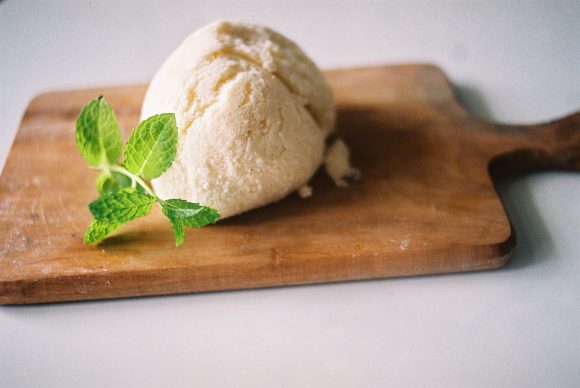
Vanilla flavoring comes from a chemical compound called vanillin, which gives vanilla its sweet smell and taste. Vanillin is found naturally in vanilla beans, but it can also be made synthetically in laboratories.
Since the demand for vanilla flavoring is very high, most of the world’s vanillin is made using petroleum-based chemicals instead of real vanilla beans. This allows industries to produce large amounts of vanilla flavoring at a lower cost.
Scientists from the University of Edinburgh in Scotland have discovered a new way to make vanillin without using fossil fuels. Instead, they use plastic bottles, which are made from a material called polyethylene terephthalate (PET).
PET is commonly used in water bottles, soda bottles, and food containers. Instead of throwing these plastic bottles away, the researchers found a way to transform them into something useful.
The process begins by breaking down PET plastic into its basic chemical parts. Scientists use special enzymes to break the plastic into terephthalic acid (TA), one of the building blocks of PET. Then, they introduce genetically modified E. coli bacteria that convert TA into vanillin through a process similar to brewing beer.
The scientists successfully converted 79% of the plastic-derived TA into vanillin. They believe that with further improvements, they can increase this percentage and even create other useful chemicals from plastic waste. This process shows that plastic does not have to be waste—it can be a valuable resource.
Why This Discovery Is Important
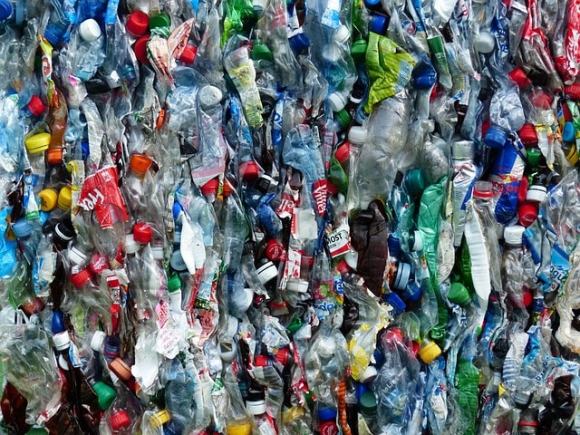
The ability to turn plastic into vanillin is an exciting scientific breakthrough. It could help address several environmental problems, including plastic pollution, fossil fuel dependence, and deforestation.
One of the biggest benefits of this discovery is that it provides a new use for recycled plastic. Plastic waste is a growing problem, and many types of plastic are difficult to recycle. Finding ways to turn plastic into valuable products could encourage more people and businesses to recycle.
If plastic waste can be converted into useful materials, it could help reduce the amount of plastic that ends up in landfills and the ocean. Another major benefit is that this process reduces reliance on fossil fuels. Currently, most synthetic vanillin is made from crude oil, which is a non-renewable resource.
By producing vanillin from plastic instead of petroleum, industries can lower their dependence on fossil fuels, making food production more sustainable. This could also help reduce greenhouse gas emissions, which contribute to climate change.
This method could also help protect forests and ecosystems. Natural vanilla beans come from vanilla plants, which are mostly grown in Madagascar. However, growing enough vanilla to meet global demand would require clearing large areas of forest.
This could lead to deforestation and loss of biodiversity. By creating vanillin from plastic, scientists can help preserve natural habitats and reduce the need for industrial farming of vanilla plants.
Possibilities

Although this discovery is promising, there are still challenges to overcome before plastic-based vanillin can be used in food products. One of the biggest concerns is safety. Scientists need to make sure that the vanillin produced from plastic is safe for human consumption. It must go through strict testing and approval processes before it can be sold as a food ingredient.
Another challenge is scalability. Right now, the process is still in the research phase. To make a real impact, factories must be able to convert large amounts of plastic into vanillin efficiently and cost-effectively. Scientists are continuing to work on improving the process and exploring other chemicals that can be made from plastic waste.
This is not the first time researchers have explored alternative sources of vanillin. In Norway, the company Borregaard has been making vanillin from wood-based materials since 1962. Their process has been found to produce 90% fewer greenhouse gas emissions compared to petroleum-based vanillin.
This shows that sustainable alternatives for making vanillin already exist, and plastic-based vanillin could be another promising option. Scientists are also exploring ways to turn plastic waste into other useful products.
In addition to food ingredients, plastic could potentially be used to create perfumes, cleaning products, and even medicines. The idea of upcycling plastic into high-value products is gaining interest around the world, as researchers look for creative ways to tackle plastic pollution.
Can Recycling Plastic Make a Difference?
Turning plastic into vanillin is an example of upcycling, where waste materials are turned into higher-value products. This could make recycling more attractive and encourage people to recycle more. However, recycling alone is not enough to solve the plastic pollution crisis.
To make a real impact, governments, businesses, and consumers must work together to reduce plastic use, improve waste management, and develop sustainable packaging alternatives. People can help by choosing reusable products, avoiding single-use plastics, and supporting companies that use sustainable materials.
Many experts believe that while recycling is important, reducing plastic production is even more important. Companies should focus on using biodegradable materials and finding eco-friendly alternatives to plastic packaging. Consumers can also make a difference by choosing products with minimal packaging and supporting brands that prioritize sustainability.
Although turning plastic into vanilla flavoring will not completely solve the plastic waste problem, it is an innovative step toward a more sustainable future. If scientists can refine this process and make it widely available, plastic-based vanilla flavoring could become a reality—helping both the environment and the food industry at the same time.
Sources:
Leave a Reply