

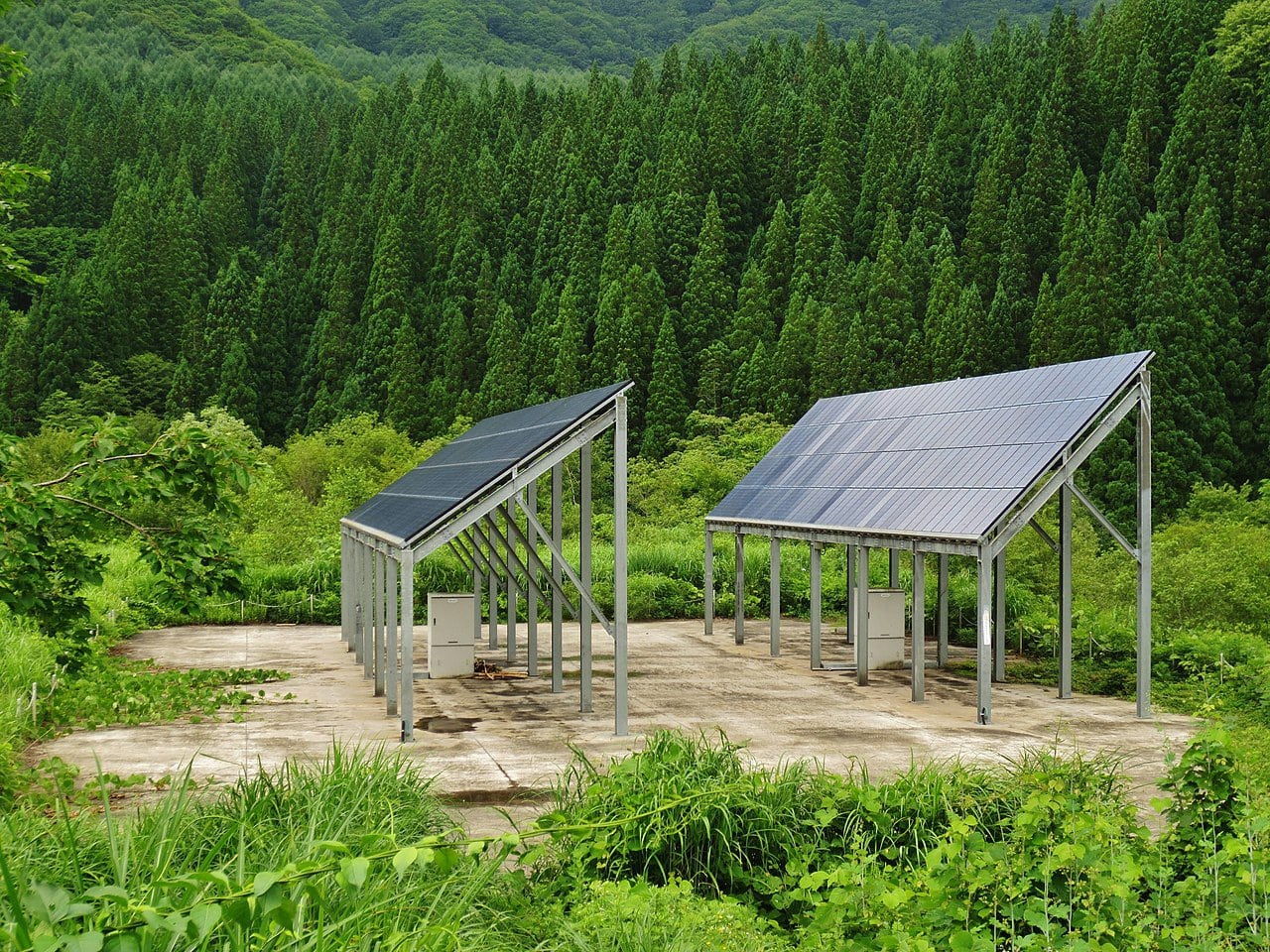
In recent years, solar energy has emerged as a front-runner in the race towards sustainable energy solutions. Its growing popularity is a testament to the world’s increasing commitment to renewable energy sources.
However, despite its rising prominence, solar energy is often shrouded in misconceptions and myths. This blog aims to cut through the noise and debunk some of the most common myths surrounding solar energy, providing you with clear, factual information to help you make informed decisions about this vital energy source.
Let’s dive in and separate fact from fiction.
Myth #1: Solar Panels Don’t Work in Cold or Cloudy Climates

The Misconception: A common misconception is that solar panels require hot, sunny weather to be effective, leading to the belief that they are not suitable for cold or cloudy climates.
The Reality: Solar panels convert light, not heat, into energy. In fact, solar panels can perform more efficiently in cooler temperatures. Excessive heat can actually reduce the efficiency of solar panels.
Cloud cover does impact solar energy production, but it doesn’t halt it. Modern solar panels are designed to capture different spectrums of light, meaning they can still generate power even on cloudy days.
Facts and Data:
- Solar panels are often more efficient in cooler temperatures. A study by the National Renewable Energy Laboratory (NREL) found that solar panels’ efficiency decreases by about 0.5% for every 1 degree Celsius increase above 25 degrees Celsius (77 degrees Fahrenheit).
- Germany, a country known for its cloudy weather, is a world leader in solar energy. Despite having fewer average sunlight hours than many other countries, it has successfully harnessed solar power due to efficient technology and favorable energy policies.
- Alaska, known for its harsh winters, has seen successful solar installations. In Fairbanks, solar panels capture summer’s almost continuous daylight, storing excess energy for use during darker months.
Solar panels are a viable source of renewable energy in a variety of climates, including those that are cold and cloudy. This myth stems from a misunderstanding of how solar technology works and overlooks the advancements made in solar panel efficiency and energy storage.
Myth #2: Solar Energy is Too Expensive
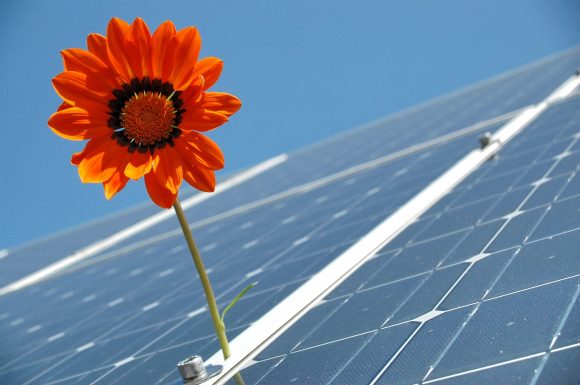
The Misconception: A prevalent belief is that solar energy is prohibitively expensive, making it an unrealistic option for many households and businesses.
The Reality: The cost of solar energy has been steadily decreasing, making it more accessible than ever. Advances in technology and increased market competition have driven down the prices of solar panels and systems significantly over the past decade, providing financial benefits to homeowners.
Declining Costs:
- According to data from the Solar Energy Industries Association (SEIA), the cost of solar has dropped by more than 70% since 2010. This trend is expected to continue as technologies improve and production scales up.
- The average price of a residential solar panel system has become increasingly affordable, making it a competitive alternative to traditional energy sources.
Government Incentives and Rebates:
- Many governments worldwide offer incentives and rebates to encourage solar energy adoption. These can significantly offset the initial installation costs.
- Tax credits, rebates, and solar renewable energy certificates (SRECs) are common forms of incentives that can lead to substantial savings for solar panel users.
Long-Term Savings:
- Solar energy systems can lead to significant reductions in monthly energy bills. Over time, these savings can surpass the initial cost of installation.
- The lifespan of a solar panel system, often 25-30 years, ensures long-term savings. Additionally, solar panels typically require minimal maintenance, adding to the cost-effectiveness.
In summary, while the initial investment in solar energy may seem substantial, the rapidly decreasing costs, coupled with government incentives and long-term savings on energy bills, make solar power an increasingly economical choice. The notion that solar energy is too expensive is outdated and does not reflect the current economic reality of solar technology.
Myth #3: Solar Panels Require a Lot of Maintenance

The Misconception: It’s often assumed that solar panels demand extensive and frequent maintenance, making them a hassle for homeowners and businesses.
The Reality: Solar panels are remarkably low-maintenance, especially when compared to other energy generation methods.
Minimal Maintenance Needs:
- Solar panels typically require just basic cleaning to remove any dust, leaves, or other debris. This can be as infrequent as once or twice a year, depending on the location.
- They are designed to withstand various weather conditions, from heavy rain to snow, further reducing the need for regular upkeep.
- Most solar panel systems have no moving parts, which is a key factor in their minimal maintenance requirements. This design significantly reduces the chances of breakdowns and the need for repairs.
Comparison with Other Energy Sources:
- Traditional energy systems, such as those based on fossil fuels, involve complex machinery with numerous moving parts. These systems require regular, often costly, maintenance and are more prone to mechanical failures.
- Renewable energy sources like wind turbines also have moving parts (like blades and rotors), which necessitate more frequent checks and maintenance to ensure optimal performance.
Myth #4: Solar Panels Will Damage Your Roof

The Misconception: A widespread concern is that installing solar panels will lead to roof damage, compromising the integrity of one’s home or building.
The Reality: When installed correctly, solar panels do not damage your roof. In fact, they can offer some protection to the area they cover.
Installation Process and Roof Protection:
- Professional installation is key. Qualified installers assess the condition of your roof before installation to ensure it can support the panels.
- Solar panels are typically mounted on a racking system that is securely attached to the roof. This system is designed to distribute the weight evenly, preventing any undue stress on the roof structure.
- Installers also ensure that the roof is properly sealed and protected against the elements. This includes using durable mounting hardware and sealants to prevent leaks.
Tips for Ensuring Proper Installation:
- Choose a certified and experienced solar installer. Look for certifications from recognized industry organizations.
- Ensure the installer conducts a thorough assessment of your roof’s condition. Any necessary repairs should be made before installation.
- Understand the Warranty: Be clear about the warranty offered, both for the solar panels and any potential impact on your existing roof warranty.
- After installation, have periodic inspections to ensure the integrity of both the solar panels and the roof.
Myth #5: Solar Energy Can’t Power a Home Entirely
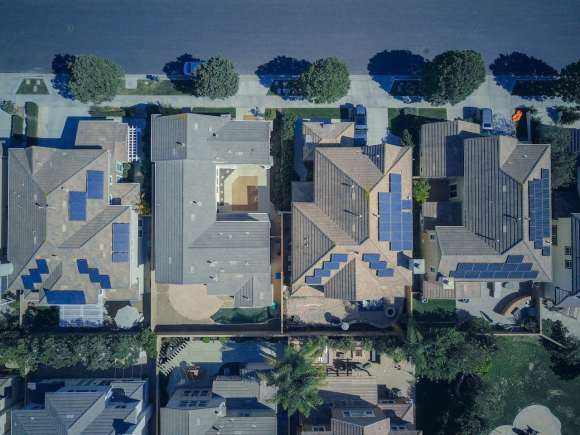
The Misconception: A prevalent myth is that solar energy systems are incapable of fully powering a home, necessitating reliance on traditional power grids.
The Reality: Modern solar energy systems, when properly sized and equipped with adequate storage solutions, can indeed power a home entirely.
Achieving Complete Solar Power:
- Proper Sizing: The key to a fully solar-powered home is in the sizing of the solar panel system. It must be large enough to meet the total energy needs of the household.
- Energy Storage: Solar batteries play a crucial role. They store excess energy generated during sunny periods, which can then be used at night or during cloudy days.
- Energy Efficiency: Enhancing a home’s energy efficiency reduces overall energy consumption, making it easier for a solar system to meet all energy needs.
With advancements in solar technology and energy storage, it is entirely feasible for homes to be powered exclusively by solar energy, reducing reliance on traditional power grids and fostering a more sustainable lifestyle.
Conclusion

We’ve highlighted the efficiency, affordability, and practicality of solar panels as a renewable energy source. From their ability to function effectively in various climates, including cold and cloudy conditions, to their surprisingly low maintenance needs and the potential to fully power homes, solar energy stands out as a robust and viable option for modern energy needs.
The declining costs of solar installations, coupled with government incentives and the long-term savings on energy bills, make solar energy an increasingly economical choice. Moreover, the minimal maintenance requirements and the negligible impact on roof integrity further enhance its appeal.
Solar energy is not just a concept for the future; it’s a practical solution for today. It offers a sustainable, cost-effective, and reliable energy source, aligning with the growing global emphasis on environmental responsibility and renewable energy.
We encourage readers to look beyond the myths and consider the tangible benefits of solar energy. Further research and consultation with solar energy experts can provide deeper insights and personalized assessments, paving the way for an informed decision about adopting solar power in your own life.
The potential of solar energy is vast, and its role in shaping a sustainable future is undeniable.
Leave a Reply